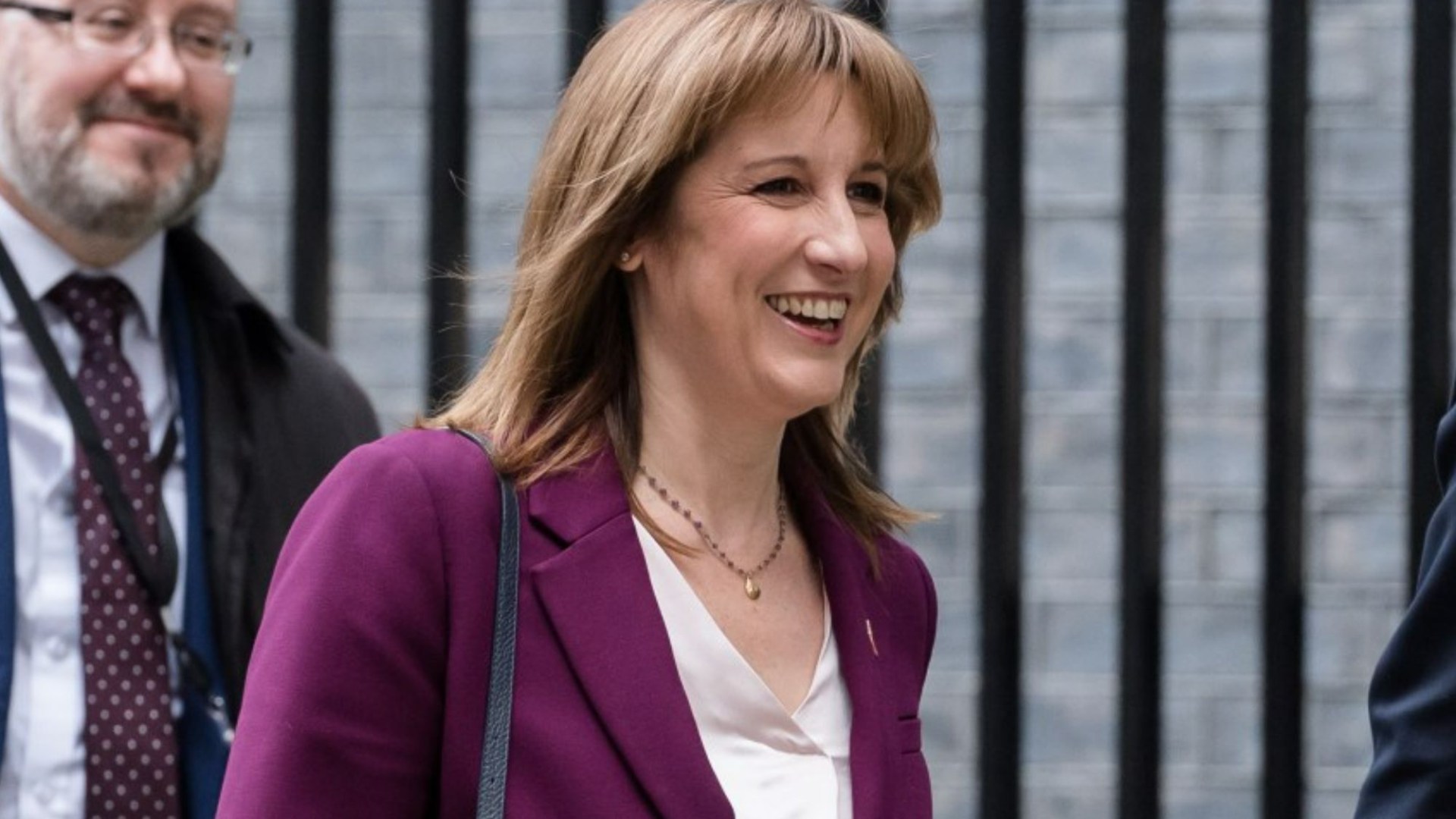
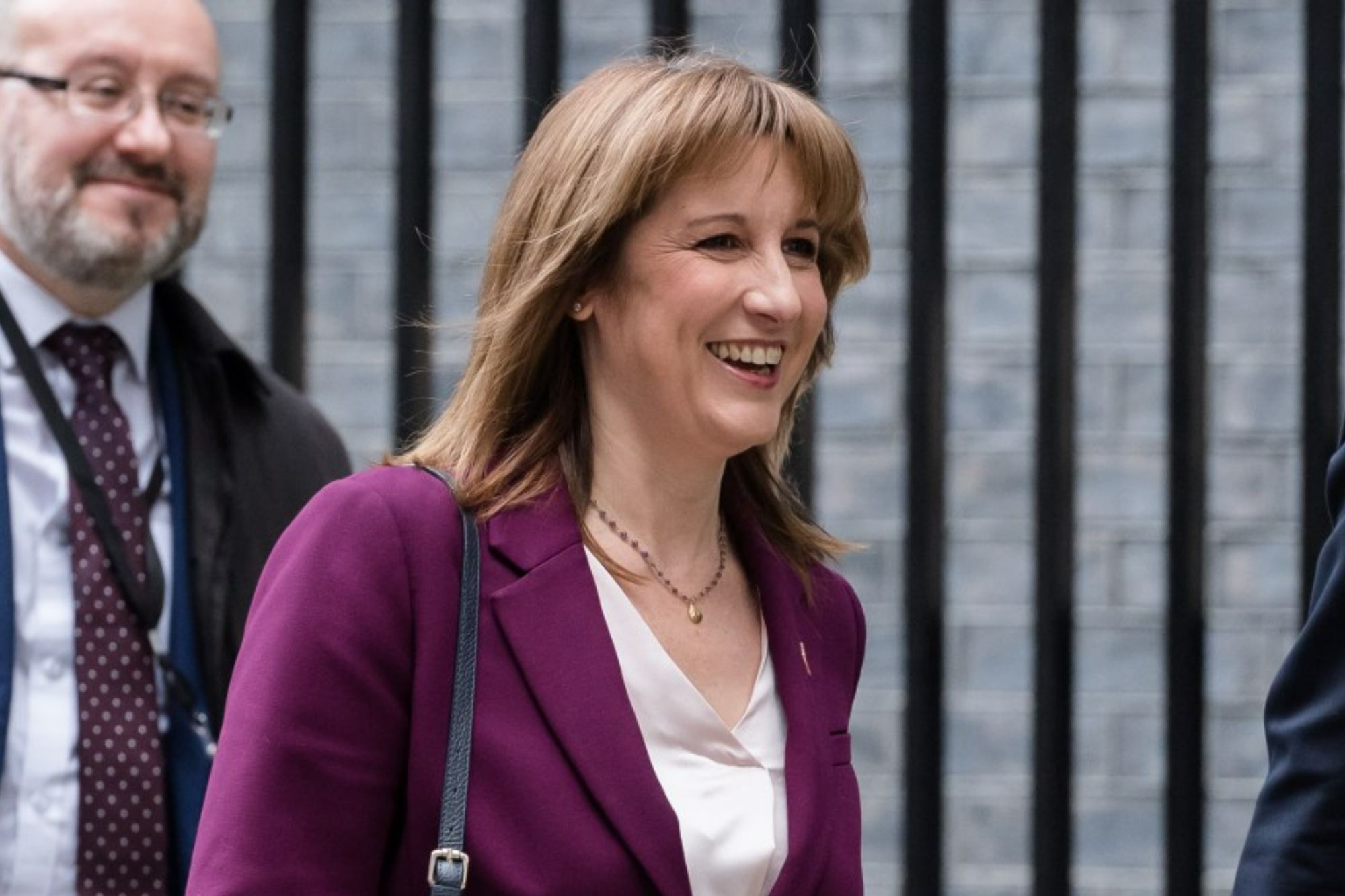
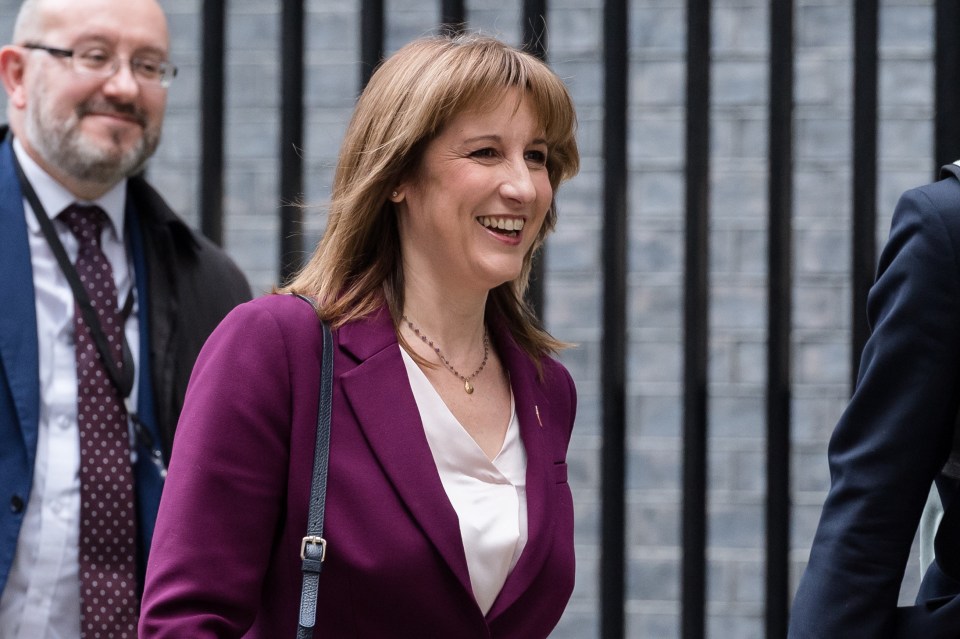
RACHEL Reeves has axed plans to raise income tax at the Budget, it has been reported.
The Chancellor was expected to hike income tax in a breach of her manifesto commitment to help plug the nation’s finances.
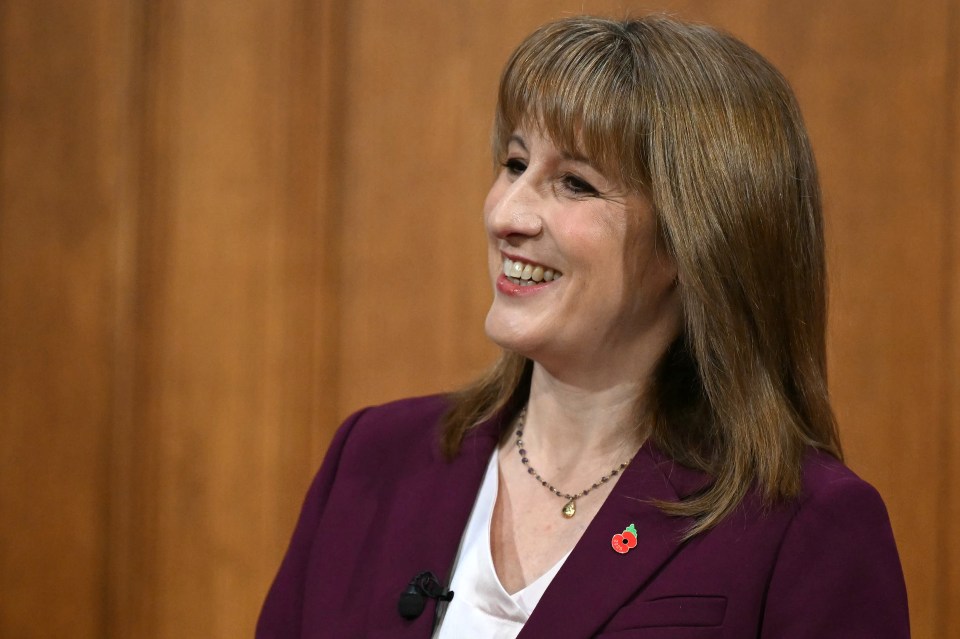
But it is understood she has now ditched those plans amid fears it could alienate voters and backbench Labour MPs, as reported by the Financial Times.
The move was relayed to the Office for Budget Responsibility on Wednesday.
Ms Reeves submitted a list of “major measures” to be included in her Budget on November 26, according to the FT.
But just last week, the Chancellor held an unusual pre-budget speech, warning “each must do our bit”.

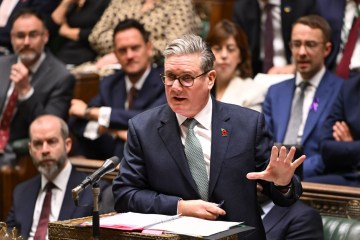
She had refused to rule out a rise to income tax, VAT or National Insurance – the three biggest taxes paid by working people.
The Institute for Fiscal Studies has estimated that Ms Reeves needs to find £22billion of tax rises or spending cuts to meet her self-imposed fiscal rules.
Experts previously predicted the Chancellor would try to amend the fiscal damage by increasing income tax by 2p.
If an increase was to be confirmed in her statement on November 26, she would become the first Chancellor to make the change since the 1970s.
Income tax is paid at different rates depending on how much you earn.
Other measures Reeves is reportedly considering include a 2p cut to National Insurance Contributions for workers earning less than £50,270.
This means workers on the basic rate of income tax would not necessarily lose out on pay, as the income tax rise would be offset by the NI cut.
But pensioners, who don’t pay National Insurance, would take a huge hit to their savings.
For an average pensioner who has an annual taxable income of £19,023, they would pay £380 more in tax every year, according to analysis of HMRC data by consultancy LCP.
Meanwhile, millions more retirees face income tax on their savings due to frozen tax thresholds.
Tax bands were originally frozen by the Tory government in April 2021.
The freeze is due to end in 2028, but the Chancellor is said to be considering extending them by up to two years.


Meanwhile, Reeves has also given a hint she may scrap the two-child benefit cap.
Experts are also expecting a a raft of potential changes for drivers including a fuel duty increase.
What is the Budget?
THE Budget is big news and where you’ll often hear announcements about taxes. But what exactly is it?
The Budget is when the Government outlines its plans for the economy including taxation and spending.
The Chancellor of the Exchequer delivers a speech in the House of Commons and announces plans for things like tax hikes, cuts and changes to Universal Credit and the minimum wage.
At the same time, the Office for Budget Responsibility (OBR) publishes an independent analysis of the UK economy.
Usually, the Budget is a once-a-year event and usually takes place in the Autumn, with a smaller update known as the Spring Statement.
But there have been exceptions in recent years when there have been more updates, or the announcements have taken place at different times, for example during the pandemic or when there is a General Election.
On the day of the Budget, usually a Wednesday, the Chancellor is photographed outside No 11 Downing Street with the red box.
She then heads to the House of Commons to deliver her speech, at around 12.30 following Prime Minister’s Questions (PMQs).
Changes announced in the Budget are sometimes implemented the same day, while others may not have a set date.
For example, a change to tobacco duty usually happens on the same day, pushing up the price of cigarettes.
Some tax changes are set to come in at the start of a new tax year, which is April 6.
Other changes may need to pass through Parliament before coming into law.
More to follow… For the latest news on this story keep checking back at The Sun Online
Thesun.co.uk is your go-to destination for the best celebrity news, real-life stories, jaw-dropping pictures and must-see video.
Like us on Facebook at www.facebook.com/thesun and follow us from our main Twitter account at @TheSun.