THE RAC has revealed the fastest way to defrost your car windshield – and how to prevent it fogging up in the first place.
Driving with a misty windscreen will impede your vision and can be dangerous – and it is also illegal, so making sure you demist it before hitting the road is essential.
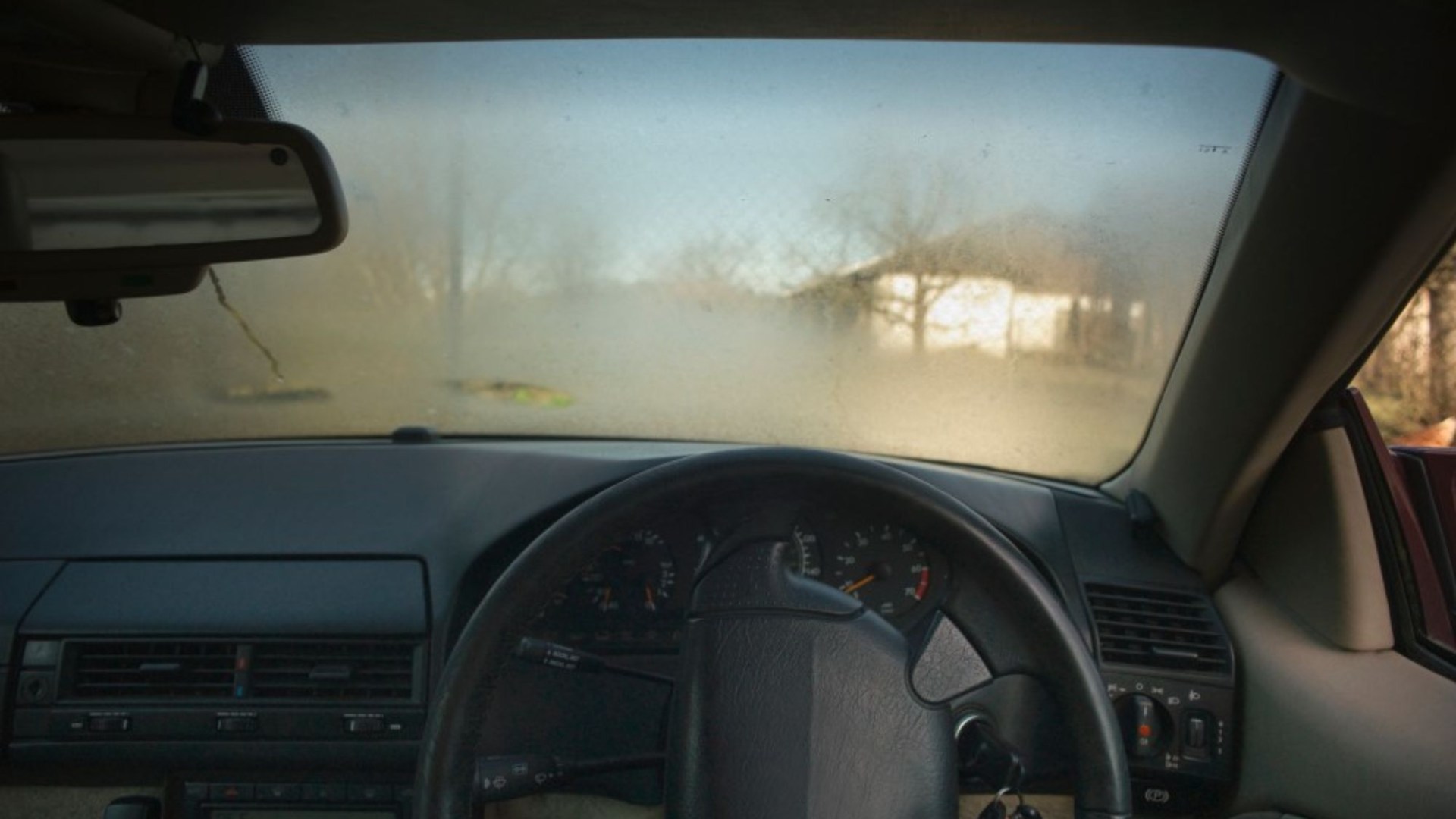
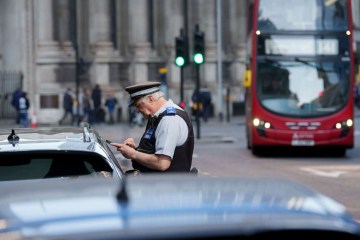
Water vapour in the atmosphere is the cause of your car windscreen misting up which occurs when your body heats the air inside the cabin, along with your breath, increasing the amount of moisture it can hold.
When it comes into contact with your windscreen it cools and condenses, forming a mist that can cause problems for driving in winter.
To help solve the problem, the motoring experts at the RAC have come up with a simple way to defrost your car windshield as quickly as possible.
Use the heater to de-mist the front windscreen
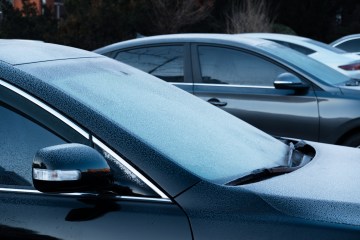
Initially, start the heater off on cold, then slowly increase the temperature as the air dries out, rather than overloading the cabin with hot, ‘wet’ air.
Try to find a temperature and humidity that’s comfortable but doesn’t mist up the cabin.
Make sure your heater’s blast is directed at the windscreen and the windows – the warmer air (even on cold the air will be warmer than the ice cold windscreen) will dry the glass a little through evaporation and begin to heat up the glass to stop the water vapour condensing on it again.
Don’t set off until all glass surfaces are completely clear.
It’s dangerous and illegal if visibility is impeded.
How to use the air-con to de-mist the front windscreen
If your motor has air conditioning, switch it on.
Use the air con in conjunction with the heater.
Hot air will dry the glass a little through evaporation, but the air will then cool down and condense on the glass once more, so make sure the air-con is on to keep the atmosphere inside dry.
If your windscreen is iced over, then the heat is obviously more necessary.
But in this instance you might want to scrape the outside of your windscreen clear first.
How to de-mist your car using the windows
If your car doesn’t have a climate control system, then having your windows down could actually help clear the windscreen faster.
This helps because the dry, cold air from outside can help reduce the amount of water vapour inside the car, stopping the screen misting up.
Then you can begin to warm the car up gradually to a temperature that suits you after you have cleared the windscreen.
This is also good to know if your windows start to mist up while you are out on the road.
If the misting clouds too much of your vision you should pull over where safe to do so and wait for your windows to clear.
Use your climate control system
If you do have a nifty climate control system, use it.
There’ll more than likely be a setting for demisting the windscreen, which will automatically adjust the ventilation system’s parameters to achieve the best results.
Windscreen life hack
Keeping your windscreen clean will go a long way to stopping it misting up in the first place.
A handy tip to go the extra mile is to actually clean your windscreen with shaving foam.
This protective barrier won’t last forever and may need to be repeated regularly, but a windscreen cleaned with shaving foam will be less likely to mist up.
It’s a little trick ice hockey players use to stop their face masks from steaming up when they’re on the ice.
How to clean your windscreen with shaving foam
Take a clean towel and place a dollop of shaving foam onto it.
Wipe the windscreen with the towel, spreading the shaving foam over the entire surface.
Then take another clean towel and wipe off the shaving foam completely.
This protective barrier should help stop your windscreen from misting up, but it will need to be regularly reapplied to continue to work.
How to fix a car that won’t demist
If your car won’t demist properly, then it could be the result of several issues – primarily problems with the air conditioning and temperature.
The best course of action is to turn your heater on the highest setting and blow the air towards the windscreen.
Ensure that the air conditioning is on, but recirculation is off.
If this doesn’t work, then you’ll need to visit your local garage.
They will need to check for airflow and filter issues – as well as if there are any blockages in the vents.
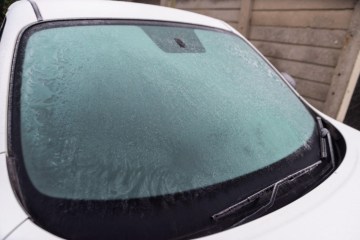

Other problems include a broken heater or internal thermostat.
In some cases, it may just need coolant added to the system.