Britain has built a governing system in which officials exercise immense power yet face no consequences. Could that be about to change?
One of the more corrosive features of life in Britain in 2026 is is the widening gap between the actions of the state and the interests of the public it exists to serve. Across the civil service and wider public sector, decisions are routinely taken that impose serious fiscal and social costs on the public, yet those responsible face little scrutiny and almost no accountability.
Nowhere is this more evident than in our migration policy, where the state has knowingly placed those with hugely elevated risk profiles among us, despite repeated warnings about the obvious consequences. The consequences are now so commonplace as to barely need naming.
Yer despite how obvious and avoidable these harms were, those who design, plan and implement these policies are are seldom named, will never be held accountable, or even lose their jobs for causing such horror. Political leaders, meanwhile, have consistently appeared reluctant either to challenge the assumptions that underpin it or to impose meaningful consequences on those who administer it.
Which is why it was so cheering that in December, Reform announced that once in government they will create a new criminal offence of “dishonestly determining an asylum claim” in order to “prosecute civil servants who knowingly grant asylum to foreign sex offenders”. Those who abuse their office to put us all at risk must face justice.
I can reveal that Reform have gone further. Responding to revelations that the state has been quietly repatriating ‘Isis brides’ from Syria, Reform UK’s Head of Policy Zia Yusuf told me that “under Reform, civil servants who’ve allowed dangerous terrorists into the country will be dismissed and will be liable for prosecution”. He also made it clear that “dangerous terrorists and their supporters who left Britain to support Islamic state should have their citizenship revoked and not be allowed to return. We will leave the ECHR and change the law to stop this happening”.
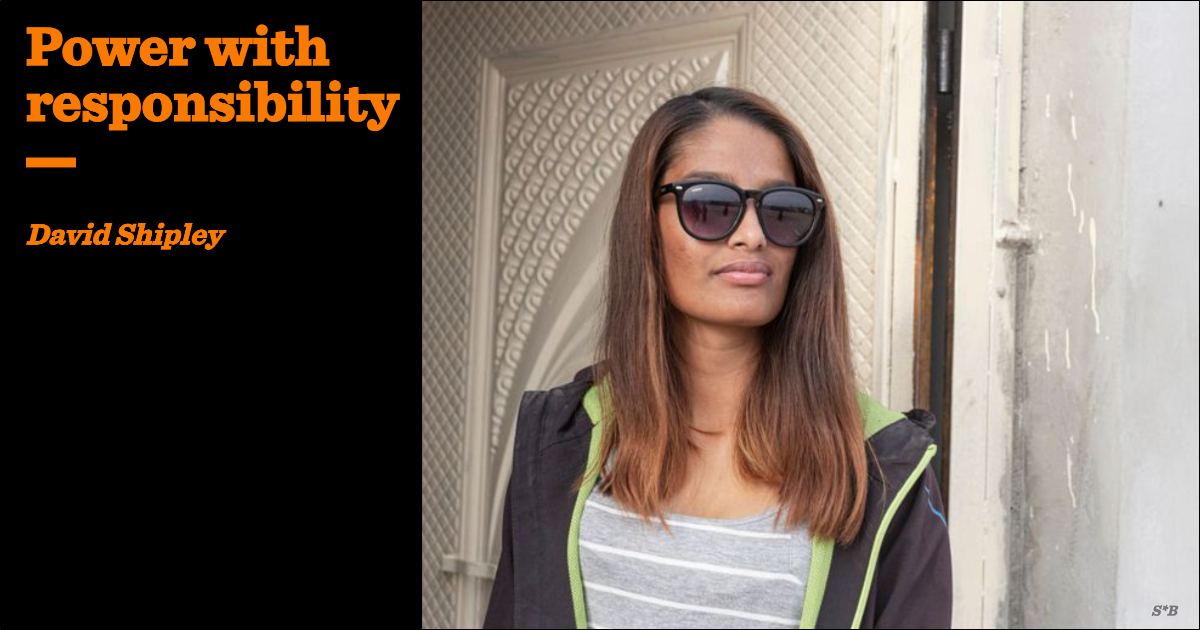
This is very welcome news. Since the collapse of Islamic State, around 62,000 jihadists and terrorists sworn to Islamic State, along with their children, have been held as prisoners in camps across Eastern Syria. Amongst them are around sixty people who hold — or held — British citizenship, including the infamous Shamima Begum. The Kurds are staunch enemies of Islamic State, and would have kept these people prisoner, but now the new Syrian government’s forces are pushing East, and fighting has been reported around the camps. The risk is that Shamima Begum, and others like her, could escape in the chaos — as could their Islamic State husbands.
This news has produced predictable outpourings of pathological empathy, with Mary Foa, the CEO of Reprieve complaining that “Abandoning British men, women and children in dangerously unstable prison camps was always an unsustainable and indefensibly weak approach”. Dominic Grieve, the former attorney general, said: “In our report, we made clear that she is the responsibility of the UK. At the end of the day, we are going to have to shoulder that responsibility”.
Foa and Grieve are, of course, wrong. Islamic State was a regime of astonishing evil. Those men and women who left our islands to join that nation were, and are hostis humani generis; they rejected any claim they might have had to British citizenship (possibly even their humanity) when they joined Islamic State, and they should never be allowed to cross our borders again.
Instead, our state is quietly bringing Islamic State “wives and children” to this country. In due course this will allow their husbands to apply to enter on the grounds of protecting their ECHR Article 8 (family life) rights. Unbelievably, there is precedent here. In 2021 the Special Immigration Appeals Commission found that an Iraqi with links to Iranian intelligence services should be allowed to enter the UK in order to challenge the removal of his citizenship because his wife and children acted as a “jurisdictional peg”.
We cannot trust our civil servants or judiciary in these matters. Unchallenged, they will quietly bring dangerous people here who loathe our nation, an enemy within who make us all less safe.
In this context, Reform’s announcement is both good news, and very important. Every civil servant, indeed every judge and politician must realise that come 2029, and a Reform government, that actions have consequences. Perhaps that will cause them to pause, and think again about where their — and more importantly our — interests lie.