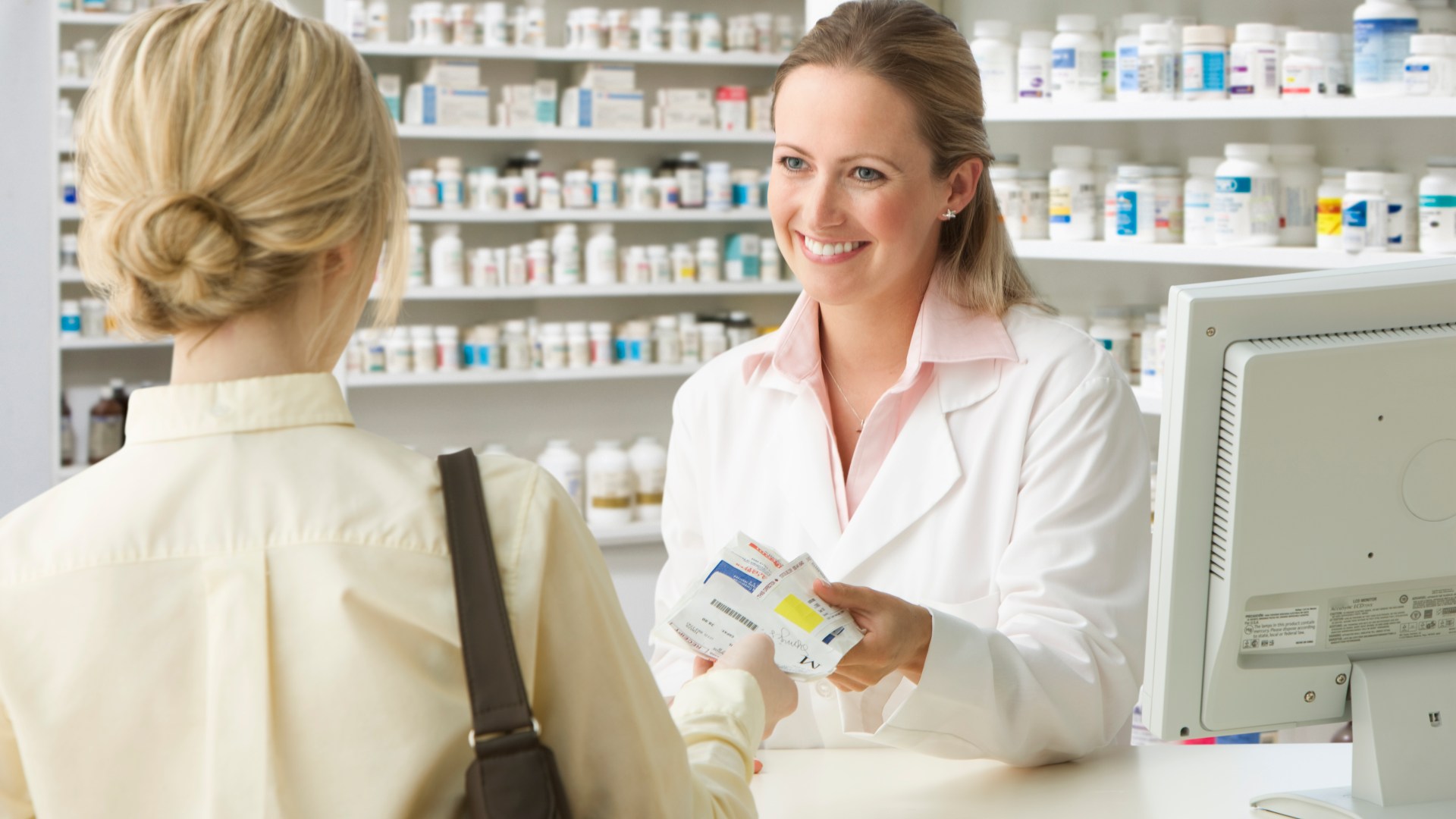
BRITS will be able to bypass GPs and go straight to pharmacies for key services from today.
Women will be able to get the morning-after pill free of charge from high street pharmacies across England.
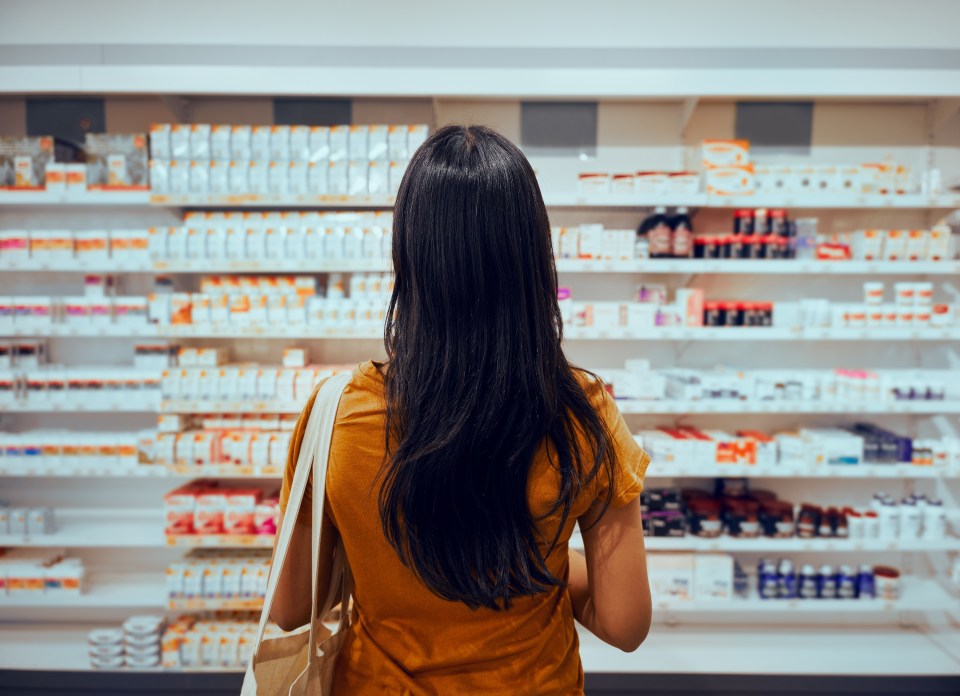
It means the emergency medicine will be available on the NHS over the counter, after a short consultation with a pharmacist or pharmacy technician.
Also from today, people newly prescribed antidepressants will be able to seek additional advice about the medication.
The pill move – hailed by officials as the biggest change to sexual health services since the 1960s – is expected to be a “game-changer” in making care more accessible.
Until now, buying the pill over the counter can cost between £15 and £30, depending on the brand and the pharmacy.
READ MORE ON CONTRACEPTION

Most GP surgeries and sexual health clinics already offer it for free, but waits for an appointment can make the pill less effective.
From today, the pill will be available for free from almost 10,000 community pharmacies without the need for an appointment with a family doctor or clinic.
The move could benefit tens of thousands of women, NHS England estimates.
Dr Sue Mann, national clinical director in women’s health at NHS England, said: “This is one of the biggest changes to sexual health services since the 1960s and a game changer in making reproductive healthcare more easily accessible for women.
“Instead of trying to search for women’s services or explain their needs, from today women can just pop into their local pharmacy and get the oral emergency contraceptive pill free of charge without needing to make an appointment.
“Community pharmacists and their teams are trusted professionals who women will be able to speak to confidentially and address any concerns they may have.
“With four in five people living within a 20-minute walk from a pharmacy this service is another example of how the NHS is already delivering on our 10 Year Health Plan commitment to shift care into the heart of communities.”
The morning-after pill is a type of emergency contraception used after unprotected sex or if regular contraception fails.
It can be taken at home but must be used within three to five days, and the sooner it is taken the more effective it is.
It works by preventing or delaying the release of an egg and does not cause an abortion.
The move was announced in March as part of the Government’s plans for investment in community pharmacies.
Earlier this year, pharmacies also began offering consultations for the contraceptive pill, as well as repeat supplies.
‘Access to free emergency contraception has been a postcode lottery’
Janet Morrison, chief executive of Community Pharmacy England, said: “Providing emergency contraception through community pharmacies is a fantastic move for widening access and convenience for patients across the country.
“Allowing regular supply of oral contraception from pharmacies has been well received, so building on this to now include emergency contraception is a natural step.
“Many pharmacies have been involved in similar local schemes for years, so we’re pleased to see this important new service introduce a consistent offer to women nationally.”
Reacting to news of the rollout, Henry Gregg, chief executive of the National Pharmacy Association, said: “We’ve long called for the national commissioning of emergency contraception, so this is good news for patients and pharmacies alike that this is launching today.
“For too long, access to free emergency contraception has been a postcode lottery for patients, with local arrangements only existing in certain parts of the country.
“Pharmacies are a great place for patients to get care quickly on their doorstep and we would never want to see people priced out from such a vital treatment.
“It’s really important that pharmacies, who are under significant pressure and closing in record numbers, are sustainably funded so they can continue to provide important services to patients such as these.”
The rollout of free emergency contraception is part of a wider package of support for community pharmacies, NHS England said.


As well as the rollout of free access to the morning-after pill, pharmacies will also begin offering support to people prescribed antidepressants.
A campaign, running until January 2026, will also aim to highlight what community pharmacies offer to patients.
A guide to taking the morning after pill
EMERGENCY contraception can stop you from getting pregnant after you’ve had unprotected sex.
This applies to when you haven’t used a condom, the condom broke or you forgot to take your contraceptive pill.
You need to use emergency contraception within three to five days of having unprotected sex. The sooner you take it, the more effective it will be.
Just like all methods of contraception, it’s not 100 per cent guaranteed that the morning after pill will protect you from pregnancy.
Depending on how much time has passed since you had unprotected sex, you might be limited on what treatments you can seek.
There are two main types of emergency pill used in the UK:
- Levonorgestrel like Levonelle, which you need to take within three days after sex
- Ulipristal acetate like ellaOne, which you need to take within five days after sex
You can also have an intrauterine device (IUD) – also known as the copper coil – fitted within five days of having sex.
It’s a small plastic T-shape that a specially trained nurse or doctor can put into your womb at a sexual health clinic or GP surgery.
You can choose to leave in the IUD as your usual method of contraception and it will last you five to 10 years, depending on the type.
How often can I take the morning after pill?
While you can take the morning after pill as often as you need to, it’s not recommended that you use it as a regular method of contraception.
There are no long-term effects on your body if you take it often, but there are other methods of contraception that are much more effective and easier to manage.
Can the pill cause side effects?
Most people who take the morning after pill won’t experience side effects.
But you might experience:
- A headache
- Stomach ache
- Changes to your periods – your period could temporarily be earlier, later, lighter, heavier or more painful
- Nausea or vomiting – if you do vomit after taking your morning after pill (within two hours for levonorgestrel or three hours for ellaOne) you will not be protected against pregnancy and will need to get a second dose
To combat nausea, you could take the morning after pill with some food to line your stomach.
Where can I get the morning after pill?
You can get the emergency pill or IUD free from:
- Most sexual health clinics
- Most GP surgeries
You can also get the emergency pill for free from:
- Some NHS walk-in centres
- Pharmacies that offer NHS emergency contraception services
- Some young people’s services (call the national sexual health helpline on 0300 123 7123 for more information)
Sources: NHS and The Lowdown