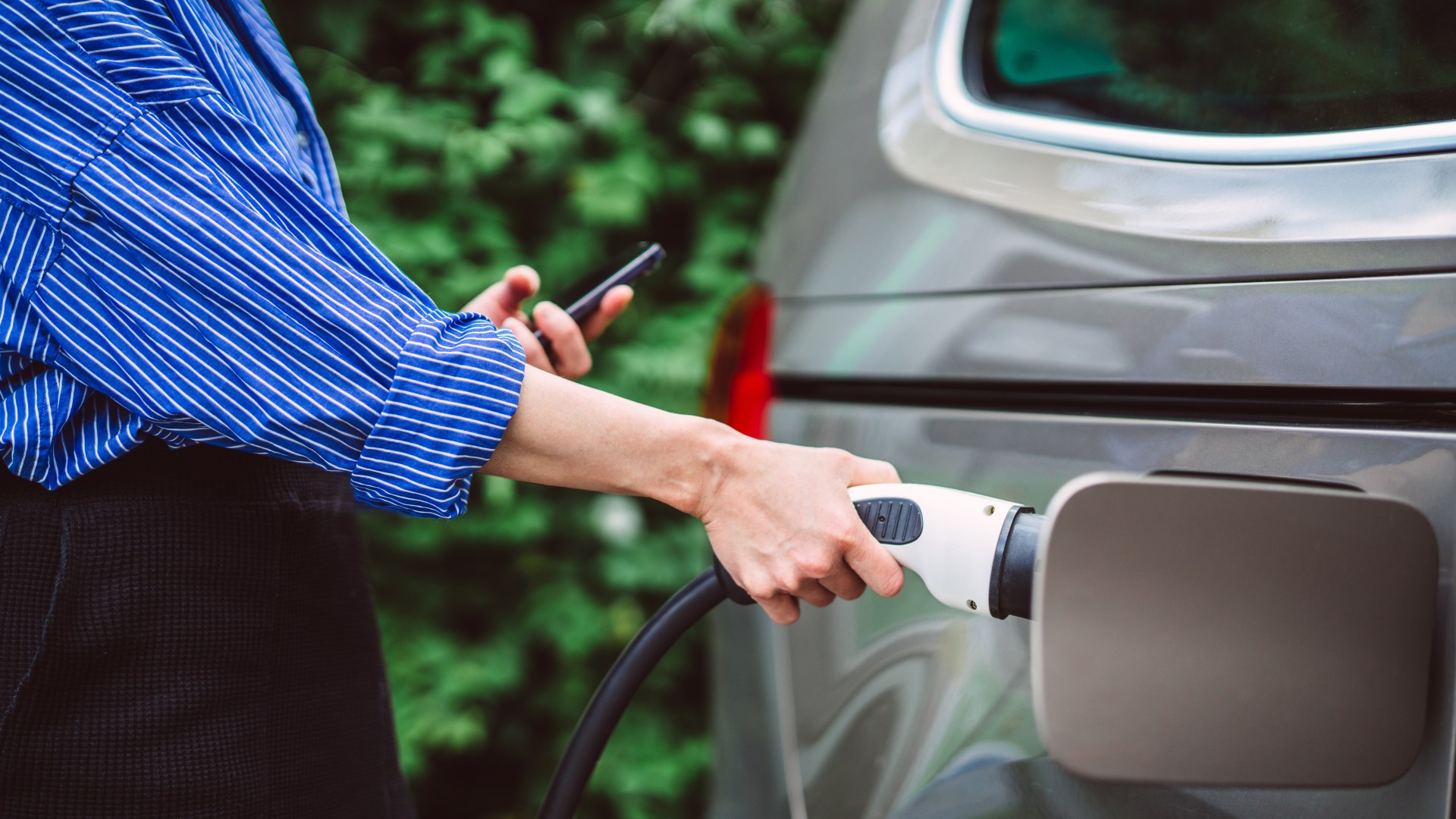
ELECTRIC vehicle owners will be forced to report to MOT centres each year under Chancellor Rachel Reeves’ new pay-per-mile tax – even if they’re brand new cars.
As part of the Autumn Budget for 2025, Reeves introduced a new pay‑per‑mile tax for EVs – starting in 2028 – to replace lost fuel duty revenues.
Under the scheme, EV drivers will estimate their annual mileage and pay 3p per mile at the same time as their vehicle excise duty, while plug‑in hybrid motors will pay 1.5p per mile.
That means, for an average EV driver covering 8,500 miles a year, the charge is expected to total some £255 annually.
And according to The Telegraph, to verify these self‑reported figures, motorists will be required to have their odometer readings checked at MOT centres – with garages then submitting the mileage to the DVLA.
Any underpayment will then be reconciled the following year.


Even brand‑new cars aren’t exempt; despite MOTs not being required in the first three years, owners will still have to book ‘light‑touch’ mileage checks with accredited providers on the first and second anniversaries of purchase.
The government added these checks, for which motorists will not be charged with the state covering the costs, can typically be combined with routine servicing.
Reeves acknowledged that some implementation details – particularly how mileage will be monitored in the first three years – are still being thought through.
On BBC Breakfast, she said: “These changes come in in 2028, we’ve done that for a reason – to give time.”
The government also expects this may see a rise in drivers tampering with their cars’ odometers in an effort to pay less tax.
“Mileage readings will be based on in‑vehicle odometers, which are simple to read but can be subject to tampering,” said the government’s consultation documents.
“Estimates have suggested that around 2.3pc of UK vehicles may show signs of clocking and though this practice is uncommon (and already a criminal offence if not declared when a vehicle is sold), the government recognises that the introduction of eVED may increase the likelihood of motorists choosing to clock their vehicles, or allowing the odometer to be inoperative.”
Furthermore, the pay‑per‑mile levy will also be charged on all miles recorded on a vehicle’s odometer regardless of where they are driven.
The example given is Northern Irish motorists who frequently drive in the Republic of Ireland, as their cross‑border mileage will still count towards the tax.
The government has said annual odometer readings are preferred over systems that try to exclude foreign miles – as they avoid continuous location tracking and therefore better privacy protection.
Looking ahead, the government also noted that in‑built telematics could be used to report mileage directly to the DVLA – but participation would be optional rather than mandatory.
And in wider policy, ministers reaffirmed their commitment to banning the sale of new petrol and diesel cars in 2030.
However, the Office for Budget Responsibility (OBR) expects the pay‑per‑mile charge to somewhat dampen EV demand – predicting that 440,000 fewer EV sales will be made over the next five years as a result.