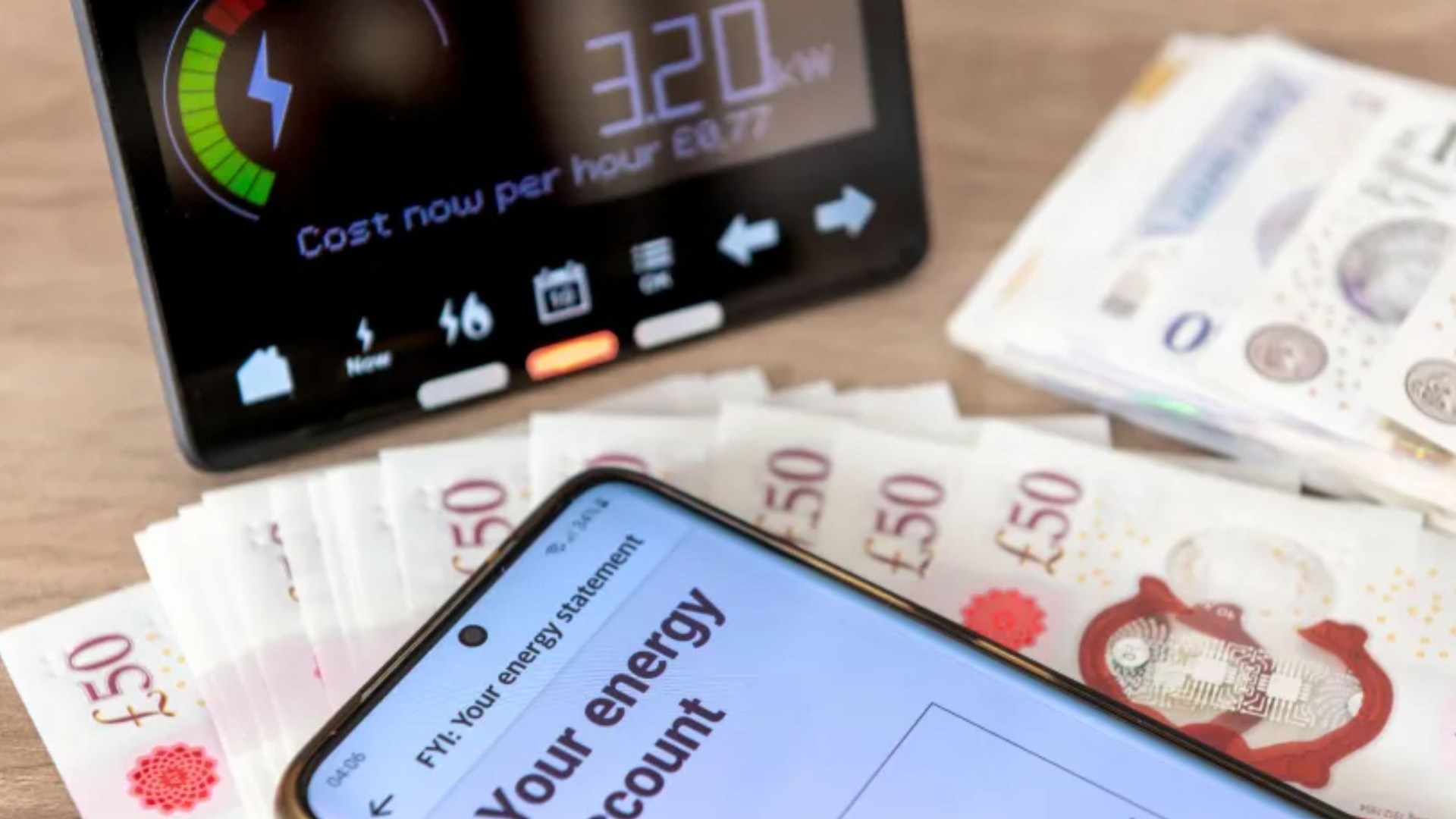
THE winter months are tough, and with the energy cap increase, bills can be a real source of anxiety.
But today, as part of our Beat Your Bills special, we have assembled a top team of experts to help you cope as temperatures drop.
Our brilliant Bills Squad includes Phil Steele, future technologies evangelist at Octopus Energy, who will tell you how to tweak your tariff while scientist Angela Terry offers ways to conserve heat and save money.
Joanna O’Loan from the Energy Saving Trust has advice on getting the most from your hot water tank.
The Sun’s head of consumer Tara Evans offers her thermostat tips and Uswitch’s Ben Gallizzi tells you how small changes can make all the difference.
With just a few simple tweaks, you can slash your energy bills by up to £908.
read more on energy bills
From smarter cooking to banishing drafts, our team’s tricks turn small changes into serious savings.
Here, Mel Hunter shares eight of their steps to fight back against rising energy costs – and keep more cash in your pocket.
Tailor your tariff
It is important to look for a tariff that best suits your lifestyle, according to Phil Steele, future technologies evangelist from Octopus Energy.
He adds: “For example, if you switch to using electricity when most other people aren’t using it, you may be able to save more, especially with our intelligent tariffs which take advantage of times when a high amount of renewable energy is generated, such as when it’s windy or sunny, and that can lower bills.”
Most people in the UK are on their supplier’s standard variable tariff, where Ofgem’s price cap sets the maximum that suppliers can charge.
This went up by 2.2% on October 1, meaning the average bill for those paying by direct debit rose by £35.14 to £1,755 a year.
You may be able to save by switching to a fixed-rate tariff or by finding a variable rate that gives a discount on the unit rates or the standing charges set by Ofgem’s price cap.
The average household could save £211 by switching to a fixed deal if not already on one, says uswitch.com.
If you can shift much of your energy use to off-peak hours, a time-of-use tariff could be a good option.
Electric car owners can save by charging overnight.
BEAT YOUR BILLS
WE know many were concerned about soaring energy costs BEFORE temperatures plummeted this year.
A new Sun poll of readers found 85 per cent of you are worrying about energy bills this winter.
The Sun has teamed up with Octopus Energy to bring you our ‘Beat Your Bills’ series offering expert tips and advice on the simple measures you can take to keep costs to a minimum.
Our bill-busting series includes simple, cheap DIY tricks and easy swaps to save cash, plus advice if you’re struggling.
Octopus are also giving away an incredible Geely EX5 Max electric car.
Collect codes or download the Sun Savers app or sign up at sunsavers.co.uk for a chance to win.
Octopus’s Intelligent Octopus Go tariff, which is 7p per kilowatt hour, could save you a packet compared with the price cap rate of 26.35p.
The firm’s Agile tariff tracks the electricity price every half an hour, so customers can save when demand is low or supply is high, such as during windy weather, when renewables really kick in.
People who switched to the Agile tariff, which is open to existing Octopus customers, saved £268 on average over the past year compared to those on a standard variable tariff.
Layer-up your loft
Environmental scientist Angela Terry, the founder of One Home climate solutions, says: “The single most effective thing homeowners can do to reduce heat loss quickly is insulate their loft.”
A quarter of heat is lost through the roof in an uninsulated home, so adding an extra layer of foam insulation in your loft, taking it up to at least 27cm (10.5ins) deep, could save you a packet.
You can buy a roll of insulation covering around ten square metres from £25 at a DIY store.
Going from 12cm of insulation to 27cm could save you around £20 a year on your heating bill, according to the Energy Saving Trust.
Filling in draughty gaps, such as those around windows, doors and floorboards could save £40, plus you’ll save £60 draught-proofing an open chimney.
Make friends with your thermostat
Getting to know how your thermostat and other heating controls work can bring your bills down significantly, says The Sun’s head of consumer, Tara Evans.
If you are usually warm enough, try turning your thermostat down by one degree, which could save you around £90 a year.
A boiler programmer, thermostat and radiator valves need to work together.
Set your heating on the programmer to come on only when you need it.
Change the thermostat temperature to between 18 and 21C — a healthy family should be comfortable at around 19C.
Adjust your radiators according to which rooms you use the most.
You can buy thermostatic radiator valves for less than £10 and fit them to radiators so each one can be individually adjusted.
In rooms you don’t heat that much, set the valves to level one or two.
For the rooms you use most, try level four or five.
Tank top tip
Joanna O’Loan, knowledge manager at the Energy Saving Trust, says: “If you keep your hot water tank cosy, you can save £40 a year.”
Most modern hot water tanks have plenty of insulation, but an older tank might only have a small amount.
If you layer up the water tank with an insulation jacket, costing around £20, you could save around £40 a year on your energy bills.
Insulating exposed hot water pipes is also an easy DIY job and could save you £6 a year.
Little acts add up
Octopus Energy’s Phil advises us to think about all aspects of energy use, not just heating.
He explains: “Do you tend to overfill the kettle? Do you have light bulbs that could be replaced with the latest LED versions?
“Individually, the savings are small, but together these things can really add up.”
Here are some small wins:
- When you’re making a cuppa, only add the water you need to the kettle, saving £15 a year.
- lnstead of using the hob to cook veg, which costs around 9p for ten minutes, use a microwave, which costs under 3p. Doing that every day will save £22 a year.
- Using a slow cooker for stews, roasts and sauces will also save, as it costs around 6p for six hours compared with around 32p for two hours in the oven. Making that swap twice a week will save £27 a year.
- You can also save around £45 a year just by remembering to turn your appliances off standby mode, according to the Energy Saving Trust.
- Switching lights off when you leave a room can save around £8 a year.
These small changes alone can add up to nearly £120 a year.
Spend less on laundry
Changing the way you wash and dry your clothes is a good way to make some savings, says Ben Gallizzi, energy expert at uswitch.com.
Start with your washing machine.
Two-thirds of households use the fastest cycle no matter what the energy cost, while three-fifths never use the appliance’s eco mode.
Both these “bad” habits can add around £20 a year to your energy bill.
Cut down one wash a week to save more.
Ben says: “Putting a single load of washing in the tumble dryer will cost you about 66p every time.”
Do that three times a week and it will lighten your wallet by around £100 over a year.
Using a heated airer instead — at 40p for five hours — will save you £40 a year compared with a tumble dryer.
Air drying your clothes in a ventilated room will cost you nothing at all.
Ben adds: “Anyone worried about bad habits can track their energy usage on the free Uswitch app by connecting their smart meter.”
Keep the bedroom cosy
Scientist Angela says: “Your bedroom can actually be kept cooler than some of the other rooms you use, because you’ll typically be tucked up under a warm duvet.”
Layer up with extra blankets to keep toasty.
Angela says: “I love hot water bottles, too. And a 40w electric blanket can cost as little as 1p an hour.
“My other trick is to use a hairdryer to heat the bed for just a few seconds before I get in, so it’s not freezing cold when you finally turn in for the night.”
Stop money going down the drain
Getting smart with your water use will also bring your energy bills down, advises Angela.
“You’ll not only be saving on water, you’ll also save on the energy it takes to bring it up to temperature,” she adds.
If you have a water meter, the less water you use, the less you’ll pay.
Meters are usually cost-effective for households where there are more bedrooms than people.
As your water bills fall, so will your energy costs.
Swapping one bath a week for a short shower will save you £10 in energy a year, according to the Energy Saving Trust.
Experts also recommend switching a long shower for a four-minute wash.
Do that all year round and you could be £47 better off.
Both measures, plus using a water-efficient shower head, will save around 30,000 litres of water, saving you up to £120 a year.


Heating up water accounts for almost a fifth of our heating bill, so simply washing your hands and face in cold water instead of firing up the boiler cuts your costs, too.
How to switch and find the best energy deals
NOW is the perfect opportunity to check you are on the best value energy tariff and not paying more than you need to power your home.
Will Owen, from utility comparison site Uswitch.com said: “A fixed energy tariff is nearly always the best-value option right now, so you should get in the habit of switching every time your current deal comes to an end.
“Staying on your supplier’s standard tariff means you’ll be paying more than necessary, as your rates will rise every time the regulator hikes the energy price cap.
“If you haven’t fixed in a year or more, you’re probably on a standard tariff and paying more than you need to.”
You can look at your last bill or check with your current supplier to find out which deal you are on.
How to find the cheapest price
There are currently 27 fixed deals available below October’s price cap level, with the cheapest saving the average household £185 a year (deals correct as of November 14), according to Uswich.com.
A comparison site will round these up for you to help you sift through the right one for your home.
Try Uswitch or MoneySupermarket.com.You will need to give a few details such as your address, current energy supplier and information from your most recent bill to find out how much you can save by moving deals.
Make a note of how long you will be locked in before moving to a fixed rate before moving, and also any exit fees.
It’s also worth asking your current provider if they can match or beat the cheapest deal you find through a comparison search.
How to switch energy deals
Once you have found a deal you want to move to, switching is fairly easy.
You’ll just need to apply to your new supplier with details about your current circumstances and set up how you want to pay.
You may need to have a smart meter fitted to get some of the best deals, but your new supplier should arrange for this to take place.
Will says: “The process of switching can take as little as six minutes, and the rest is down to the suppliers.”
Switching if you have energy debt
The amount of credit or debt we have with energy suppliers can vary throughout the year, especially if you rely on estimated usage.
Will says: “You can still switch if you’re in debt with your supplier, as long as the amount owed is less than 28 days old.”
This means if your balance has been in arrears for longer than 28 days, you will usually need to clear the balance first before moving to a new provider.
If you are struggling to clear your energy bill debt, help is available.
The big energy firms offer grants to hard-up households who are behind on their energy bills.
Talk to your energy provider if you are struggling to see what help they can provide.
Switching if you’re on a prepayment meter
If you’re on a prepayment meter, you can still switch to a new tariff or supplier, but you could find your options may be more limited.
It’s important to compare what’s available to make sure you’re getting the best possible deal