★★☆☆☆/★★★★☆/★☆☆☆☆
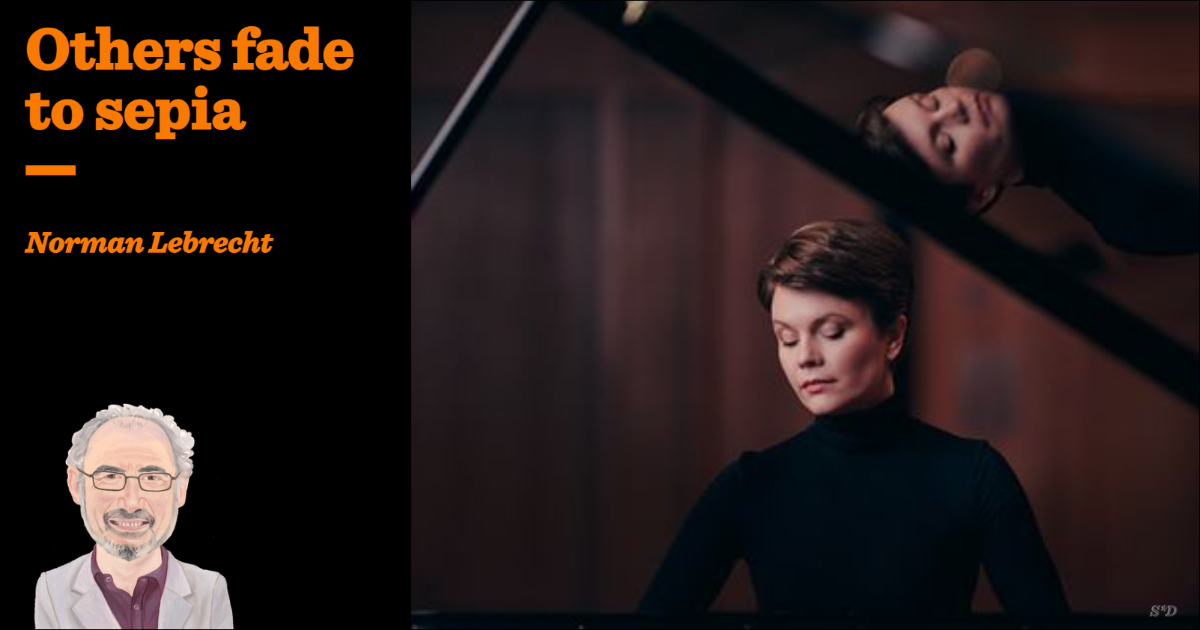
If ever you need proof that the best is the enemy of the merely good, listen no further than pianist Clare Hammond’s new release of quasi-concertos by three of Britain’s most celebrated composers.
William Walton won renown in 1923 with Façade, a poetry-with-chamber music “entertainment” and enjoyed a long life of mixed achievement. His viola and violin concertos were outstanding, as was his first symphony. His music for Laurence Olivier’s Henry V was epic; the rest of his output less so.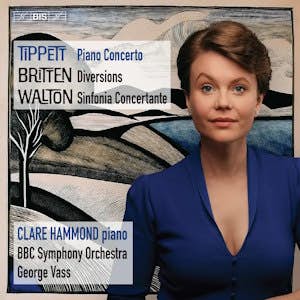
Sinfonia Concertante, for piano and orchestra, was acclaimed in 1929 as “unmistakably original” by the august Wagnerian critic Ernest Newman. It has a cheeky main theme that would not have sounded out of place in My Fair Lady, but the works as a whole doodles around for 20 minutes. Hammond performs heroically and the BBC Symphony does its duty, but there are limits to resuscitation when the body of a work is reluctant to cooperate.
Michael Tippett’s piano concerto of 1955 has an uncharacteristically muted and introspective opening, modelled on Beethoven’s fourth concerto. The original soloist declared he work unplayable. These days it sounds not terribly challenging, somewhat over-serious and not altogether clear where it is going — clusters of notes in search of a resistant revelation. I tiptoed away.
Between these mixed blessings, Hammond delivers Benjamin Britten’s 1940 Diversions for piano (left hand) and orchestra, leaving us in no doubt from the opening statement that this composer in his 20s knows exactly where he is going, what he has to say and how he means to express it. Written for the one-armed Paul Wittgenstein, it flopped on first performance and was long neglected. My reaction on hearing it again after several years is that you would not change one single note, so secure is Britten’s confidence in his gift. Beside him, others fade to sepia.