A man has paid nearly £16,000 to have his pet cat cryogenically frozen at a specialist facility in Switzerland, in the hope that medical advances will one day bring her back to life.
Finance worker Mark McAuliffe, from Newcastle, was so grief-stricken by Bonny’s deteriorating health that he paid the eye-watering sum to have her frozen once she died.
Having adopted Bonny as a five-week-old kitten, he was ‘devastated’ when she died last year at the impressive age of 23.
Mr McAuliffe, 38, is one of a handful of pet owners signing up for a pioneering service offered by German company Tomorrow Bio – which stores animals and humans in vacuum-insulated vats of liquid nitrogen, for as long as it takes for scientists to find a way of bringing them back to life.
And so passionate is he about the possibilities, that he will join Bonny at the same facility after his own death.
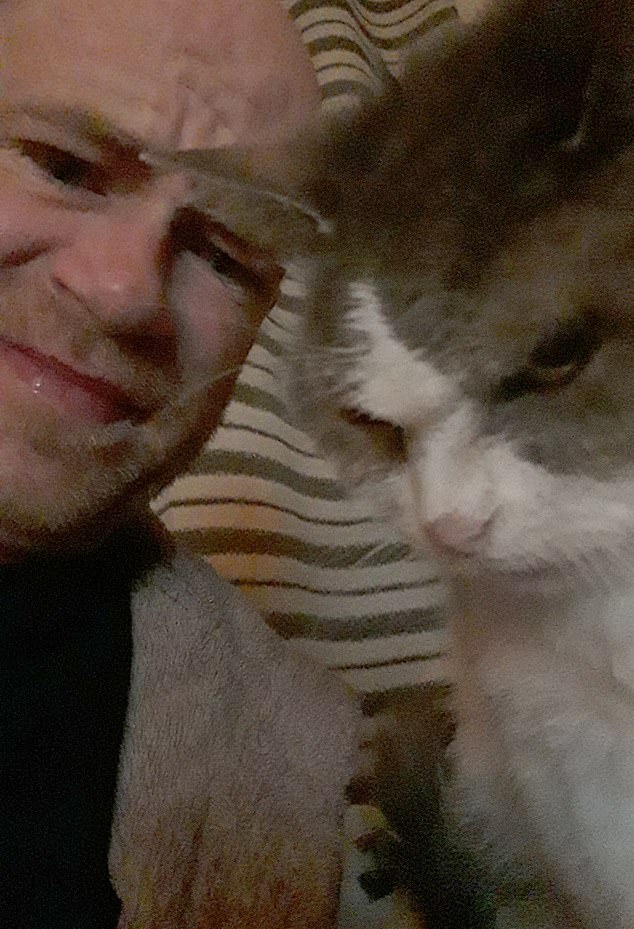
A man has paid nearly £16,000 to have his pet cat cryogenically frozen at a specialist facility in Switzerland, in the hope that medical advances will one day bring her back to life. Mark McAuliffe is pictured with his beloved Bonny
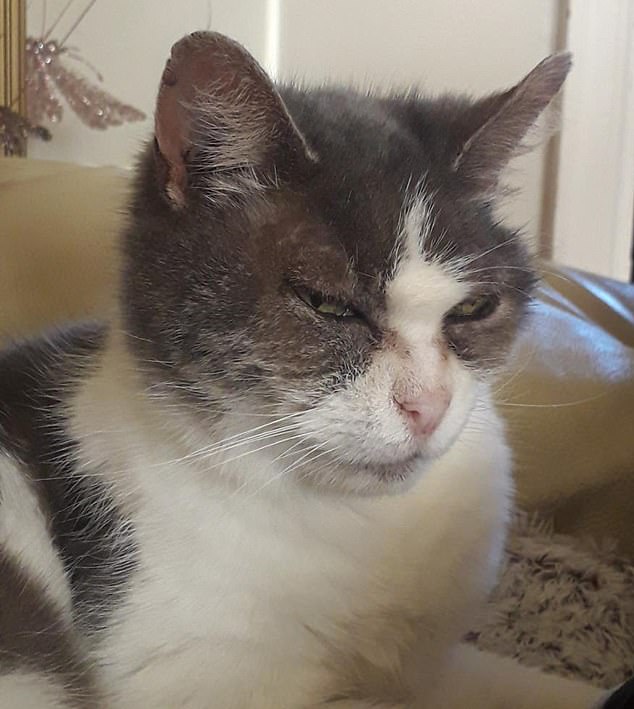
Bonny died in June 2024 and Mr McAuliffe packed her into a specially designed storage container, sent to him from Tomorrow Bio
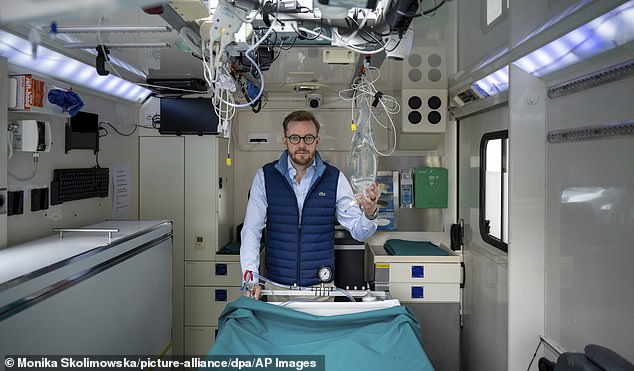
Bonny is now in an underground unit run by the firm’s sister organisation, the European Biostasis Foundation. The start-up’s founder, Emil Kendziorra, is pictured
Mr McAuliffe, who has three other cats and a tortoise, told The Mail on Sunday: ‘I was going to buy a vintage throne by Art Nouveau artist Carlo Bugatti and that was about £15,000. But I loved the cat a bit more than that. I’d had her since I was 16 so she was a part of the family.
‘I associate it with investing or gambling – you are betting on a possibility. I thought Bonny should come along for the ride.’
Mr McAuliffe took out a life insurance policy in 2022 for £50 a month which covers the cost of his own cryopreservation, and signed up Bonny – a non-pedigree shorthair – six months later, paying £15,600 cash in three instalments.
He said being child-free helped him afford the costs but added that he wouldn’t be signing up his other pets because ‘I don’t want an animal sanctuary when I wake up’.
Bonny died in June 2024 and Mr McAuliffe packed her into a specially designed storage container, sent to him from Tomorrow Bio.
Describing the moment, he said: ‘This cushioned the blow about Bonny’s death. Because I have got it in the back of my mind that it is not going to be the final goodbye.’
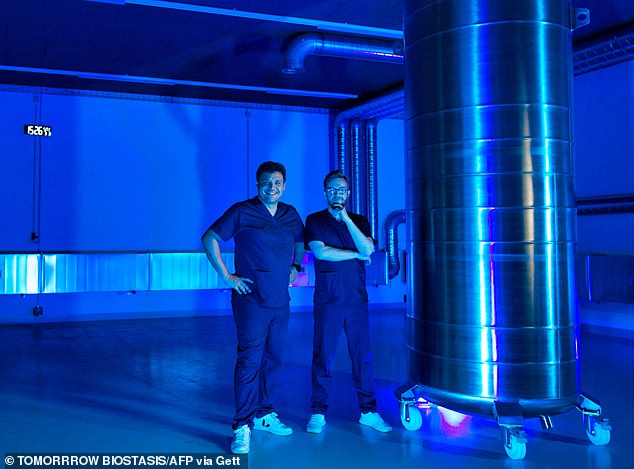
Emil Kendziorra (right), CEO of Tomorrow Biostastis, and a fellow employee are seen posing in their ‘storage space’ with a container to store human bodies at the company’s premises in Rafz, Switzerland
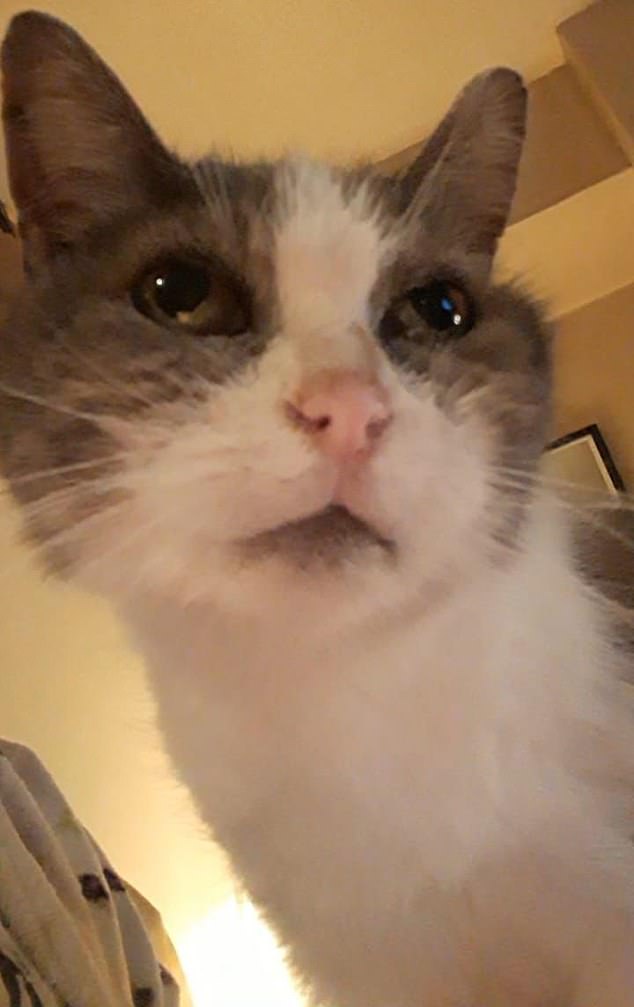
Mr McAuliffe said: ‘This cushioned the blow about Bonny’s death. Because I have got it in the back of my mind that it is not going to be the final goodbye’
She was taken by courier to Tomorrow Bio’s storage facility in Rafz near Zurich, and is now in an underground unit run by the firm’s sister organisation, the European Biostasis Foundation.
Clients are stored in 3m-high steel storage containers filled with liquid nitrogen cooled to minus 196C.
Full-body storage costs £173,000 while storing the brain is only £55,000.
The unit currently houses five whole body patients, 15 brain-only patients, two dogs and eight cats.
The firm said another 700-800 people worldwide have signed up for the service along with Mr McAuliffe.