Wealthy Britons fleeing Labour‘s tax raids could be slapped with a new ‘settling-up charge’ when they leave the country.
Rachel Reeves is said to be plotting the latest raid on the rich to raise £2billion as she looks to plug a black hole in public finances ahead of the Budget on November 26.
The move would see those leaving the UK hit with a 20 per cent charge on their business assets, as Labour continues to face accusations of waging a class war.
Those exiting the country can currently sell their British assets without being liable for Capital Gains Tax.
But under the Chancellor’s new scheme, emigrants would need to pay up at their point of departure.
However, the payment could be delayed for several years if they did not want to liquidate their assets immediately.
The policy would bring the UK in line with the majority of G7 countries who have ‘exit taxes’.
It is likely to be combined with a new measure which would see immigrants avoiding Capital Gains Tax on investment made before arriving in the UK.
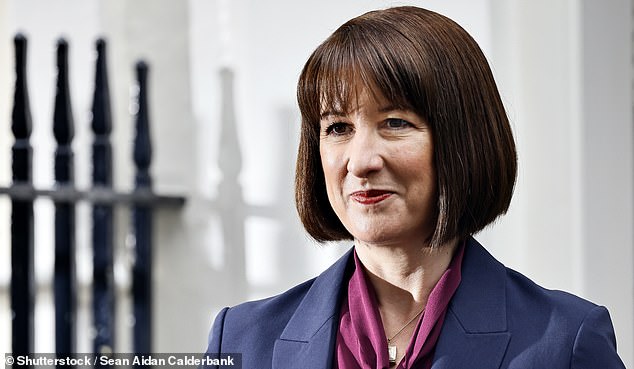
Rachel Reeves is said to be plotting the latest raid on the rich to raise £2billion as she looks to plug a black hole in public finances
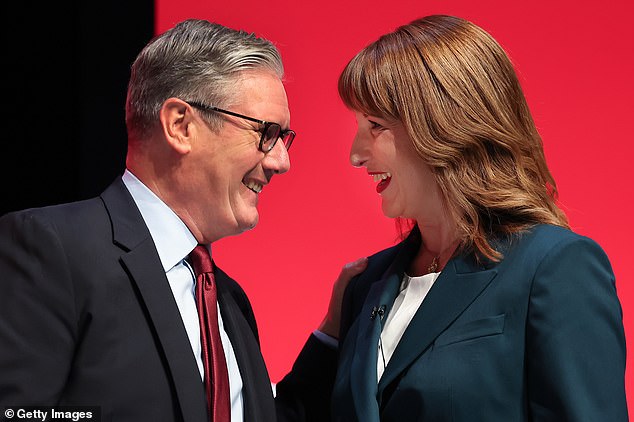
Under the Chancellor’s new scheme, emigrants would need to pay up at their point of departure
James Smith, research director at the Resolution Foundation think tank, said the tax could lead to an exodus of high-income individuals, keen to flee before it is implemented.
‘The risk, of course, is that if you announce it and don’t bring it in immediately then it could lead to capital flight, as people try to leave the country before it comes into effect,’ he told the Times. ‘But there are ways in which it could be brought in immediately.’
He added: ‘The idea would be that if someone decides to leave the country and relocate to a low-tax jurisdiction they would have to pay tax on any asset ‘gains’, like shareholdings, that remained in the UK.’
Around 16,500 millionaires are expected to leave the UK this year as Ms Reeves imposes a string of new levies.
Ms Reeves said higher taxes for the wealthy will be ‘part of the story’ of the budget and she is understood to be targeting a yearly one per cent charge on the amount a property exceeds £2m.
The UK could lose two as many high-net worth individuals as China this year and ten times the number leaving Russia, according to the Henley Private Wealth Migration Report.
Many have already left the country in response to Reeve’s scrapping the centuries-old tax privilege for non-doms, under which they were taxed on income and gains brought into Britain.
Fears are also mounting that the Chancellor will deal another hammer blow to the economy by piling on taxes at the budget.
Ms Reeves could effectively torch the Labour manifesto as analysts warn that she needs to fill a black hole in the public finances of up to £50billion.
Keir Starmer pointedly refused to rule out increases to income tax, national insurance and VAT at PMQs on Wednesday.
He dodged questions on whether the freeze on the personal tax allowance threshold could be extended – which would put rocket boosters on an income tax raid by dragging workers deeper into the system.
One proposal put to the Treasury has been a 2p increase in income tax, which could be combined with a 2p cut in employee NICs.
That would fulfil Ms Reeves’ pledges of hitting the ‘wealthy’ due to the ceiling on NICs, as well as punishing pensioners who do are not subject to the social levy.
It would be the first increase in the main rate of income tax since 1975.
However, the estimated £6billion raised would almost certainly not be enough to balance the books, reeling from rising borrowing costs and U-turns on policies such as welfare reform.
Ms Reeves’ woes have been deepened by the Office for Budget Responsibility (OBR) watchdog signalling it intends to downgrade long-term productivity forecasts. The rumoured 0.3 percentage point reduction could inflict a £20billion deterioration in the Treasury’s position by the end of the decade.