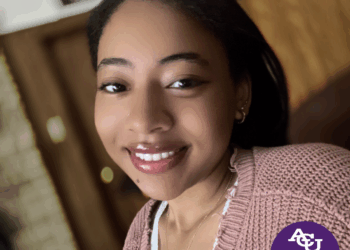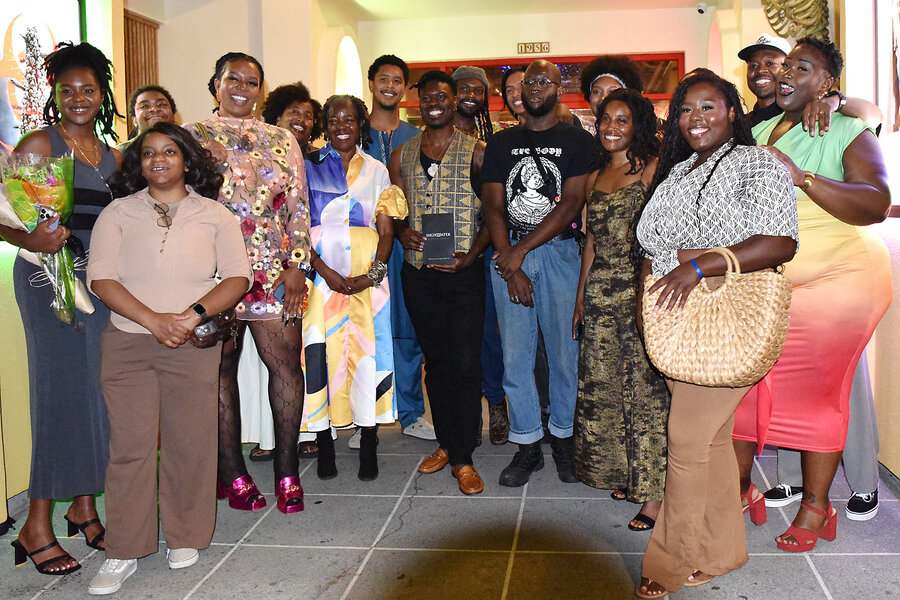
A native of Charleston, South Carolina, Tyquan Morton knows firsthand how historic Black communities on the coast are increasingly facing gentrification and displacement. His short film “High Water” blends environmental justice, Black coastal culture, and familial ties. It is also allegorical in terms of the realities of climate change along the Gullah Geechee Corridor, which spans the coasts of both North and South Carolina, Georgia, and Florida. As more residents struggle to preserve ancestral land from beachfront development and to ensure that their unique African-rooted culture endures, Mr. Morton’s film is gaining attention. The Monitor spoke with him by phone; the interview has been edited for length and clarity.
What was one of your goals in making the film?
It’s important for me to showcase South Carolina and the Low Country. There are so many people that don’t know about how we navigate and experience the world. Having this film as part of this larger archival consciousness warms my heart.
How did you come up with the concept for “High Water”?
It started off as three separate short stories or short films. When I really sat back to think about this story, I realized that I was just building this world from my memories. The dialogue among the cousins was just what we do when we’re all at home. The mother reminded me of my own grandmother, and of being an only child. What I’m getting at is this project is just an excavation of memory – my personal memory – but also the collective memory of the people of Charleston. It’s a memory of loss, but also memories of kinship and community.
What feedback have you received?
Especially for the people from Charleston, it resonated, just being able to hear and see themselves in film. Specifically with the Gullah Geechee culture, we don’t often hear ourselves or experience that in film with our own stories.
I think a lot of people at the screenings around the country were able to make connections with their own lived experiences and their own cultures. Nashville, Tennessee, for example, is experiencing a lot of the gentrification that Charleston experienced and continues to endure. People also really love the intersection between family responsibility and environmental or ecological responsibility as well, and just seeing that those two things are really tied together.
What’s next?
We’re working on an extended cut that we hope to have done in March. The current version is around 20 minutes, but with this cut, we’re hoping for 30-plus minutes, to give people a little bit more time to breathe with the characters and to just sit with the story.