IT’S been a great year for motors thanks to some standout new releases – from the brilliant little Renault 5 to the simply breath-taking Ferrari 849 Testarossa.
What’s more, the ever-popular Ford Puma continues to reign supreme at the top of the sales charts, while the Chinese-made Jaecoo 7 has impressed plenty of drivers seeking a bargain alternative to the Range Rover.
But it hasn’t been a great year for every model, as some have inevitably fallen by the wayside – such is the relentlessness of time.
Here, we look back at some of the cars discontinued this year, now merely consigned to the history books(and second-hand car outlets).
Mazda2
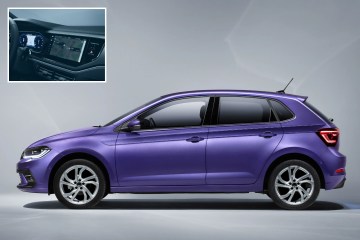
The petrol‑powered Mazda2 has reached the end of the road in the UK and has effectively been replaced by the Mazda2 Hybrid (itself a rebadged Toyota Yaris).
Launched in 2015 and facelifted in 2019 and 2023, the Mazda2 earned plenty of praise for its fun drive and smart cabin, but the Japanese brand cites its electrification strategy and pressure from the UK’s ZEV mandate as key reasoning behind its discontinuation.
Mazda MX‑30
It was a busy year for Mazda as they also quietly binned the much‑maligned MX‑30 after just four years on sale.
First revealed in 2019, the crossover EV – the brand’s first all‑electric model – was hamstrung from the start by its limited 124‑mile range, awkward coach‑style doors and cramped rear seats.
Based on the CX‑30, the MX‑30’s small 35.5kWh battery was intended to cut weight and lifecycle CO2 – but it ultimately proved insufficient in real‑world use.
For now, the plug‑in hybrid MX‑30 R‑EV remains on sale, pairing a 17.8kWh battery with a 0.8‑litre rotary range‑extender for over 400 miles of combined range.
And Mazda certainly isn’t done with EVs, as the gorgeous 6e saloon arrives next year ready to challenge the Tesla Model 3.
Lexus LS
After some 35 years as a byword for saloon‑car style, substance and comfort, the iconic Lexus LS is bowing out.
Earlier this year, the Japanese marque cancelled the LS in the UK and removed it from its line‑up – citing slow sales as the main reason.
Indeed, Lexus sold just three (yes, three) LS saloons in 2024 and fewer than 40 in total since the turn of the decade, as buyer tastes increasingly favour SUVs.
In general, the LS’s age and lack of electric or plug‑in hybrid options probably didn’t help it much, either.
Its retirement means the ES is now the only Lexus saloon on sale in this market.
Porsche 718 Boxster & Cayman
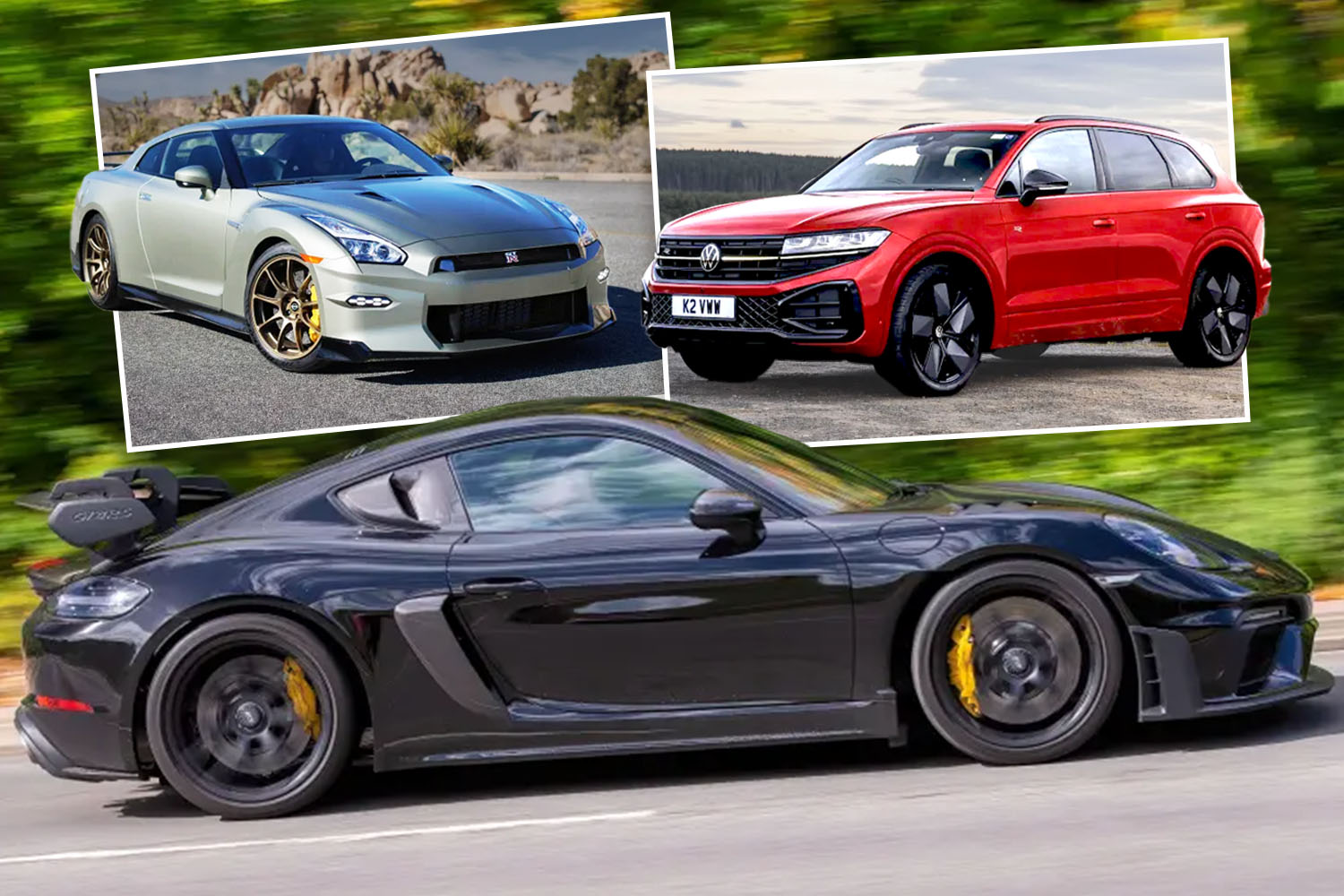
To the heartbreak of many petrolheads, Porsche removed the 718 Cayman and Boxster from its price lists and configurator this year, ending new orders – with final deliveries due by March.
Long the benchmark for premium, lightweight, two‑seater sports cars, the pair’s departure now paves the way for electric 718 successors, expected sometime next year.
However, recent reports have suggested the German marque is developing new combustion-powered 718 models for the end of the decade to be sold alongside the electric Boxster and Cayman.
Watch this space.
Audi A1 & Q2
While they haven’t ended yet, Audi announced earlier this year that it will stop production of the A1 and Q2 in 2026, with no direct replacements planned.
However, a new entry‑level electric model will be unveiled – positioned below the Q4 e‑tron – with design-influences from the bubble‑like A2 built between 1999 and 2005.
It will offer the Audi‑specific tech and quattro options fans expect, with an anticipated price tag of around £30,000.
Ford Focus
After 27 years and 12 million sales, the iconic Ford Focus is no more.
Last month, the final Focus rolled off the production line as the Blue Oval looks to focus on electric vehicles instead.
Worse still, the move marks a major shift for the Focus factory in Saarlouis, Germany, with the long‑running plant no longer building any cars after 45 years of operation, leaving its future in doubt.
Volkswagen Touareg
Another model set to end next year but effectively wound down in 2025 is the plush VW Touareg, which will die completely in 2026 after an impressive 23‑year run.
The premium SUV, which was developed alongside the original Porsche Cayenne, will be effectively replaced by the newer, more versatile Tayron – the brand’s largest UK SUV.
Nissan GT‑R
Another one for petrolheads to mourn is the Nissan R35 GT‑R.
Launched in 2007, it has now been discontinued globally with production ending in Japan earlier this year.
Loved for its high performance and everyday usability, the icon was continually improved by Nissan over the years with more power and sharper handling.
It went off sale in Europe in 2022 due to noise rules, but remained in its homeland until this year with the final GT‑R rolling off the line in Japan in August, and around 48,000 built in total.
Nissan has hinted at a future R36, but given the brand’s current troubles, a successor seems unlikely for now.