CHICKENPOX vaccines will be rolled out to all children on the NHS for the first time from today.
Protection against the varicella virus will be added to the measles, mumps and rubella jab in a four-in-one called MMRV.
It has been used for years in the USA, Canada and Germany.
British children will now be offered two doses of the vaccine as part of routine childhood immunisations, at 12 months and 18 months of age.
A catch-up programme will offer it to all youngsters born since 2020.
NHS England said hundreds of thousands of children will be eligible for the jab from Friday.
Read more on child health
The rollout will include the following kids:
- Children born from 1st January 2025 will receive one dose at 12 months old and another one at 18 months old
- Children born between 1st July 2024 and 31st December 2024 will receive one dose at age 18 months and one at 3 years 4 months
- Children born between 1st September 2022 and 30th June 2024 will receive one dose at age 3 years 4 months
- Children born between 1st January 2020 and 31st August 2022 can get a vaccine if they have not had one privately or already had chickenpox infection
- Children born before 2020 are not eligible for free vaccination
9 out of 10 kids catch virus
Dr Gayatri Amirthalingam, from the UK Health Security Agency, said: “Most parents probably consider chickenpox to be a common and mild illness.
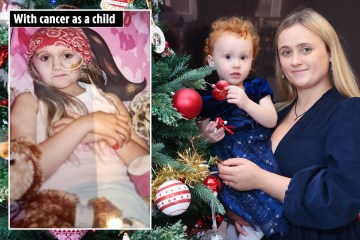
“But for some babies, young children and even adults, chickenpox can be very serious and tragically even fatal.”
Chickenpox is a highly contagious viral disease and 90 per cent of Brits get it before age 15.
Most recover quickly with typical symptoms of a rash and a fever but some patients suffer more severe chest infections, seizures, or sepsis, and about 20 people die each year.
Vaccines were previously only available free to very high risk groups or NHS staff who never had chickenpox as a child.
Parents with eligible children will be contacted by their local GP to offer the vaccination.
Health Secretary Wes Streeting said: “This new protection will give parents reassurance that their children are protected from a disease that sends thousands to hospital every year.
“Families will save both time and money, no longer facing lost income from taking time off work or having to fork out for private vaccinations.”
Professor Victoria Tzortziou Brown, of the Royal College of GPs, said: “The NHS childhood vaccination programme has been one of the great successes of modern medicine and we’re pleased to see it being expanded to protect children against chickenpox.
“All vaccines in the NHS Childhood Vaccination Programme are safe and effective and are some of the most important health interventions parents can make for their children.”
WHAT IS CHICKENPOX?
CHICKENPOX is a viral illness that infects 90 per cent of British children before the age of 15.
It is caused by the varicella zoster virus and typically causes a skin rash and a fever.
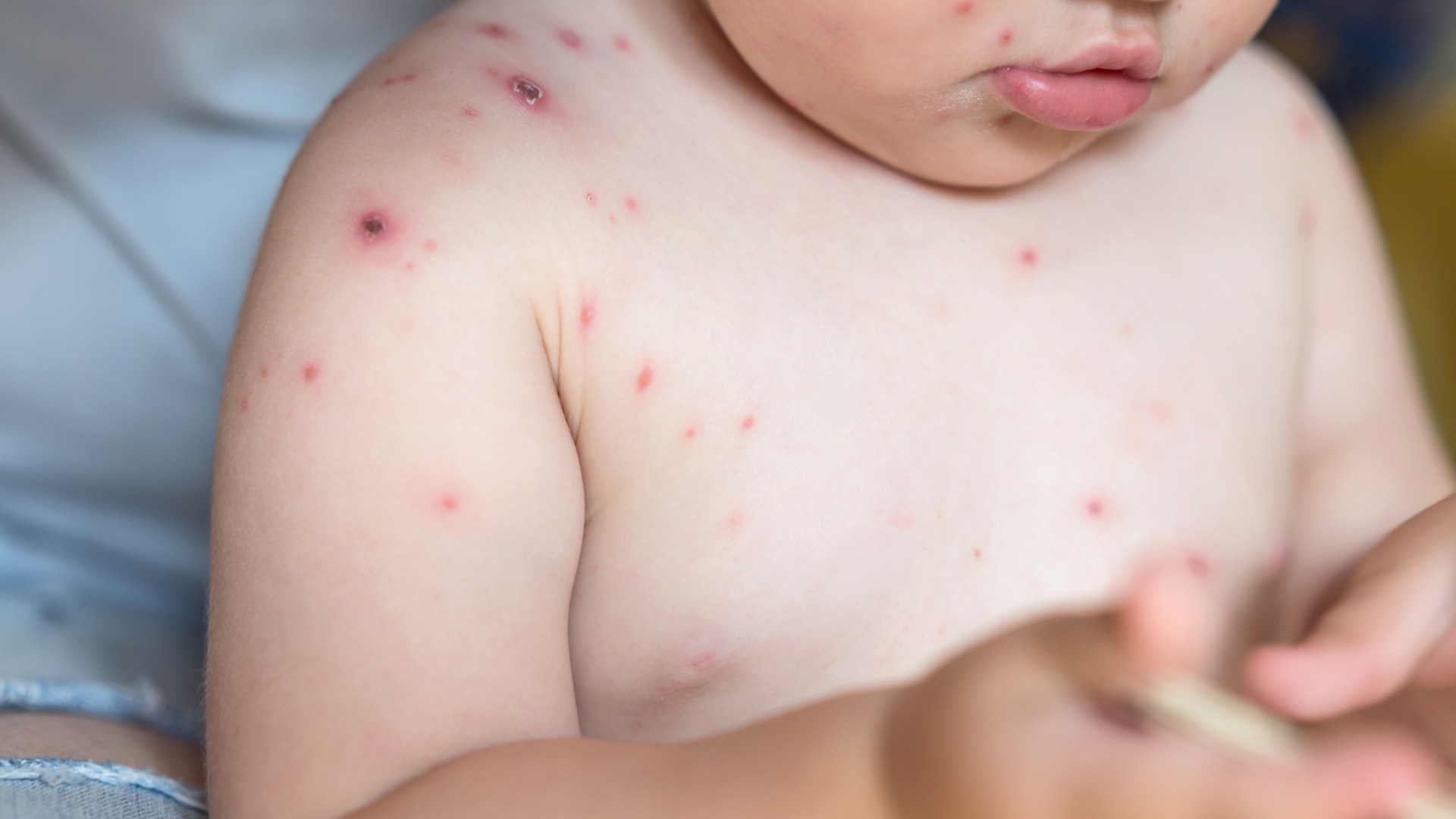
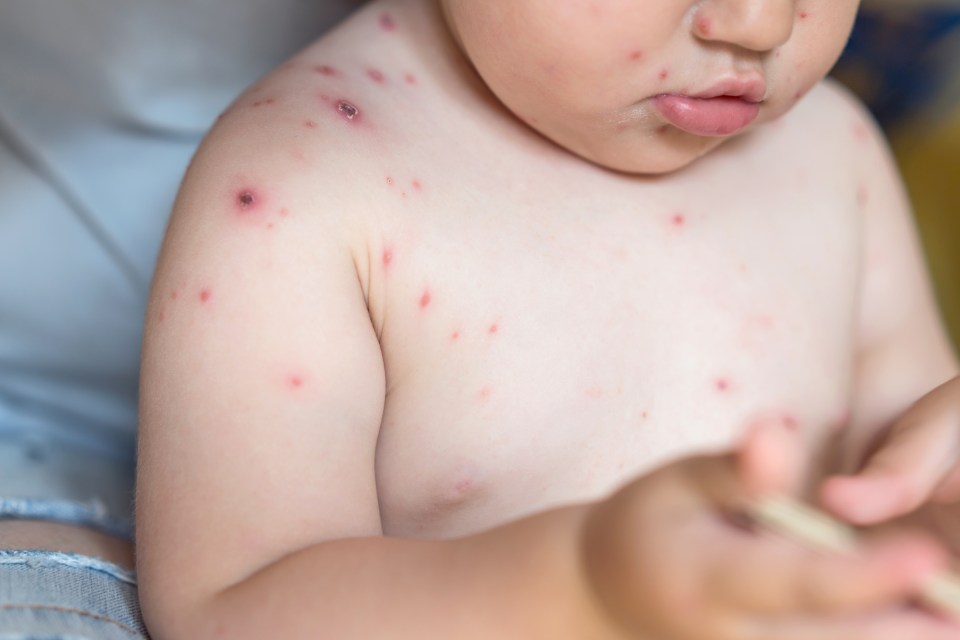
The rash begins as pink or red spots that turn into blisters and then scab over.
This takes about five days but it does not start until two or three weeks after being exposed to the virus.
Patients may also experience a high temperature or chills, a loss of appetite, tiredness and aches and pains.
There is no treatment and most people recover within a couple of weeks with rest and drinking lots of fluids.
Some experience more severe complications which can include chest infections or seizures.
About 20 people per year die from chickenpox complications in the UK.
People at higher risk of severe illness include newborn babies, pregnant women and those with weakened immune systems, such as due to chemotherapy.
Varicella is highly contagious and can spread by physical touch or through the air, meaning simply being in a room with someone with chickenpox is enough to catch it.
The NHS says patients should not scratch their blisters as this can cause scarring.
Most patients can recover at home without medical help but should phone NHS 111 or their GP if in a high-risk group or concerned about worsening symptoms.