A PROFESSIONAL nanny has shared her brutal opinion on ‘where parents are going wrong’ when it comes to raising their kids.
Although we wouldn’t normally judge people on their parenting approach, Charlotte Willis, a nanny at Koru Kids, has noticed a thing or two about areas that could do with some improvement.

3

3

3
”I think the biggest area where society is going wrong with raising children is underestimating the value of unstructured play,” said Charlotte who’s been both, a live-in and a live-out nanny.
”Children learn so much from simply exploring, imagining, and socialising.
”Making mistakes, falling and getting back up again, showing strength and endurance in trying again,” she told Sky News.
The nanny, who occasionally gets to ”go on holiday with the family”, also shared her unfiltered thoughts on screentime – and it might surprise you.
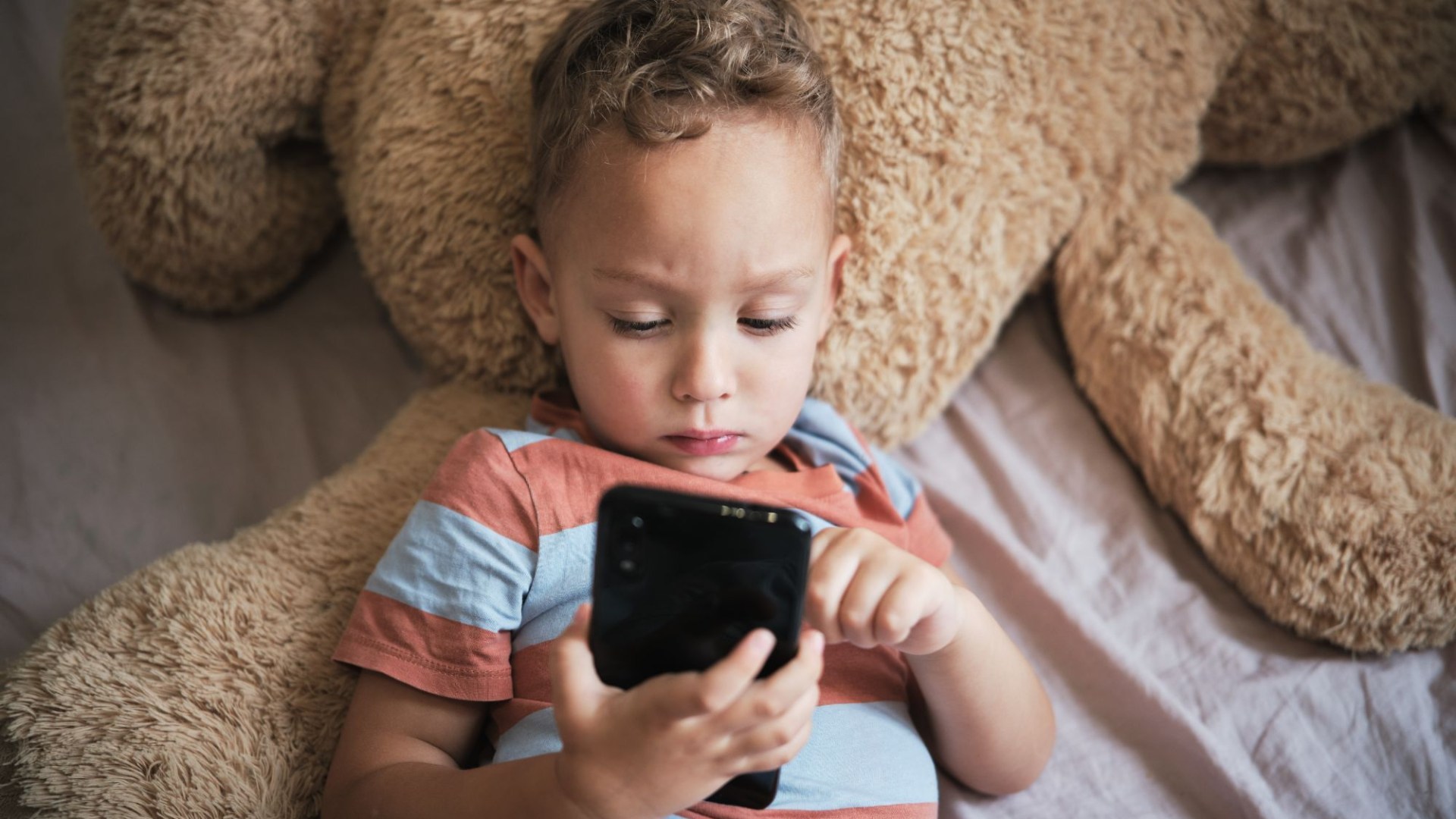
Whilst many parents have been shamed for letting their little ones watch TV from a very young age, Charlotte reckoned ”screentime can be useful” – from as early as ”the age of two”.
However, there is a ‘but’ – the nanny warned that screentime should be ”monitored” and should also assist ”learning”.
”For example – cosmic kids yoga is lovely. It is based on stories and is fast-moving basic yoga moves alongside a story.
”It gets the kids moving, settled and interested in what is going on.
”It depends on age, but I believe in balance – screens can be educational, but outdoor play, reading, and creative activities are far more valuable.”
But how much screen time is too much? And does it vary depending on their age?
For babies and young children, UK and World Health Organisation (WHO) guidelines recommend no screen time for those under 18-24 months, and no more than one hour per day for children aged 2-5.
For older children and teenagers (6-17), the NHS suggests a maximum of two hours of recreational screen time per day – excluding homework – ensuring screen time doesn’t replace essential sleep, physical activity, or family time.
Dangers of too much screen time
Excessive screentime, scientists warned, increases the risk of a heart attack, as well as high blood pressure, high cholesterol and insulin resistance among youngsters.
Small tweaks and boundaries now can save you big battles later – and help your child enjoy tech without it taking over their life.
Too much screentime may cause sleep problems and affect school performance.
Experts warn that high levels of screen time in young children are strongly associated with poorer emotional self-regulation and more frequent tantrums.
Age-Specific Screen Time Guidelines
- Under 18 months: Avoid screen media entirely, except for live video calls with family members.
- 2 year olds: No more than 1 hour per day, but less time is still preferred.
- 3 to 5 year olds: No more than 1 hour per day, but less is preferred. Choose high-quality programmes and watch them with your child to help them understand what they are seeing.
- 6 to 17 year olds: Maximum of two hours of recreational screen time per day, excluding homework. Set consistent limits on the time spent on media and the types of media used. Ensure media use does not replace adequate sleep, physical activity, or other healthy behaviours. Encourage healthy habits and limit activities that include screens.
According to UNICEF, constant exposure to screens can impair a child’s ability to control impulses and manage frustration, particularly when screens are used as a way to calm the child rather than teaching coping skills.
Higher screen time is linked to more inattention and hyperactivity, lower language skills, and greater prevalence of ADHD and ASD symptoms – particularly in boys.
OSF HealthCare paediatrician Dr Samina Yousuf said: “Studies are showing links between excessive screen time and various physical and mental health issues in children, such as obesity, depression, behavioural issues and anxiety.
“It also hinders them from getting the recommended amount of sleep each night, which harms them physically and also impacts their performance in the classroom.
“And then when they come home from school, it cuts into the time they should be devoting to homework.”
It also impacts their development of social skills, as she added: “Impatience in real-world interactions is one of the biggest results of excessive screen time.
“You don’t have to be patient with a screen. It’s instant gratification. But you do need patience when you’re talking to someone in person. So, it’s important that children learn to wait, listen and respond.
“This will not only help them when communicating with other kids, but also when playing together, since taking turns with toys is so important.
“All of this lays the foundation for developing healthy relationships and friendships as they grow up.”