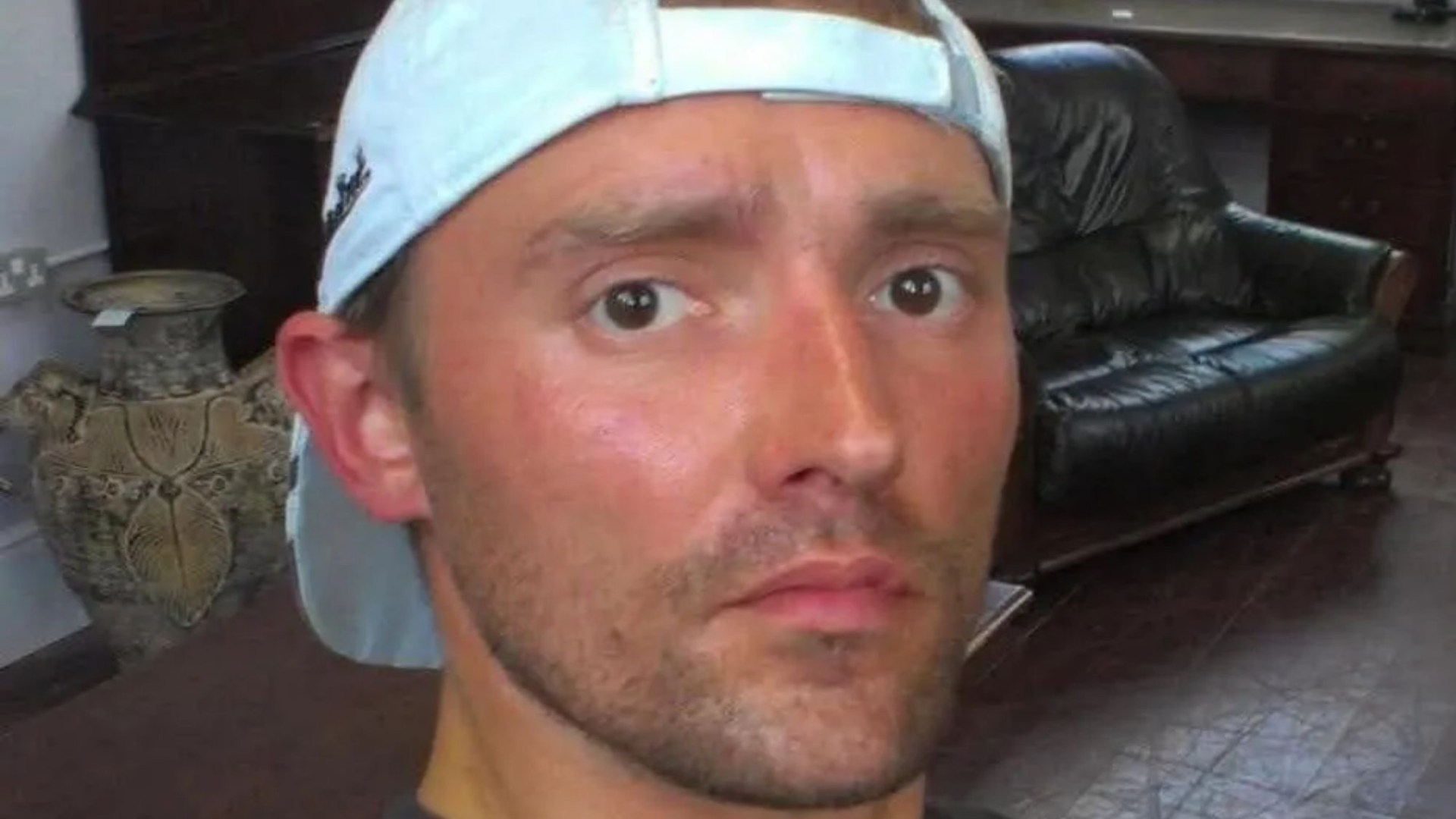
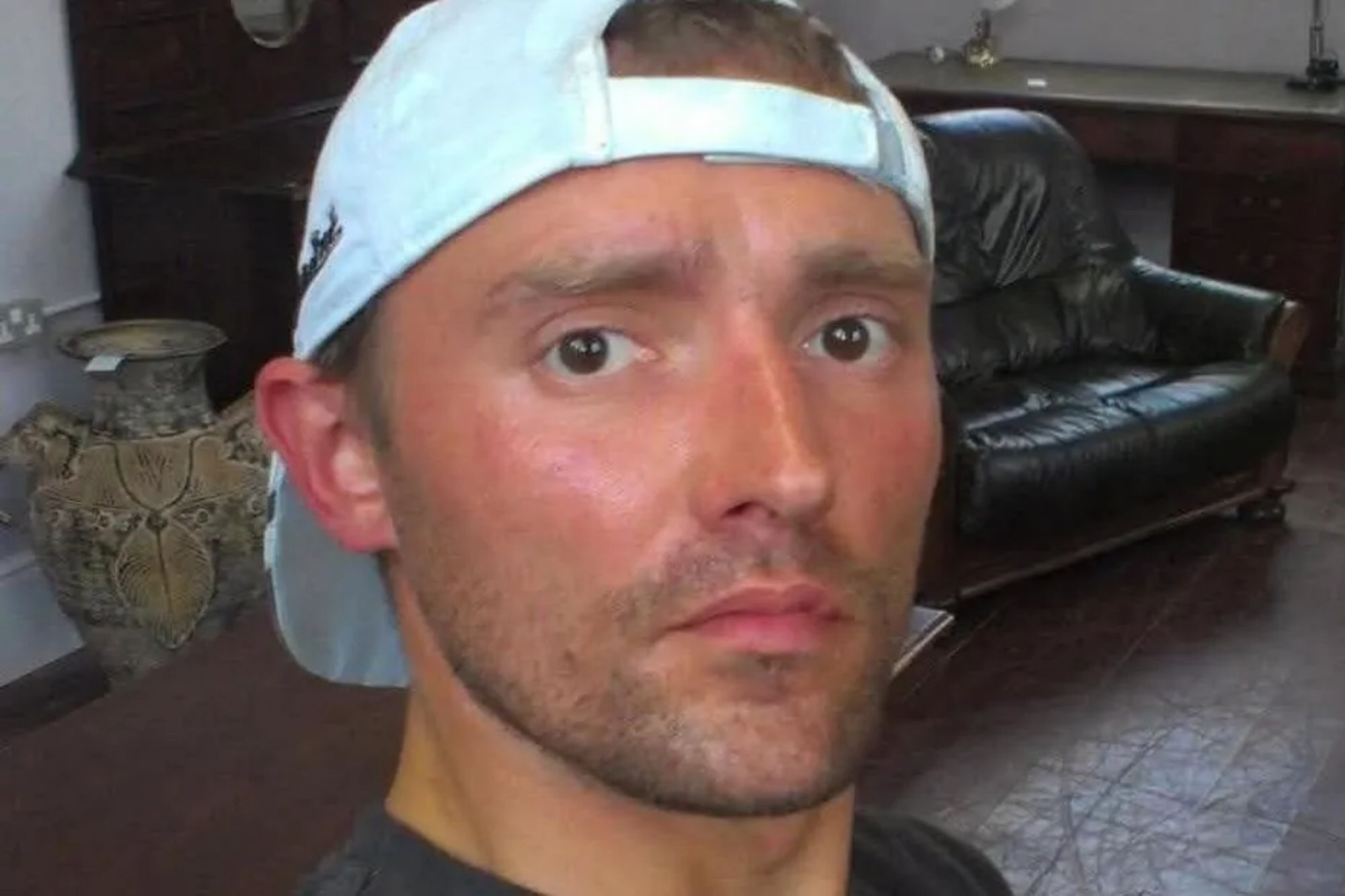
MYSTERY surrounds why a man got into a river after his dead body was pulled from the water, an inquest has heard.
Paul Yeomans died after entering the river on Riverside Road in Norwich on August 29 last year.
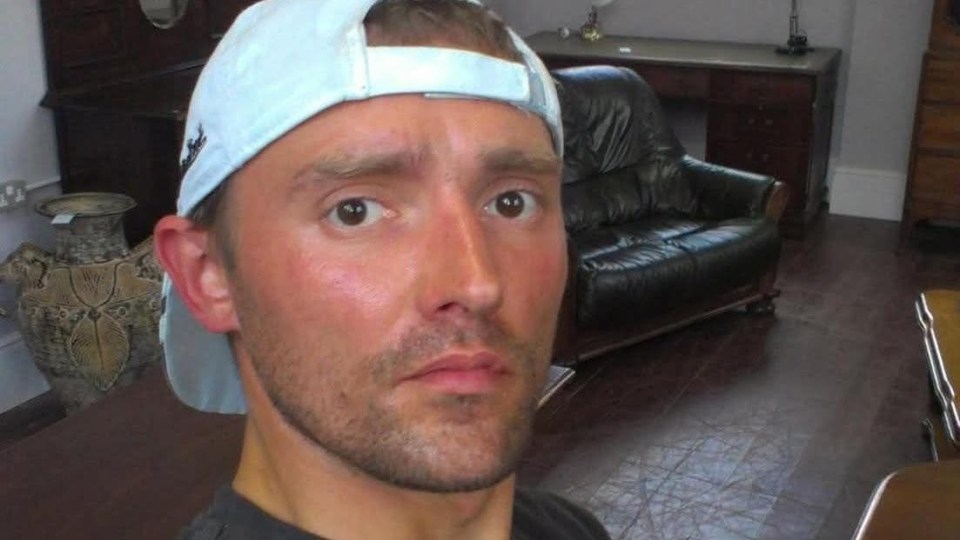

Police, fire, and ambulance crews rushed to the scene of the incident.
But despite their best efforts to resuscitate him, the 37-year-old was pronounced dead at the scene.
Paul’s death was listed as drowning alongside the ingestion of alcohol.
An inquest into his death took place on March 13 at Norfolk Coroner’s Court.


During the proceedings, a witness said that they heard loud music and splashing noises in the vicinity.
The noises were described as similar to someone struggling to swim.
A bicycle and bag of clothing, believed to be Paul’s, was found on the river bank.
The court also heard from Paul’s friends who described him as a “good person” and someone who wanted “so much more than his demons allowed”.
The inquest heard that he had a history of heavy drinking and drug use, such as heroin, but was able to restrain himself from the latter.
Ethanol levels of 144mg were found in his blood during a toxicology examination, which was believed to have a significant effect on his cognitive function.
Paul was found to have worked with a health and social care charity, Change Grow Live, for his addiction issues.
But no evidence suggested that he had any mental health admissions or had thoughts of self-harm.
If you are affected by any of the issues raised in this article, please call the Samaritans for free on 116123.
Assistant coroner Robin Weyell concluded the inquest by stating that there was insufficient evidence as to why Paul entered the water.
He added that there was also no evidence that he had suicidal thoughts.
Mr Weyell ended the inquest by giving his condolences to those that were affected by Paul’s passing.
How to get help
EVERY 90 minutes in the UK a life is lost to suicide
It doesn’t discriminate, touching the lives of people in every corner of society – from the homeless and unemployed to builders and doctors, reality stars and footballers.
It’s the biggest killer of people under the age of 35, more deadly than cancer and car crashes.
And men are three times more likely to take their own life than women.
Yet it’s rarely spoken of, a taboo that threatens to continue its deadly rampage unless we all stop and take notice, now.
If you, or anyone you know, needs help dealing with mental health problems, the following organisations provide support: