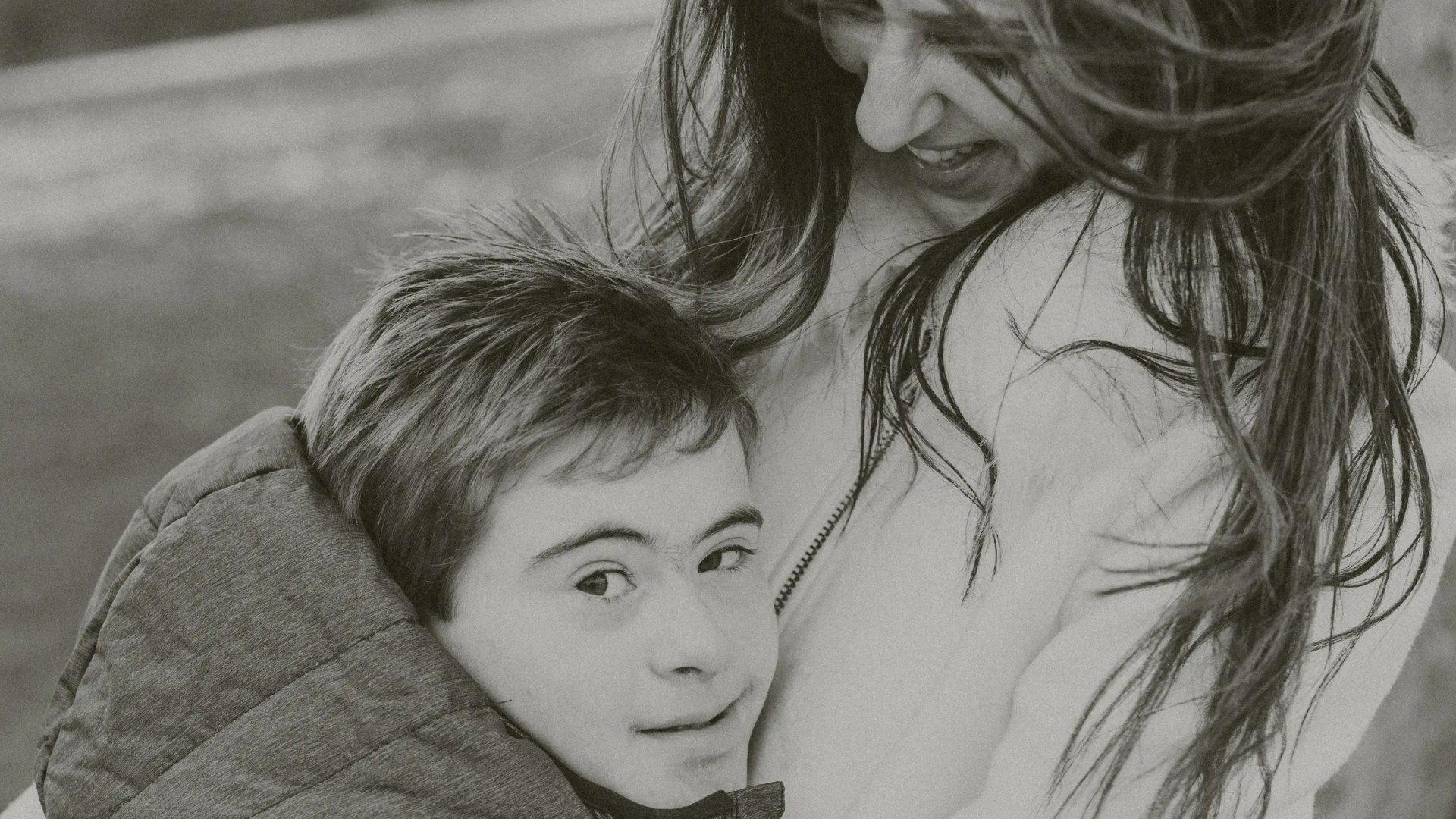
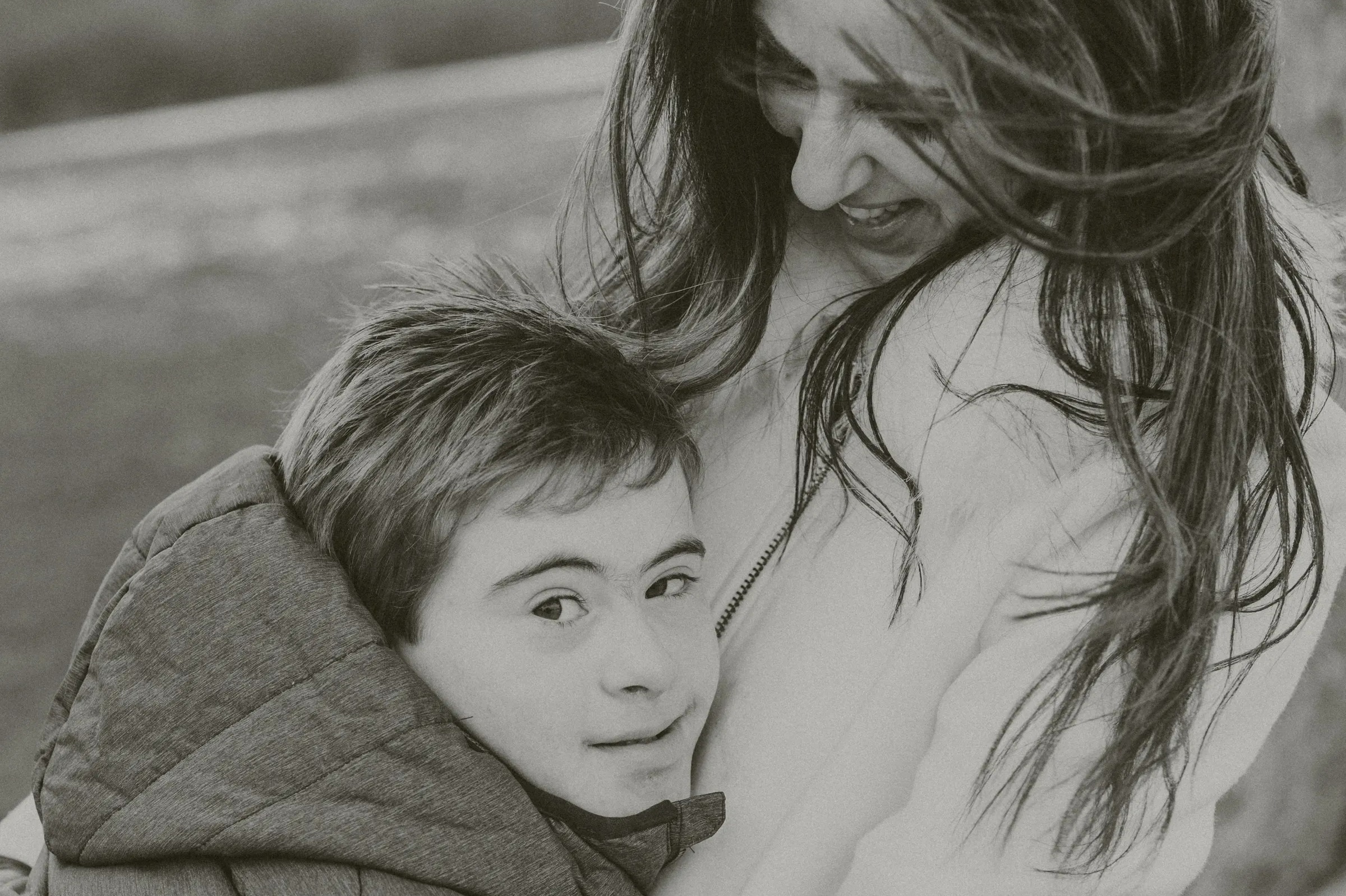
ANTONIO Galisi-Swallow was just 15 when he died in full view of strangers on a crowded hospital ward, his bedsheets covered in blood.
The teen, from Rotherham, had only just undergone major open-heart surgery – but within days, his mum and dad was forced to watch him pass away.
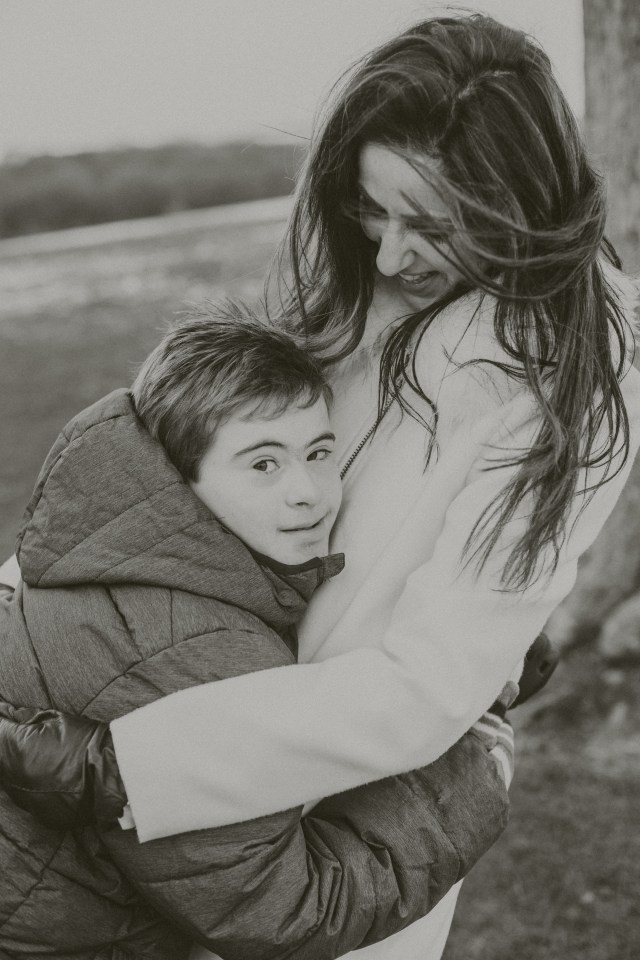
Antonio, who had Down syndrome, autism and ADHD, had the procedure in September 2021 to replace a pulmonary valve, which controls blood flow from the heart to the lungs.
The surgery itself was a success and he was taken to the paediatric intensive care unit (PICU) at Leeds’ Children’s Hospital to remain sedated on a ventilator while he recovered.
But in the following days his condition started to deteriorate as his temperature soared and blood pressure crashed.
An inquest into Antonio’s death held this month, Melina Galisi told the coroner how she repeatedly begged staff for help as her son deteriorated.
READ MORE ON HEART DISEASE

“Over the course of that day it was clear to me the doctors were concerned,” she told Wakefield Coroner’s Court.
Antonio’s body started to reject milk given to him through a feeding tube, which Melina said indicated his liver was not functioning properly.
She added that measures, including a cooling mattress, did not cause Antonio’s temperature to decrease.
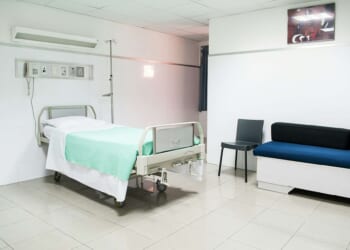
She said doctors suspected an infection, yet he was left on a ward with two other patients, one of them with a chest infection, despite how vulnerable he was.
“He started to deteriorate […] his temperature reached heights of 42C,” YorkshireLive reports.
“I spoke to a nurse and asked for him to be put in a private room… I was told they didn’t believe he was at risk,” she said.
The mum also claimed that one nurse assigned to his care admitted she was “not comfortable” looking after him and needed help calculating medication.
When Melina returned to his bedside, she found the bed rails down, meaning he could have fallen, and said the area was left “a mess”.
As the days passed, Melina noticed a rash spreading across his chest, swelling in his hands and feet, and fluid “oozing ” from his eyes and mouth.
“There was blood on his bedsheets,” she told the court.
She said she felt doctors were “keeping him alive for scientific insight”, adding: “I felt they were predators.”
On October 6, she said Antonio’s condition was so severe that staff discussed a CT scan and dialysis.
The court was told doctors had asked Antonio’s father for consent for the scan, rather than his mother.
His father, Mr Swallow, told the hearing: “I asked them not to do it… but it happened anyway.”
At around 3.45am the following morning, a nurse told Melina that Antonio’s heart had “stopped”.
“I shouted not to resuscitate and rushed to PICU where I saw them trying to,” she said.
“His father asked them to stop, which they eventually did.”
Mr Swallow added: “We knew he wasn’t going to survive, we just wanted him to die with a bit of dignity. Enough was enough.”
Antonio died on the unit on October 7, still surrounded by hospital staff and connected to tubes.
His mother said: “He died in front of everybody in the ward, with no privacy, naked, bleeding and pierced with tubes.
“The details of how he died will haunt me forever.”
Consultant Dr Imran Kassai, a consultant at Leeds General Infirmary, said Antonio had been expected to come off the ventilator and sedation the day after surgery “without complication”.
But by October 4, he was still on the breathing machine and being treated for infection, although “no risks were identified”.
His surgeon, Dr Ramesh Kumar, told the court Antonio’s learning disability needs had been planned for, as staff were worried he might pull out tubes if he woke suddenly.
He said Antonio couldn’t be taken off the ventilator in theatre because “he was needing a significant amount of pressure or oxygen”, so he had to remain sedated.
The court heard he was sedated with propofol, a drug Dr Kumar said was used “very rarely” and only when other sedatives weren’t suitable.
Staff had been “trying to identify a point where it would be safe to take him off it”.
Dr Kumar said he was “quite surprised” by how unwell Antonio became.
Possible causes, he said, included a reaction to medication or anaesthetic, propofol-related infusion syndrome, or an “acute catastrophic event” he said.