For the past five years, Henry Furniss has watched as his father’s vascular dementia has gradually robbed him of his memory, speech and mobility.
Retired London banker Valentine Furniss, 87, no longer understands that Henry is his son, or even a close family member. He struggles to formulate sentences, and needs full–time care at home to perform basic tasks.
Tragically, it is a situation which has become wearyingly familiar for Henry’s family.
Valentine’s father John, Henry’s grandfather, died of dementia in his 80s. And John’s younger brother, who had been a Battle of Britain pilot, also developed the condition, which affects nearly one million people across the UK and is the nation’s biggest killer.
Henry, 51, could have been forgiven for assuming that dementia was just something that ran in his family and that he too would inevitably face the disease himself.
But the former personal trainer, who lives near Guildford in Surrey with his wife and two teenage daughters, is taking a different view.
Buoyed by the growing swathe of research that suggests nearly half of all cases of dementia can be prevented, Henry is determined to change the pattern that has struck down too many men in his family.
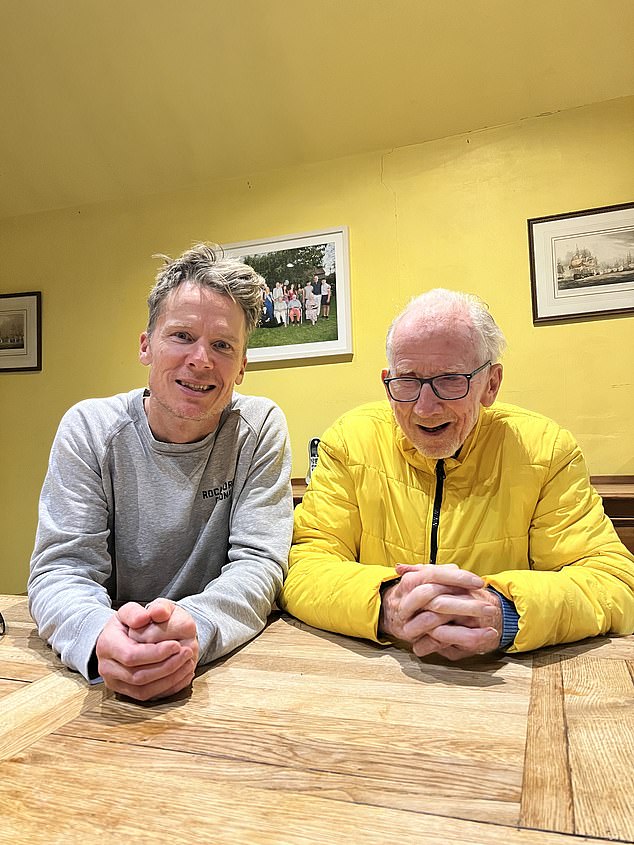
Retired London banker Valentine Furniss, 87, no longer understands that Henry is his son, or even a close family member
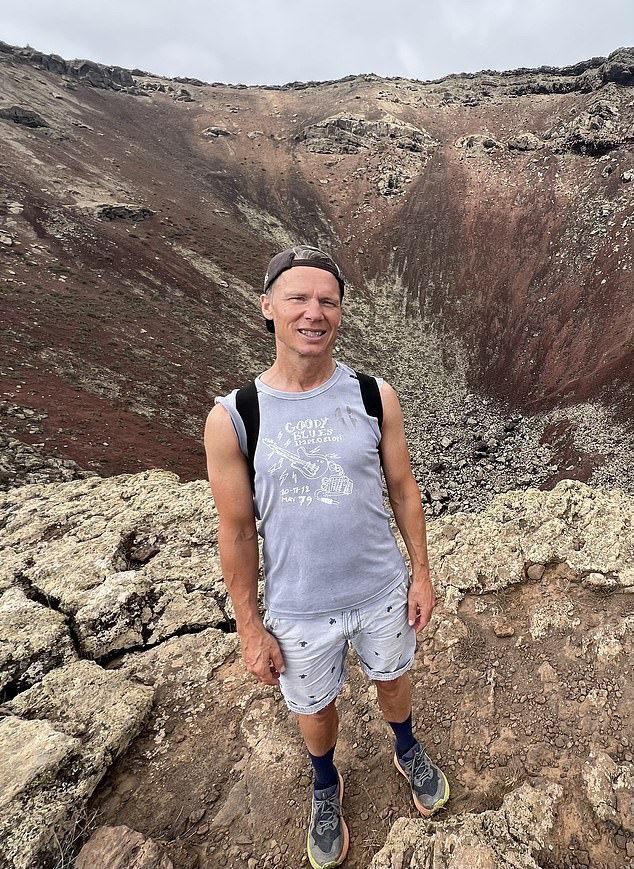
Henry is determined to change the pattern that has struck down too many men in his family
‘Everyone thinks their risk of dementia is written on the cards from the day they’re born, that it’s inevitable you’ll get it if it’s in your family,’ Henry says.
‘We’re also hardwired into thinking it might never happen to us.
‘But if you wait until then, it’s too late. We now know there’s a time in your life, in middle–age, when you’re defining your final chapters – you’re sealing your fate.
‘For my dad that was in the 1960s and 70s, when we didn’t have any concept of healthy lifestyles and how they could prevent disease.’

Everyone experiences dementia differently. Use this checklist to help you make a note of your symptoms before you talk to your GP.
Henry adds: ‘I have a different choice to make, and I want to make it not just selfishly, to prevent dementia, but to protect my family against the emotional distress this disease causes, and also the huge financial strain of paying for care.
‘If you know you could do that, and live many more years of healthy life without the burden of disease, why wouldn’t you?’
Dementia, which claims 76,000 lives a year in the UK, has long been one of our most feared diseases.
But The Mail on Sunday and the Daily Mail’s Defeating Dementia campaign, in association with the Alzheimer’s Society charity, aims to raise awareness of the condition and of the research and support available – including the fact that it is not, as is widely assumed, an inevitable disease of ageing.
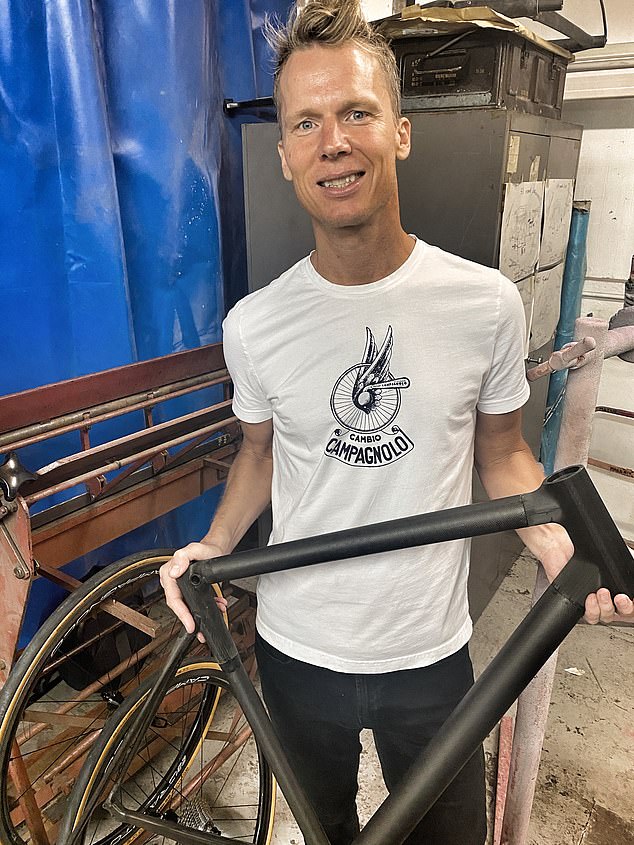
Henry, who runs a bicycle manufacturing business, began to think about his own risk five years ago, when his father was diagnosed
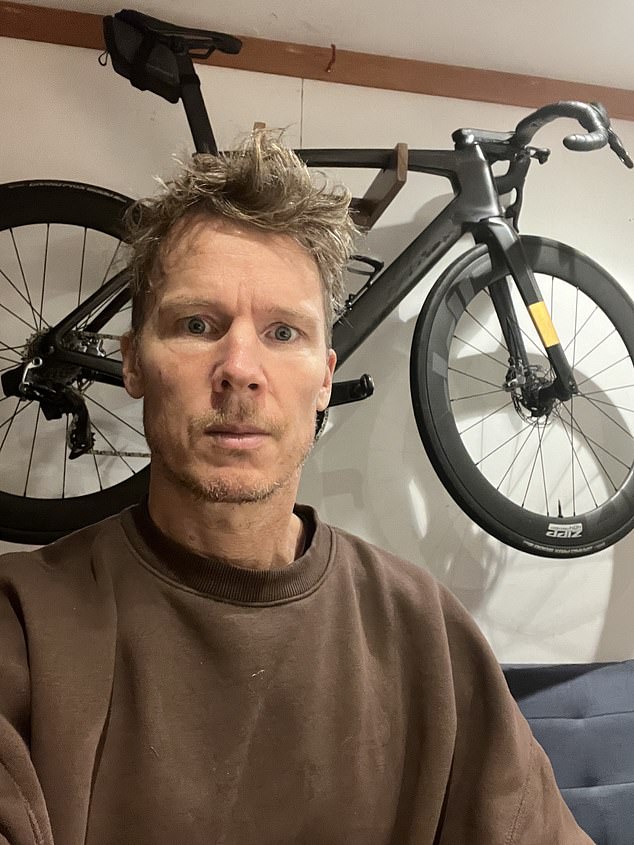
Henry, an elite cyclist who trains ten to 15 hours a week, now avoids overly processed food and those which are high in sugar, and mainly cooks fresh, whole produce from scratch
Risk factors include conditions such as type 2 diabetes, high cholesterol and high blood pressure, being overweight or obese, inactivity, social isolation, alcohol, smoking, sleep issues and even poor dental hygiene.
Henry, who runs a bicycle manufacturing business, began to think about his own risk five years ago, when his father was diagnosed.
‘We always considered Dad fit because he wasn’t overweight and played tennis a couple of times a week,’ says Henry.
‘But he was what I’d call a sedentary athlete, as he’d play tennis at weekends and spend all working days at his desk. He never drank water and would have coffee first thing, a beer or wine at lunch, and a gin and tonic in the evenings followed by more wine.
‘We now know no amount of alcohol is good for the brain.
‘If he’d had a worse lifestyle, perhaps he’d have developed dementia in his late 60s, rather than his 80s. But if he’d changed a few things, perhaps he could have delayed it until his 90s when, statistically speaking, he’d probably die of something else.’
Significant research suggests addressing the lifestyle factors which lead to dementia can delay the onset of the disease.
Henry, an elite cyclist who trains ten to 15 hours a week, now avoids overly processed food and those which are high in sugar, and mainly cooks fresh, whole produce from scratch. He prioritises quality sleep by avoiding screens in the evenings and eating meals early, within a 12–hour window.
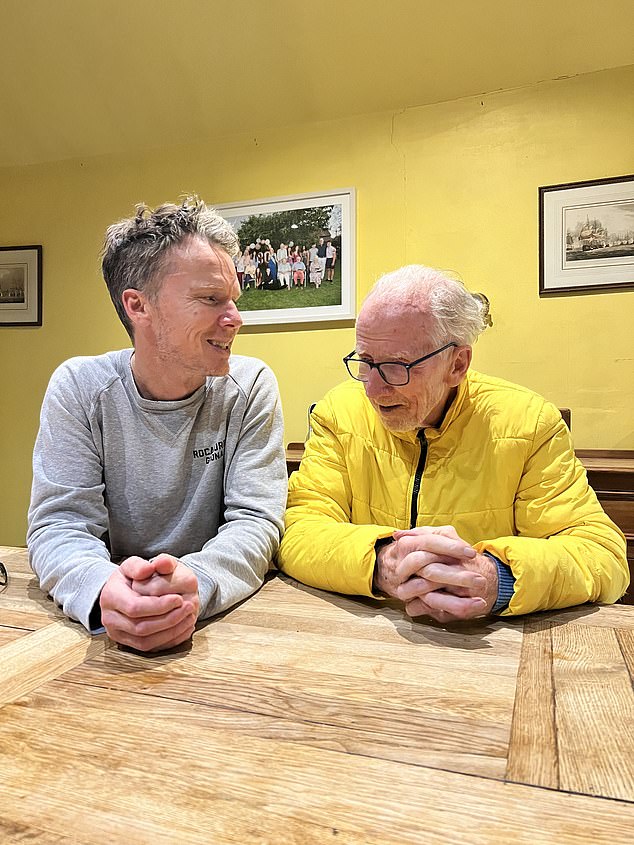
Valentine struggles to formulate sentences, and needs full–time care at home to perform basic tasks
He rarely drinks alcohol, flosses his teeth religiously, and keeps a close eye on his cholesterol, blood sugar and blood pressure. Henry’s lifestyle changes have also prompted his brother to overhaul his habits.
‘I’ve got friends my age who are on their second heart attack because of their lifestyles, so I’m very aware of that,’ Henry says.
‘Making these changes is hard, as society channels you into buying highly processed food and watching Netflix all night, but that’s so bad for you.
‘There’s enough evidence to suggest dementia is a lifestyle disease, like type 2 diabetes.
‘If you look at places like Japan or Sardinia, where people live until they’re 100, they’re just people who beaver around all day, tending to their gardens, growing their own vegetables, walking their grandchildren to school. All you need is to be more active.’
In October, Henry took on a 24–hour cycling challenge around London’s Regent’s Park, riding 421.5 miles without sleep, to raise money for the Alzheimer’s Society and Laureus Sport For Good, a foundation that uses sport to change young lives.
He and his team raised £7,575, but they are hoping to extend that total to £10,000.
Dr Richard Oakley, associate director of research and innovation at Alzheimer’s Society says that dementia is ‘not an inevitable part of ageing’.
‘The Lancet Commission, which was part–funded by the Alzheimer’s Society, found around half of cases globally are linked to modifiable risk factors – or things that can be changed either on an individual or societal level,’ he says.
‘We know that quitting smoking, keeping physically active, eating a healthy balanced diet and drinking less alcohol can all help reduce the risk of dementia.
‘We’re beginning to understand more about what increases our risk of dementia, but we’re only at the start of the path.
‘That’s why the Alzheimer’s Society funds dementia research, providing hope for the future while transforming lives today.’
Donate to Henry’s fundraiser by visiting justgiving.com/team/henryfurniss. Anyone concerned about their risk of dementia can learn more at alzheimers.org.uk