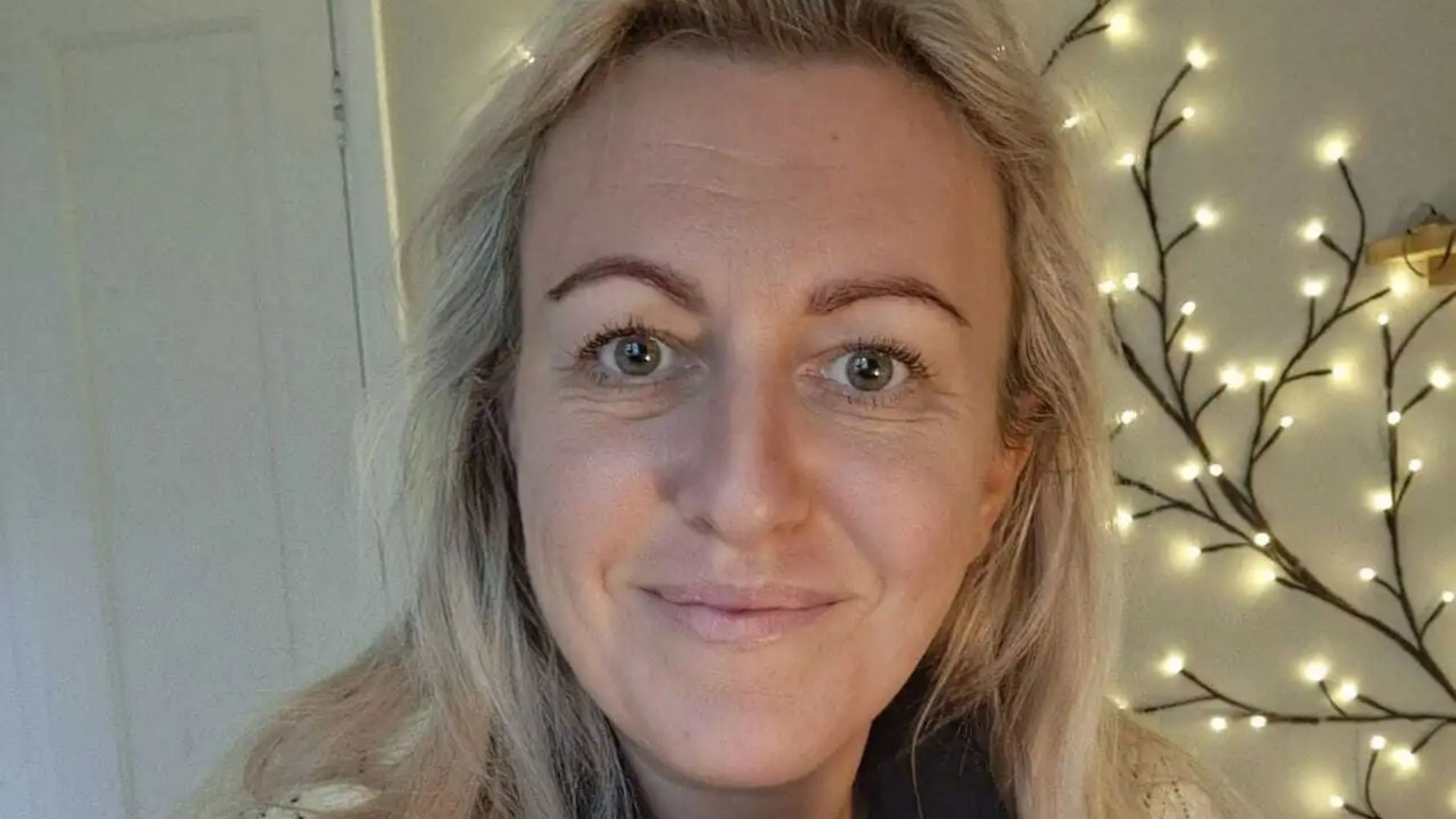
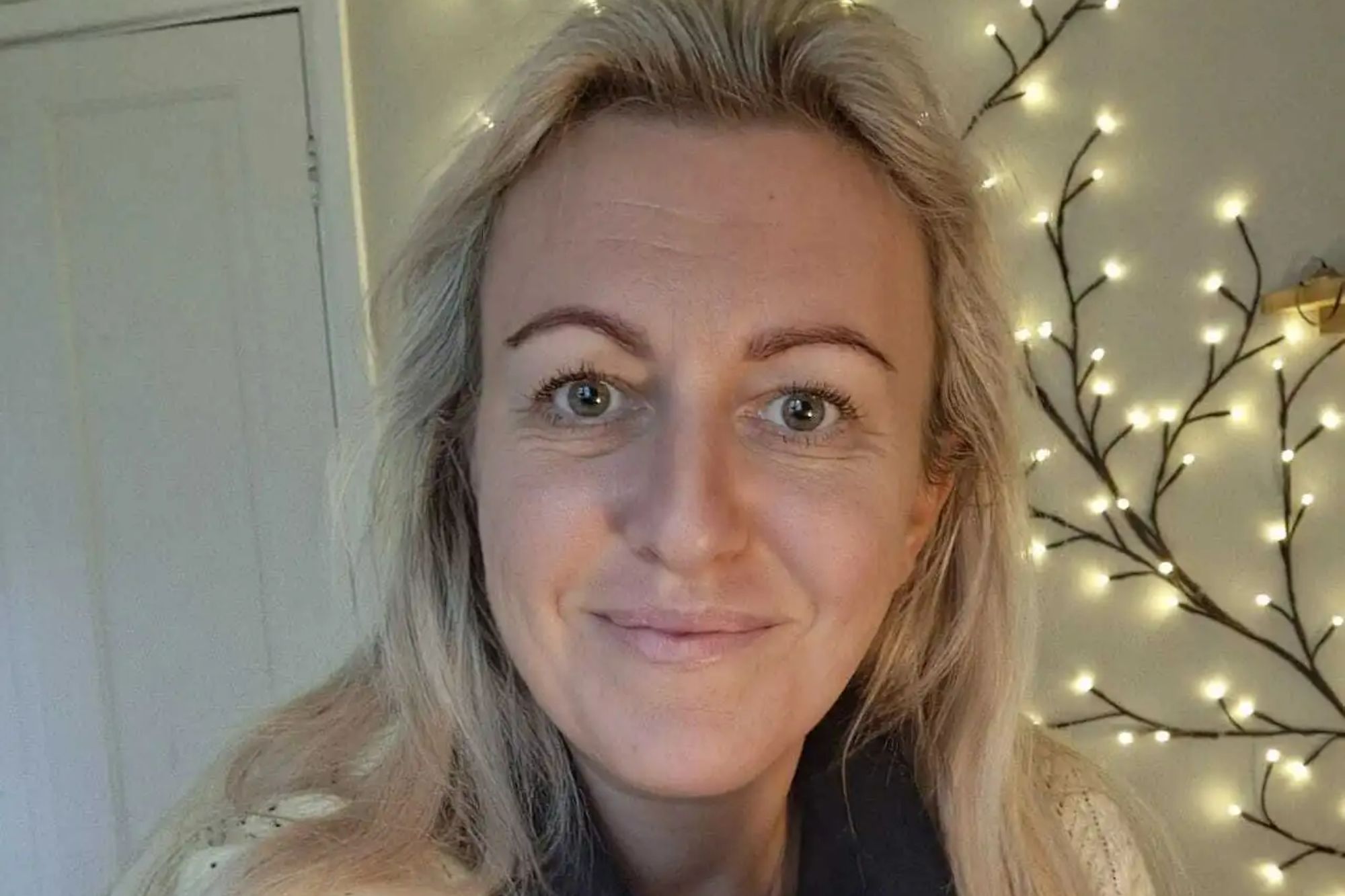
EMMA Haynes, 43, spent years feeling ‘controlled’ by her bladder – constantly anxious, embarrassed and exhausted.
The mum-of-three was worried she came across as a ‘weirdo’ on dates, needing to constantly pop to the loo.
She planned her whole adult life around toilets, but kept it a secret from others.
“Ever since I was young, I’ve had a weak bladder. I was always thinking about where the nearest toilet was,” Emma says.
“Going to the loo so frequently just became a way of living.”
She even had to pull over her car to pee in a bush when driving, a nightmare when she had courses for her business to attend to by car.
“Car journeys were the worst,” she admits.
“I’d have to stop constantly, sometimes pulling into filthy petrol station toilets, other times finding a quiet lane and weeing in a bush.
“It was humiliating, but I felt I had no choice.
“I would go to the toilet before I left to take my children to school and could not make the 20 minute journey before pulling over.
“I used to work in an office and it would just control me, colleagues would ask if I wanted a cup of tea and I would think that I would have loved one but I knew if I had one I would have to keep going to the toilet.”
But it was social situations that were most difficult for the massage therapist from Cambridge, who runs her own business, Willow Massage Therapy.
‘I would feel embarrassed all the time’
“When I was younger, going on dinner dates was difficult, as I had to keep leaving the table every few minutes to nip to the toilet,” she says.
“I felt really embarrassed – it is not something that comes up in conversation with someone you don’t know, and I remember going on dates and thinking he is just going to think I am a weirdo.
“Alcohol was a really bad trigger, I would bump into someone in the toilets and chat to them and before I had even left the toilets, I would need the toilet again.
“I would feel embarrassed all the time.”
Emma is one of thousands of women across the UK who has suffered life-long bladder weakness.
Though she never experienced leaks – also called incontinence – Emma assumed her weak bladder was something she simply had to put up with.
Emma says she has always remembered having a weak bladder, but noticed a further weakening after having her three daughters, now aged 12, 14 and 16.
When one of her massage clients spoke to her about her own incontinence, she recommended Jude capsules.
“She was really impressed by them, and personal recommendations really help,” Emma says. “I thought, why not try?”
CoreCTRL™ Bladder Health Supplement has been designed to support bladder health, from the organ’s tissue to the nerves that control it.
It contains Delta-7-sterols and zinc, for example, which have been studied for their role in supporting natural tissue stretch and elasticity.
Amino acid, glycine, magnesium and vitamin D3 are added to support the muscles of the bladder, so things like coughing add less pressure.
Why do you start needing to go the loo more?
One reason is the drop off in the female sex hormone oestrogen as we approach menopause.
Expert Katie Mann, clinical specialist physiotherapist in the NHS says: “This hormone helps keep the tissues of the organs, including the bladder and the pelvic floor muscles that help control it, strong and flexible.
“So, storage of urine and emptying of your bladder may not be as efficient as it used to be.”
Oestrogen has another job too: helping to keep the acidity level in your bladder steady.
When this starts to change, you are more at risk of urinary tract infections from bacteria.
This can irritate it and make it feel full, even when it isn’t.
This also sends confusing messages to your brain about when you need to wee, making it ‘overactive.’
If you’ve had bouts of cystitis over the years – and the hot, stinging urine that comes with it – your muscles may have gotten in the habit of tensing up when you empty your bladder.
“If you’ve had lots of infections, then you can get into the habit of going more, and this can become your new ‘norm’,” says Katie.
“More than three episodes of confirmed infection in a twelve-month period should be investigated – so speak with your GP.”
The brand claims women have better bladder health within 12 weeks.
A 12-week plan that the brand claims is all women need for a better bladder. It includes 180 capsules and 15 boosters, costing 83p per day.
Emma began taking Jude in October 2023, and noticed a difference within a few weeks.
“I realised I could hold on longer,” she explains.
“The constant urgency started to ease, and I wasn’t running to the toilet all the time.”
What made the biggest impact, she says, was realising she wasn’t alone.
“The Jude Facebook group helped me massively,” Emma says.
“Seeing other women going through the same thing, reading their tips and advice, it was such a relief and being part of that community really helped me see that other women, of all ages, were going through the same experiences as me.”
Inspired by others’ advice on the group, Emma also made small lifestyle changes, including switching to decaffeinated tea over a year ago.
“Every little lifestyle change added up,” she says, adding that she also avoids white wine.
“I had no idea caffeine was a trigger. And I had no idea that even certain foods can make it worse.”
She says she has reduced her intake of tomatoes, which “can be a trigger”.
Fears bladder will ruin the wedding
Gradually, the anxiety that had ruled her life began to fade.
“Now I can relax on car journeys and the 20-minute school run,” Emma says.
“I don’t have that constant worry that I’m going to need the loo any minute.”
While she still wakes up a few times a night to use the bathroom, she says it’s far less frequent than before she started taking Jude.
Last year marked a huge milestone for Emma: her wedding day.
For months, she worried about her bladder ruining her big day.
“I was so stressed about toilet trips,” she admits.
“I enjoy drinking alcohol, but I know it’s a trigger for my bladder, and I wanted to enjoy my wedding day without having to worry about getting to the bathroom.
“I was really worried about the frequency of my toilet trips – I was seeing friends and family I hadn’t seen for a while.
“Everyone looks at the bride and I was worried it would be obvious if I was getting up every ten minutes to go to the toilet.
“It was on my mind for a few months and I was contemplating not drinking.”
Once again, she turned to the online community for support.
“I reached out to like-minded ladies for advice, and that was invaluable,” she says.
“I upped my intake to three capsules a day for a couple of weeks around the wedding.
“My wedding day was perfect.
“I went six hours before feeling the urge to go. Six hours! That would have been unimaginable before.”
Today, Emma says Jude has given her something she hadn’t felt in years: freedom.
She says: “Through the capsules and the community it has given me a feeling that I am not on my own.”
7 ways to make your bladder more patient
Many women think an impatient bladder is just something they have to live with.
Research shows only half of women seek help for it – and if they do, they wait for five years to seven years to talk to their doctor, according to women’s chartered physiotherapist Christien Bird of the Whitehart Clinic in Surrey (whitehartclinic.co.uk).
Expert Katie also urges women not to wait for it to get worse.
She says: “Research has found that incontinence is a significant reason why women are admitted to care homes in later life.”
1. Rule out medical reasons
Needing the loo a lot could be a side-effect of some medicines, like some opioid painkillers or medication for high blood pressure.
It may also be a symptom of a urinary infection, diabetes or some nerve disorders.
So check with your GP first.
2. Cut back on the booze and coffee
The amount of coffee we drink has risen dramatically over the last ten years, with the average Brit drinking two cups a day on average.
But coffee is also a diuretic – which means it makes your body get rid of liquid more often.
Research has also found the caffeine it contains tends to irritate the walls of the bowel more, making them spasm.
Alcohol has the same effect, so limit booze consumption too.
3. Drink more water
Katie says: “Lots of women who have irritated bladders will cut their fluid intake so they make less visits to the loo,” says Katie.
“That’s actually counterproductive because this can concentrate your urine and make the bladder more irritable.”
If you find it hard to get into the habit, get a water bottle you like using, add flavourings like lemon or cucumber, or eat more water-rich foods like fruit and soups.
4. Lose that tummy fat
Putting on weight especially around the tummy area puts more pressure on your pelvic floor which supports your bladder.
Research has shown even losing 8 per cent of your body weight, usually around 15 to 20 pounds, can help and dial down bladder issues by as much as a quarter.
5. Get the ‘knack‘
If you know you’re going to jump, sneeze or cough, and there’s a chance some wee may leak out, you can contract your pelvic floor in anticipation and that can prevent loss of urine.
Katie says: “This is called The Knack.”
6. Sit down on the seat
While a lot of us don’t like our bottoms to hit the seat in public loos, it’s important not to hover as this does not allow your pelvic floor to relax completely while you empty your bladder, says Katie.
“Once you’re sure your flow of urine has finished, wait for another five to ten seconds.
“Sitting relaxed for a short while longer can allow this to come out and improve the signals between your bladder and brain.”
6. Train your bladder to be more patient
The muscles around your bladder in your pelvic floor are rather like a drawstring purse which gets pulled tighter.
But over time these can get out of balance; either weaker or tenser after childbirth, or they don’t respond quickly enough.
Finding the right set of exercises – often different sets of squeezes and releases – can give you back better control of your bladder.
An exercise routine should be tailored to your individual need, so it’s best to be referred to a specialist physio who can assess you first, give a tailored programme and monitor you, says Katie.
“Think of it as having a personal trainer for your pelvic floor!,” she says.
7. Get an app or a gadget
One option is Squeezy app, designed by pelvic health specialists, which comes with an exercise plan and diary reminders.
Or you can go one step further, and get a gadget which you can insert into your vagina like a tampon and which will measure the strength of your squeezes, and which you can monitor on your phone, as you get stronger.
For example, you could try an Elvie trainer, which costs £169 at www.elvie.com .
You may also be able to get one free on the NHS if you are receiving treatment.