AS a Saharan dust plume descends on the UK, millions could be left “coughing and wheezing” or suffering a dangerous health emergency, health experts warn.
Brits have been warned to shut their windows and stay indoors over the weekend, as the cloud of sand and dust sweeps in from North Africa.
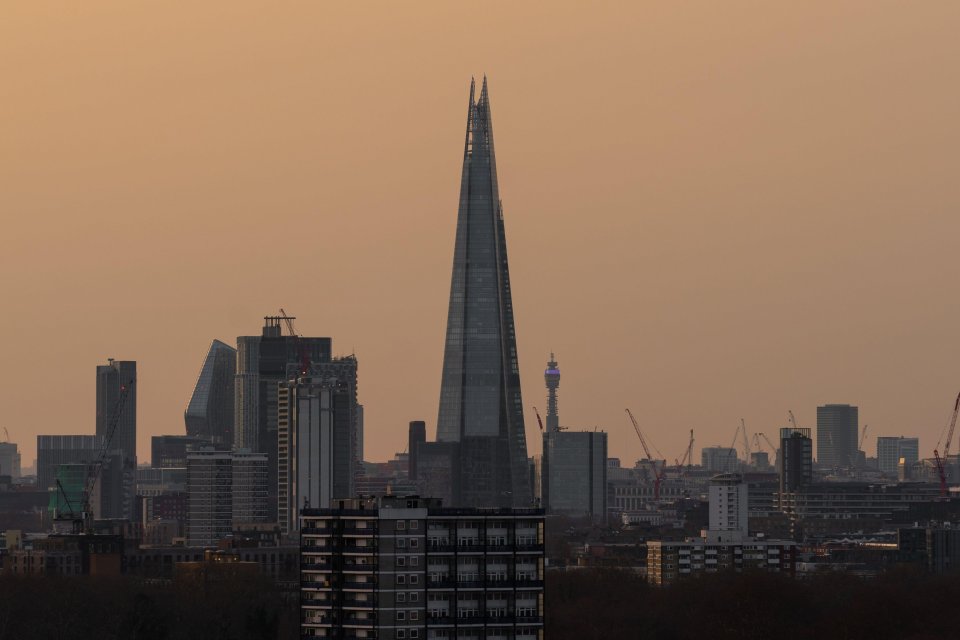
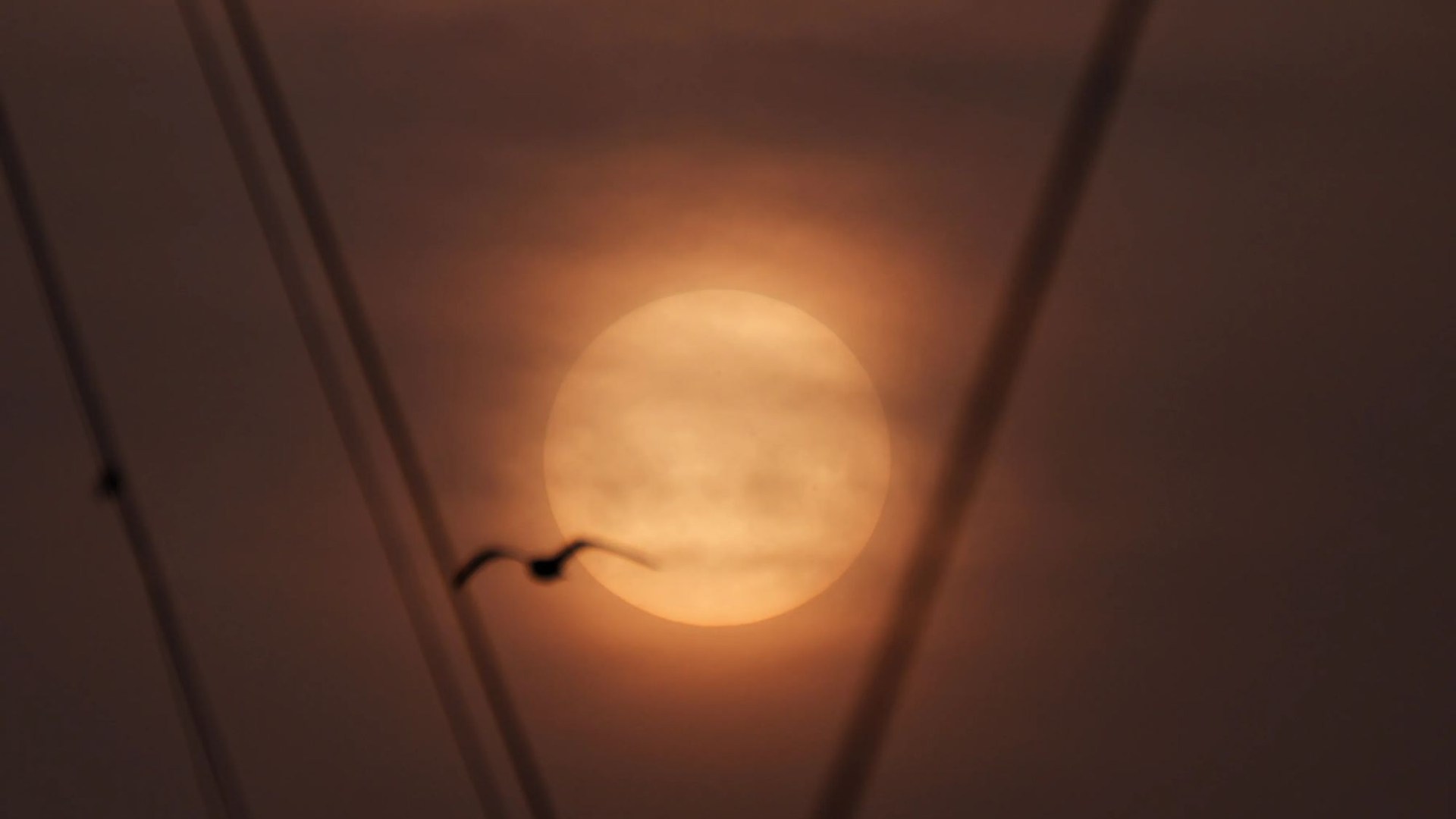
Forecasters say the particles have travelled thousands of miles before reaching British shores, and are set to dye ordinary sunrises and sunsets vivid gold, amber, and burnt orange.
They will be accompanied by balmy temperatures, with highs of 17C in some parts of the country.
But people with asthma or other lung conditions may not get to enjoy the spectacular displays, as dust particles could cause uncomfortable or even dangerous symptoms.
Karen Spillett, deputy head of health advice at Asthma + Lung UK, said: “Saharan dust could pose a serious risk to people living with asthma and other lung conditions this weekend.
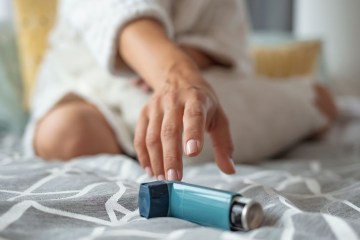
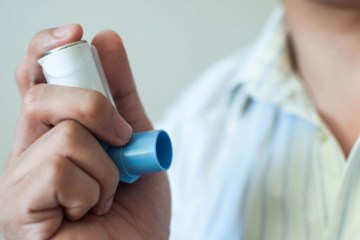
“The fine dust particles from the Sahara can cause irritation to the lungs, which could result in people coughing and wheezing more or producing extra mucus.
“This sort of irritation can result in asthma attacks and flare-ups of other lung conditions like chronic obstructive pulmonary disease (COPD).”
COPD is a common condition caused by lung damage and often affecting smokers, which makes it harder for air to flow through the lungs and leads to breathing difficulties that get worse over time.
A flare-up can see sufferers coughing up phlegm, wheezing and struggling to catch their breath.
Around 1.7 million people in the UK have COPD – though many don’t realise it.
Meanwhile, asthma is a chronic condition causing lung inflammation, which affects 7.2 million Brits.
People can get symptoms like wheezing, breathlessness, a cough or a tight chest.
When these come on intensely and suddenly – triggered by exercise, allergens or weather changes – this is called an asthma attack.
In some cases, attacks can be life-threatening.
Karen explained: “Saharan dust is a form of air pollution.
“In a recent survey, almost half of people (49 per cent) surveyed said their lung condition was triggered by breathing in toxic air.”
To avoid dangerous symptoms, Karen advised people with lung conditions to take steps to reduce their exposure to the Saharan dust cloud, which included staying indoors.
“We recommend keeping windows closed and, if the dust is causing symptoms, to stay in where possible,” she said.
“If you do go out, consider showering and changing clothes when you come back inside in case you are carrying dust on your clothes.”
How to stay safe in Saharan dust cloud
- Limit outdoor activities and exercise so you avoid breathing in too much polluted air.
- Go out earlier in the day when air quality tends to be better.
- Keep your car windows closed if you’re driving, especially if you’re driving in slow-moving traffic.
- Check pollution levels in your area. Defra produces a UK-wide pollution forecast every day, and for the next five days, so you can check to see if your local area is likely to be affected.
Source: Asthma + Lung UK
The expert also advised people to follow their self-management or asthma action plan and to know what to do if they do have an asthma attack or exacerbation.
“People with asthma should keep their reliever inhalers with them in case their symptoms get worse and should continue to take preventer inhalers as prescribed,” she said.
If you’ve been struck down by a winter bug like flu recently, that’s also something to consider as the dust cloud blankets the UK.
Karen said viruses can make the lungs more prone to damage from air pollution.
She said: “Their [flu sufferers] lungs might already be more inflamed than usual, and the Saharan dust could make their breathing worse.
“That is why we always encourage people with lung conditions to take their preventer medication every day as prescribed and to check their inhaler technique with a healthcare professional.”
The plume is expected to settle on southern parts of the UK in particular.
Symptoms of an asthma attack
The most common symptoms of asthma are:
- Coughing
- Wheezing (a whistling sound when breathing)
- Breathlessness
- A tight chest
An asthma attack is when your symptoms get much worse. It can happen suddenly or build up gradually over a few days.
Other red flags include:
- Your reliever inhaler does not seem to be helping as much as usual, or you need it more often
- You’re finding it difficult to walk or talk
Source: Asthma + Lung UK