A MAJOR money app has launched a new feature based on a viral TikTok challenge and it could help you save £600 this month.
Savings and investment app Plum has launched a No Spend Challenge to help users stow away some extra cash this January.
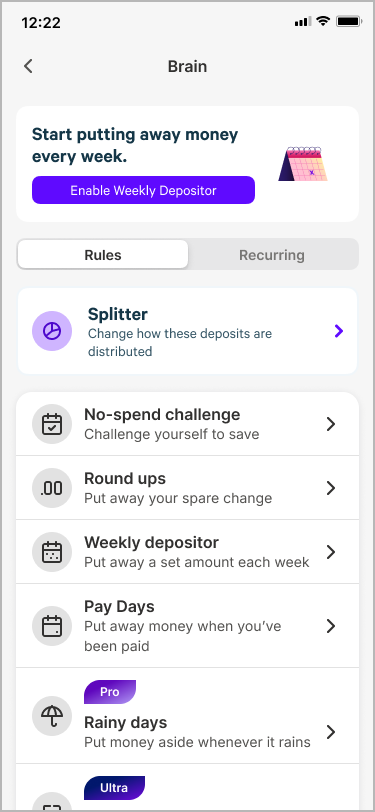
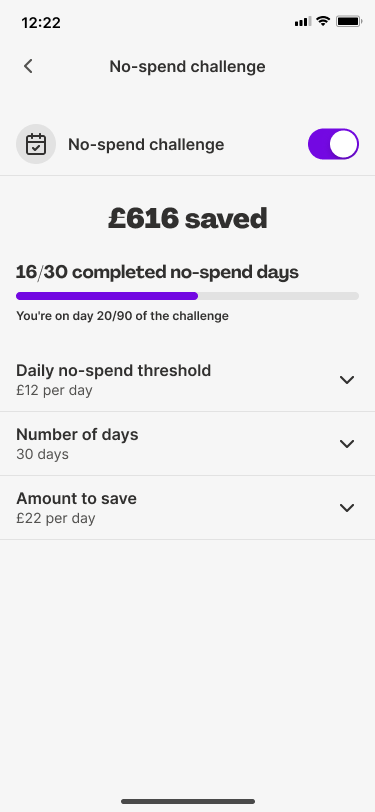
To take part in the free challenge, you must link the smart money app to your bank account so that it automatically sets money aside.
Savers set a daily limit on how much they can spend to ensure they have enough for essential spending like transport.
Each time they don’t exceed the threshold, the user will save a chosen amount (£5, £20 etc).
You can take part in the challenge for up to 90-days, but other options include 14 days, 30 days or 45 days to suit their budgets and savings ambitions.


And even using the challenge for the duration of January could help you save up to £600.
For example, is you set a no-spend limit of £5 and save £20 each time they don’t exceed the limit for 30 days, they could save £600 plus any money they’ve saved from not spending on unnecessary purchases.
Rashmi V D’Souza, VP of Product at Plum, said:“January is the time of year when many of us are feeling the brunt of the aftermath of Christmas spending, and maybe even regretful for going overboard.
Plum’s new ‘No Spend Challenge’ is the ideal antidote to this, and has been designed to help thousands of people who may traditionally struggle to save, to kickstart their new year by instilling positive money habits.
The fintech has taken inspiration from the internet challenge where households commit to spending money on nothing but essentials for a month or even a year.
Participants often vlog their progress on TikTok, with the trend garnering over 200million views.
Jess, a 33-year-old influencer, previously told The Sun she took part in such a challenge and saved over £1,000 in a month.
It’s just one way to build up a pot of cash in the new year.
For example, Monzo is launching its 1p Saving Challenge in January for a second year.
If you have a current account with the online bank you can sign up and you’ll instantly get a Challenge Pot created in your app.
The challenge lasts for 365 days, from the day you save your first penny.
On day one, it will automatically add 1p to your pot, and an extra penny will be added each day after that.
More money saving challenges YOU can take part in over 2026
By James Flanders , Chief Consumer Reporter
There are plenty of other spending challenges you can take part in to save some cash in the New Year.
The 52-week challenge
The 52-week challenge ramps up the pressure slowly throughout the year and leaves you with £1,378.
This challenge works by getting participants to put aside £1 for the first week of the year, £2 for the second week, £3 for the third, and so forth.
You keep increasing the deposit by a pound each week until you reach the very end of the year.
While the amounts start small, you need to be careful because the weekly savings target grows much bigger right when money is tightest.
You will have to put away the largest sums around Christmas, with a total of £202 required in the final four weeks of the year alone.
Before you start, you should consider if that will be too much of a stretch during the expensive festive season.
However, you can always flip the challenge on its head and start off with the biggest amount of £52 in the first week and work your way down to just £1 at the end of the year.
If you can stick to it, the payoff is huge as you will pocket a whopping £1,378 to start the following year.
100 envelope challenge – save £5,050
If you are someone who uses lots of cash rather than cards, the 100 envelope challenge could be the golden ticket to a £5,000 fortune.
To get started, you simply label 100 envelopes from one to 100 and place them all into a container or a box.
Every day you pick out one envelope at random and put the exact amount of money written on the front inside that envelope.
For instance, if you pull out the envelope with £93 written on the front, you must put £93 in cash inside it.
If you are short on time or space, you can buy special folders online that come with 100 pockets inside specifically for this challenge.
Once 100 days have passed and every envelope is filled, you will have successfully squirrelled away a massive £5,050.
If that figure feels a bit too daunting for your budget, you could try the same method with just 50 envelopes, or you could slow the pace down by picking one envelope per week instead of every day.
Round-up challenge – save £100s
The round-up challenge is one of the easiest “set it and forget it” methods to build a nest egg without even realising you are doing it.
In this challenge, you round up any money that you have spent to the nearest pound and put the extra cash straight into a savings account.
For example, if you spend £9.50 on a lunchtime treat or a grocery item, you save the extra 50p.
It works just as well for larger amounts, so if you buy something that costs £19.30, you round it up to £20 and send the 70p difference to your savings pot.
Although it might sound like small change, the money adds up incredibly quickly if you do this with every single transaction you make.
Several high street banks including NatWest, Monzo, Starling and Chase will actually allow you to do this automatically through their online banking apps.
Andrew Hagger, founder of money advice website Moneycomms, says this is a flexible option because you can always withdraw the money back into your current account if you need it.
He explained that most banks offer this option and it is a useful habit that helps build your savings balance day by day because you are squirrelling away money without realising it.
If your bank does not offer this feature, you can use clever money-saving apps like Emma and Plum to do the hard work for you.
Read more of James’ tips HERE.
So you’ll save 2p on day two, 3p on day three, and so on, until you put away £3.65 on the final day. If you complete the challenge you will save up to £667.95.
What is the Plum app?
Plum is an app that works out how much you can afford to save and then sets it aside for you.
There’s no fee or penalty for withdrawing your money, and savings stashed away with Plum are protected by the Financial Services Compensation Scheme (FSCS).
You can earn up to 3.20% AER in Plum’s easy-access interest account – but you could find better interest rates elsewhere.
There are four different options when you sign up for Plum, each unlocks various benefits and has a different price.
For example, its basic free package allows you to save automatically using the AI algorithm, with unlimited withdrawals and deposits.
You can use some smart saving rules, such as the no-spend challenge.
Meanwhile, its Max account priced at £14.99 month in the UK and you can get a 3.84% AER on your instant access saving account.
How you can do your own no spend challenge
NO spend challenges are all over TikTok and Instagram right now.
Some people pick certain days where they don’t tap their card at all, while others choose not to spend on anything “non-essential”.
The best part is you can choose how to do your own no spend challenge.
You could decide to do it just for a day and see how it goes, or you could do it once a week or once a month.
Or, like Jess, you could take it further and try it for a whole month.
The best way to get started is to work out what your “essential” costs are and how much you need to set aside for those.
This could be your rent, electricity bill, water bill, council tax and internet.
You should make sure you still pay for these even during your no spend challenge.
Falling behind on bills can land you in hot water and end up costing you more money in the long-run.
But you can make up your own rules about how strict you want to be with yourself on non-essentials – and what you class as a non-essential.
For example, you might want to set aside a certain “buffer” amount that you’re allowed to spend.
Or if you’re just doing it for a day, you might decide not to tap your card at all.
Make sure you plan ahead if you’re going to do this so you have food in the house and you’ve considered any social plans you might be going to.