French President Emmanuel Macron has reappointed Prime Minister Sebastien Lecornu who resigned four days ago after less than a month in the job.
‘The president of the republic has nominated Mr Sebastien Lecornu as prime minister and has tasked him with forming a government,’ the Elysee Palace said in a statement.
On Monday, Macron accepted Lecornu’s resignation, just 27 days after being appointed in the position, the Elysee Palace said, plunging the European nation further into political deadlock.
The sudden resignation came just hours after Lecornu, the former armed forces minister, appointed his new cabinet.
After weeks of consultations with political parties across the board, Lecornu, a close ally of Macron, on Sunday had appointed his ministers, and the cabinet had been set to hold its first meeting on Monday afternoon.
But parties across the board in the National Assembly fiercely criticised the composition of Lecornu’s cabinet, which was largely unchanged from Bayrou’s, and threatened to vote it down.
Opponents and allies alike, either found it too rightwing or not enough, raising questions on how long it could last, at a time when France is already mired deep in political crisis, with no group holding a majority in a fragmented parliament.
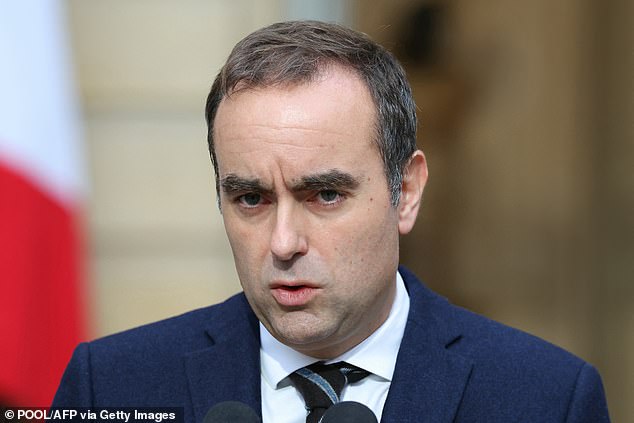
French President Emmanuel Macron has reappointed the French Prime Minister Sebastien Lecornu (pictured) who resigned four days ago after less than a month in the job
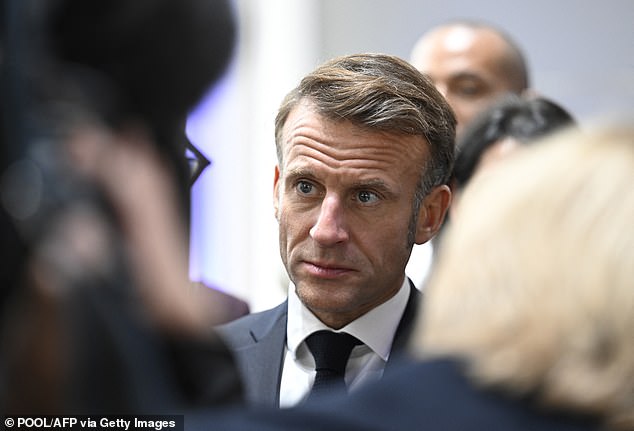
On Monday, Macron (pictured) accepted Lecornu’s resignation, just 27 days after being appointed in the position
Macron’s decision to call a snap parliamentary election last year deepened the crisis by producing an even more fragmented parliament.
Lecornu was Macron’s fifth prime minister in two years following the toppling of François Bayrou and his government in a confidence vote.
Bayrou gambled that lawmakers would back his view that France must slash public spending to rein in its huge debts. Instead, they seized on the vote to gang up against the 74-year-old centrist who was appointed by Macron last December.
He had wanted to cut the equivalent of some £35billion from public spending – with national debt currently sitting at 114 per cent of GDP.
And he specifically wanted to cut two public holidays, and freeze pensions and welfare payments, while making thousands of civil servants unemployed.
Bayrou officially submitted his resignation in September after lasting just nine months in office.
Major rioting then swept across France less than 24-hoursafter Macron appointed Lecornu.
The chaos was all linked to a ‘Let’s Block Everything’ campaign ultimately aimed at forcing Macron to resign.