THE remains of one of France’s most legendary musketeers have been discovered beneath a church in the Netherlands.
Archaeologists believe the freshly unearthed skeleton belongs to Count d’Artagnan, a close aide to Sun King Louis XIV.
Real name Charles de Batz de Castelmore, the historic figure was killed during the Siege of Maastricht in 1673.
It is believed d’Artagnan died from a chest wound caused by a musket bullet.
However, he was posthumously immortalised in the stories of Alexandre Dumas as a friend of the Three Musketeers.
He features alongside Aramis, Porthos and Athos in one of Dumas’ most famous works.


The remains were long rumoured to be buried in the grounds of St Peter and Paul Church, but no evidence had ever been found.
More than 350 years after his death, deacon Jos Valke says he is almost certain the body belongs to the man himself.
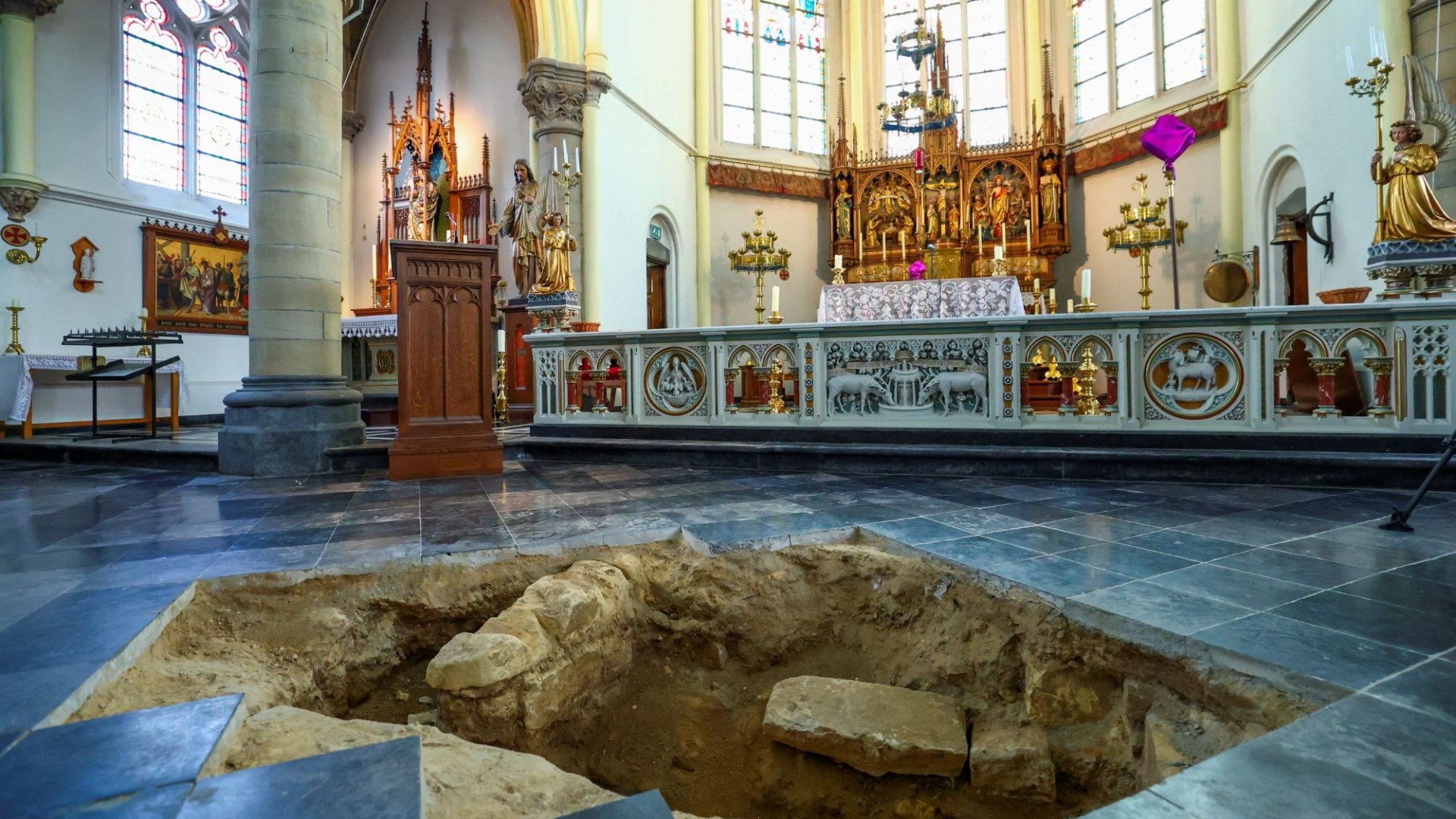
Valke said nobody has dug beneath the church floor until now, but after a few tiles broke they decided to take a look.
After stumbling across a wall, they decided to call an archaeologist instead of digging into it themselves.
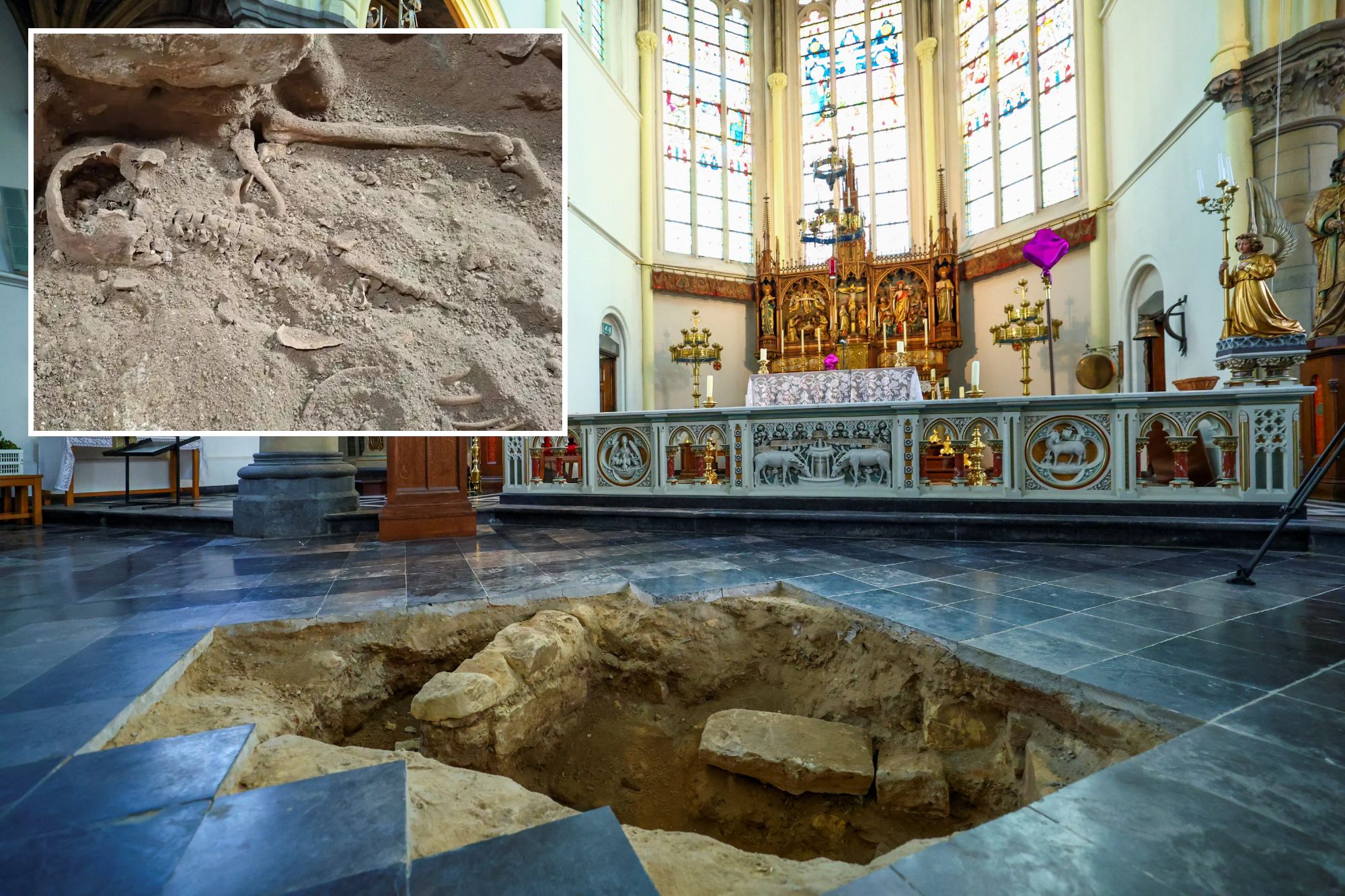
It was at this point they discovered the skeleton beneath where the altar had stood for the past 200 years.
“We became quite silent when we found the first bone,” Valke said, adding that there were several indicators that suggested the skeleton belonged to Count d’Artagnan.
“He was buried on sacred ground below where the altar was,” Valke said.
“We found the bullet that put an end to his life and we found a coin from 1660 in his grave, and it was from the bishop who attended Mass for Roi Soleil.”
While this has the potential to be the discovery of a lifetime, the archaeologist who took part in the excavation has urged caution.
“I’m a scientist, but my expectations are high,” Wim Dijkman told public broadcaster Omroep Limburg.
He said that he would prefer to wait for DNA confirmation of the skeleton’s identity before popping the champagne corks.
A sample of the remains is currently being analysed in Germany, while some of the bones have been sent to Deventer to assess their age, origin and gender.
“I’ve already been researching d’Artagnan’s grave for 28 years. This could be the highlight of my career,” said Dijkman.
D’Artagnan was Louis XIV’s right-hand man on a number of matters.
When news of his death reached the King, he reportedly told his wife: “I lost d’Artagnan who I trusted completely and who could do anything.”
Today d’Artagnan has a statue dedicated to him in Maastricht, symbolic of both his “courage and friendship”.