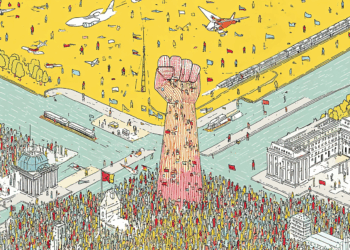
Immigration – both legal and illegal – is a hot topic in Western nations. Governments are taking measures to restrict the flow. And citizens are debating how to maintain a national identity while integrating those bringing different cultures and values.
In the United States, the issue has gone from boil to broil in the wake of two recent events – the shooting of two National Guard members (one of whom has died) and revelations of large-scale fraud in the use of Minnesota’s pandemic relief funds.
The alleged perpetrators are from communities made up largely of legal immigrants: An Afghan national, who served alongside American troops, has been charged in the shootings, and the large majority of those arrested in the fraud case have Somali roots.
President Donald Trump has now halted all immigration requests from Afghanistan (and 18 other countries) and ordered a reexamination of “every single” Afghan allowed into the U.S. since its 2021 military withdrawal. He also called for immigration raids in Minneapolis, using derogatory language about Somalis.
Pursuing justice and controlling immigration are a government’s rightful prerogatives. It is also not unreasonable, as The Washington Post wrote, “to expect new arrivals to be enthusiastic about their adopted country,” adding, “And the reality is that most are.”
“American society and … Minnesota have been extremely good to Somalis,” a Somali American professor told The New York Times. Many who fled their country’s civil war and corruption, he noted, had learned to survive through illegal means. Now, the illegal actions of some burden the entire community, another Somali American told the Times, making “it easier for people already inclined to reject us to double down.”
As with Somalis, thousands of Afghan immigrants are also building lives and community connections around the country. “It would be a shame if this single act of betrayal [the National Guard ambush] became the excuse for deporting all Afghan refugees in the U.S.,” The Wall Street Journal wrote.
To thrive, democracy requires trust and respect for individual dignity and cultural contributions. As more people avoid collective condemnation or assigning of guilt by association, that will help uphold calm and reasoned action. Just a few days after 9/11, then-President George W. Bush visited a mosque and urged Americans not to avenge the attacks by lashing out at innocent Arabs and Muslims. After the 2015 Charlie Hebdo magazine killings in Paris, France’s president voiced similar sentiments, as did the British prime minister last year after three girls were killed by a young man of Rwandan ancestry.
Will something similar now occur in the U.S. to prevent collective punishment of all Afghans and Somalis living here? If so, standing up for this simple justice would make America safer.