Labour is ‘squeezing the life out of’ the hospitality industry and must extend its proposed U-turn on pub taxes to other firms, leading hoteliers have told the Mail.
As the backlash over the Chancellor’s botched business rates reforms mounts, Sir Rocco Forte described it as ‘a mess of the government’s own making’.
And he told the Mail it ‘is frankly embarrassing that the Treasury has been trying to claim it didn’t understand the impact of its own policy’.
His comments were echoed by the boss of the Hilton hotel group in Europe who said companies ‘up and down the country face a perilous moment’ due to ‘punitive’ increases in business rates.
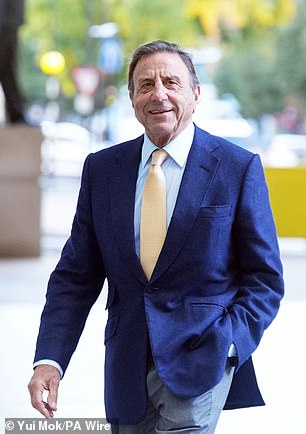
Hotelier Sir Rocco Forte
‘Looming business rates hikes, coupled with increased national insurance contributions, high energy costs and tourism taxes, are impacting profitability and threatening jobs and growth. And it’s entirely avoidable,’ said Simon Vincent, president of Hilton in Europe, the Middle East and Africa.
And in a further rebuke to the government, the chief executive of Travelodge said: ‘Hotels cannot be hung out to dry on business rates.’
Rachel Reeves is now scrambling to put together a relief package for pubs – sparking fury across the wider industry amid signs they will miss out.
Dominic Paul, the boss of Premier Inn owner Whitbread, this week warned the planned hikes in business rates will have a ‘damaging’ impact on the hotel industry and called for a ‘hospitality-wide approach’.
He said Whitbread is facing a £35million increase in its business rates bill in 2027 with bigger increases expected thereafter.
Joining the backlash yesterday, Forte, who is chairman of Rocco Forte Hotels, said his group was facing a 115 per cent increase in business rates over the next three years.
‘A temporary sticking plaster solution targeted only at pubs will go nowhere near far enough,’ he said.
‘This is not fair and sustainable — and many other types of business, ranging from pharmacies to gyms, are also going to be hammered.
‘A bold, ambitious government would be looking at real rates reform to level the playing field between online businesses who pay little or nothing and bricks and mortar businesses which bear the brunt.’
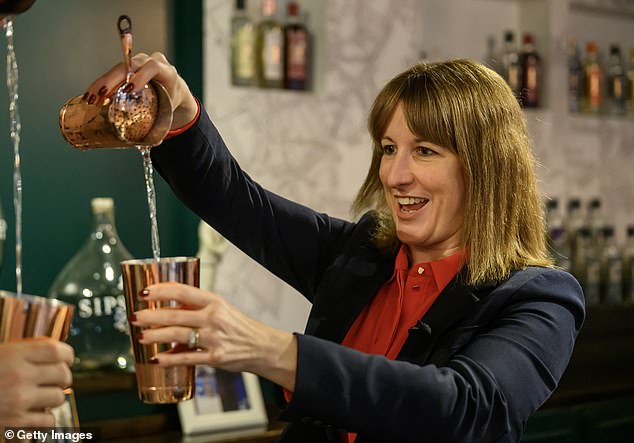
Rachel Reeves has been accused stifling job creation and economic growth
Hilton’s Vincent pointed out that hospitality often provides ‘a first step into the world of work’ for youngsters – providing a vital service a time when youth unemployment stands at 16 per cent.
‘Ministers say they want to encourage growth, reinvigorate communities, and reduce welfare dependency, yet their policies tell a different story,’ he said.
‘Layer upon layer of extra costs are squeezing the life out of the hospitality sector and disincentivising employment.
‘The punitive business rates faced by hotel businesses will stifle job creation and economic growth.’
And he said that while governments in countries such as Greece and Egypt are ‘working hand in hand with hospitality’ to boost the economy, the UK ‘risks pricing itself out of the market by burdening investors with more taxes and regulation’.
Vincent added: ‘The government must act to ensure hotels are included as part of a sector-wide solution for business rates relief.’
Echoing his comments, Travelodge chief executive Jo Boydell said: ‘Hotels are facing some of the steepest increases of any sector. For Travelodge alone, our business rates bill in England is set to almost double over the next three years. Yet the signals suggest that current discussions on additional support may focus elsewhere. That would be a real missed opportunity.
‘If hotels are excluded from support, the impact will not just be felt on balance sheets. It will affect investment decisions, new hotel developments and, ultimately, jobs across the country.
‘No one disputes that business rates fund vital local services. But a system that deters investment and new developments ultimately shrinks the tax base and undermines the government’s stated aim around growth.’
Avantis Hotels, a family run firm which owns and operates three Hilton hotels in York and St Albans, said it faces a 152 per cent rise in its business rates bill over the next three years – an extra £1.18million.
‘It’s a hammer blow to the industry that strips out cash for jobs, improvements and investment,’ said Avantis Hotels director Ravi Majithia.
‘If the UK wants entrepreneurship, regional growth and locally owned hospitality businesses, policy must back long-term risk takers, not punish them.
‘If the government makes it harder for business owners and entrepreneurs, capital and investment won’t stay in the UK, it will move.’
Hospitality firms ‘face a perilous moment’ as tax bill soars, warns Hilton hotels chief
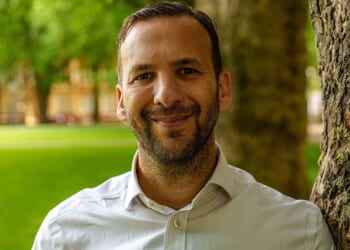
By Simon Vincent, President for Europe, Middle East and Africa at Hilton
Hospitality is one of the UK’s greatest success stories. It is our third-largest employer, contributing 10 per cent of GDP, and the largest employer of young people – nearly 39 per cent of the workforce is aged 16–24. Over 19,000 people work at Hilton’s hotels in the UK.
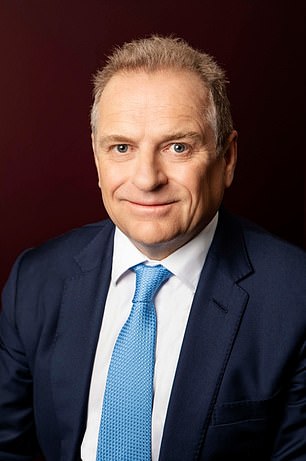
Hilton executive Simon Vincent
Yet, as we head through January, traditionally the toughest month for our industry, hospitality businesses up and down the country face a perilous moment. Looming business rates hikes, coupled with increased national insurance contributions, high energy costs and tourism taxes, are impacting our hotel owners’ profitability and threatening jobs and growth. And it’s entirely avoidable.
With youth unemployment soaring to 16 per cent, and more than half a million young people out of work, hospitality offers a vital solution. It provides a first step into the world of work and skills that last a lifetime – lessons I personally benefited from in my very first job at a local restaurant. It is also a lifeline for those not in education, employment, or training, offering a vast range of life-long employment opportunities – from finance, architecture, and sales, to engineering, marketing and technology.
Hospitality also creates opportunities for people with learning disabilities, as evidenced by the successful partnerships we have in place across the UK to train and employ individuals with Down Syndrome and other disabilities.
Latest policy developments threaten to put this at risk. Ministers say they want to encourage growth, reinvigorate communities, and reduce welfare dependency, yet their policies tell a different story. Layer upon layer of extra costs are squeezing the life out of the hospitality sector and disincentivising employment.
The punitive business rates faced by hotel businesses will stifle job creation and economic growth and will impact profitability of our hotel owners and franchisees, many of them small and medium-sized enterprises. One of our hotel owners, Avantis Hotels, a small family run business which owns and operates three Hilton hotels in York and St Albans employing almost 100 people, faces a 152 per cent increase in business rates over the next three years, meaning an extra £1.18million in costs across their three properties.
It’s these hotels, vital to their communities, creating jobs, training, and supporting local businesses through their extensive supply chains, that are suffering under the weight of rising costs.
In my role covering over 1,500 hotels across 85 countries, I see governments such as Greece and Egypt working hand in hand with hospitality and the tourism economy as an engine of growth and opportunity, supporting local developers to open new hotels and create jobs. The UK, which ranks 50th in Europe for capital investment despite being the continent’s third-largest hotel market, risks pricing itself out of the market by burdening investors with more taxes and regulation.
Hilton has a proud 60-year legacy in the UK and remains deeply committed to the British hospitality industry. We understand the challenges facing the government but now, more than ever, the UK needs every lever of growth. And that’s why the government must act to ensure hotels are included as part of a sector-wide solution for business rates relief.
Otherwise, we will see severe long-term effects on jobs, the economy and the cost of travel for hard working British families.
DIY INVESTING PLATFORMS
AJ Bell
AJ Bell
Easy investing and ready-made portfolios
Hargreaves Lansdown
Hargreaves Lansdown
Free fund dealing and investment ideas

interactive investor
interactive investor
Flat-fee investing from £4.99 per month

Freetrade
Freetrade
Investing Isa now free on basic plan

Trading 212
Trading 212
Free share dealing and no account fee
Affiliate links: If you take out a product This is Money may earn a commission. These deals are chosen by our editorial team, as we think they are worth highlighting. This does not affect our editorial independence.