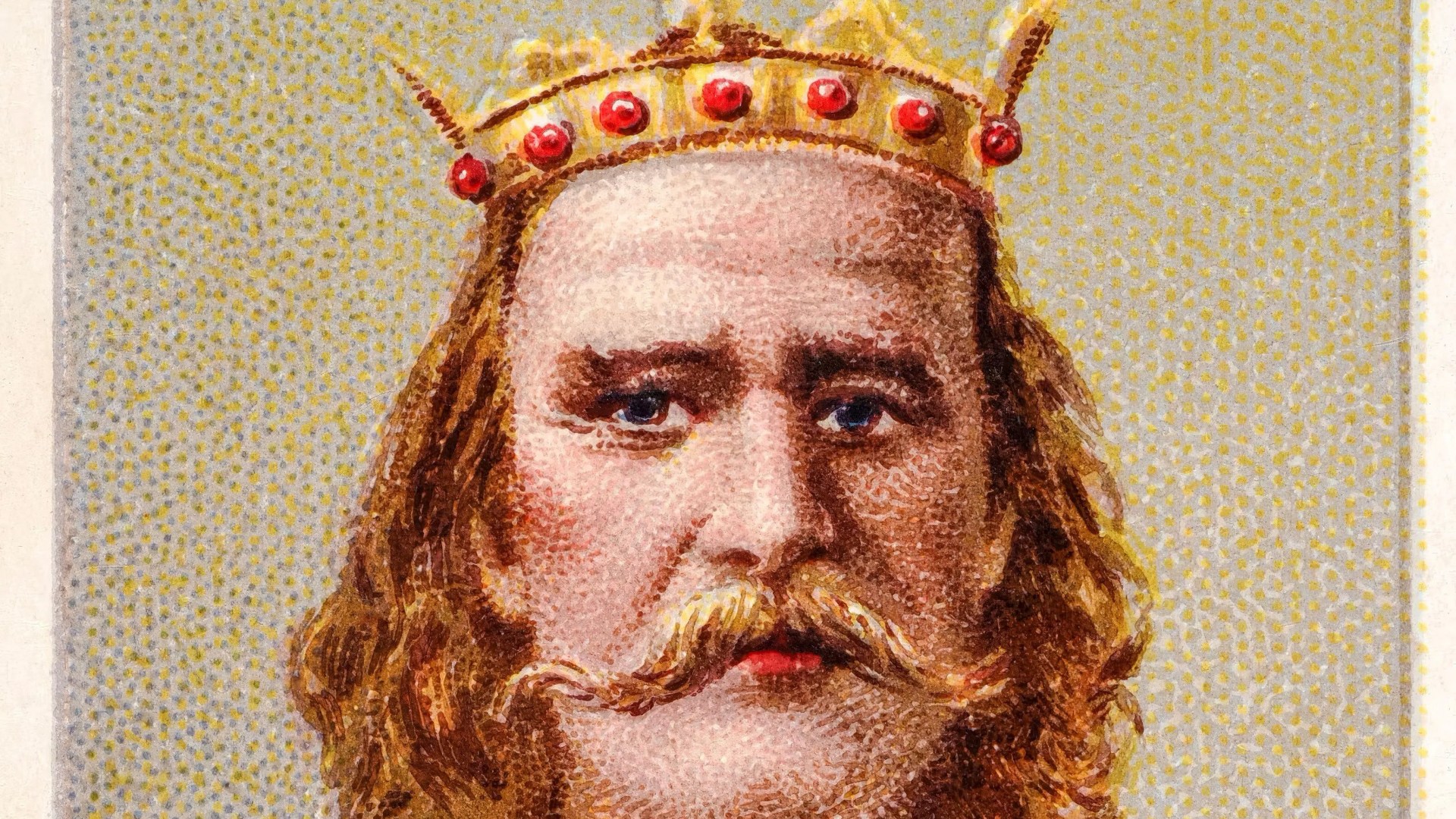
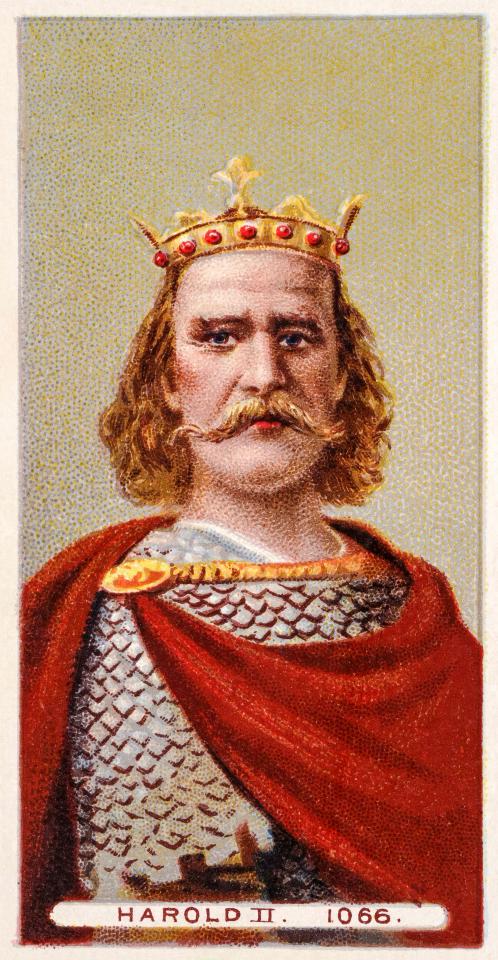
KING Harold’s 200-mile march to Hastings in 1066 is a myth, claims a historian.
New research suggests his army sailed there before Harold is said to have died from an arrow in the eye in battle with William the Conqueror.
Prof Tom Licence cast doubt on the theory that Harold had already dismissed his fleet at the South Coast, leaving him no choice but to hurry his troops from Yorkshire.
The Anglo-Saxon Chronicle, which recorded the events, stated that the ships “came home” — a phrase Victorian historians believe meant that he disbanded his navy.
Instead Mr Licence says the ships sailed north to back Harold’s fight against Norway’s Harald Hardrada, then returned to their London base with his men aboard — before continuing to Hastings in East Sussex.
He said: “I checked the evidence for him having sent the fleet home and found it was just a misunderstanding. I went looking in the sources for evidence of a forced march and there wasn’t any.


“Harold’s campaign was not a desperate dash across England — it was a sophisticated land-sea operation.”
Harold first defeated Norwegian invaders at Stamford Bridge, East Yorks.
The idea of weary men then marching 200 miles in ten days on medieval roads is implausible, said Prof Licence, of the University of East Anglia.
He said: “Only a mad general would have sent all his men on foot in this way if ships were available.”
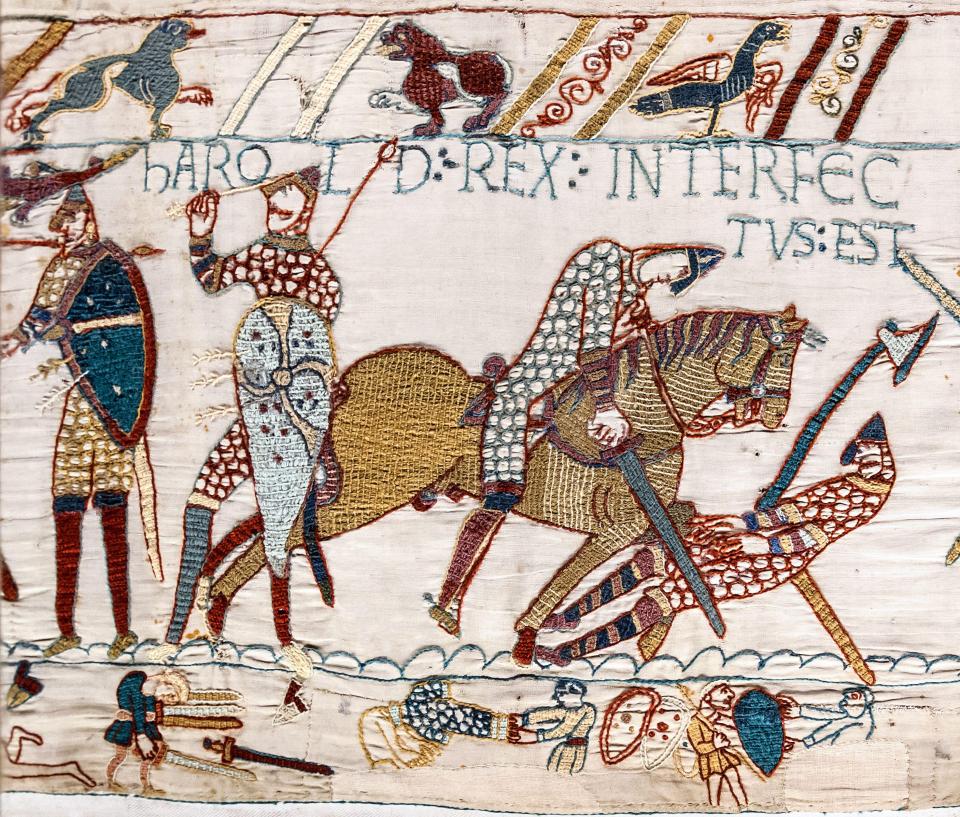
The Bayeux Tapestry, depicting the battle, travels from France to the British Museum later this year.
English Heritage’s Roy Porter said: “Harold’s response may have been far more sophisticated than previously understood.”