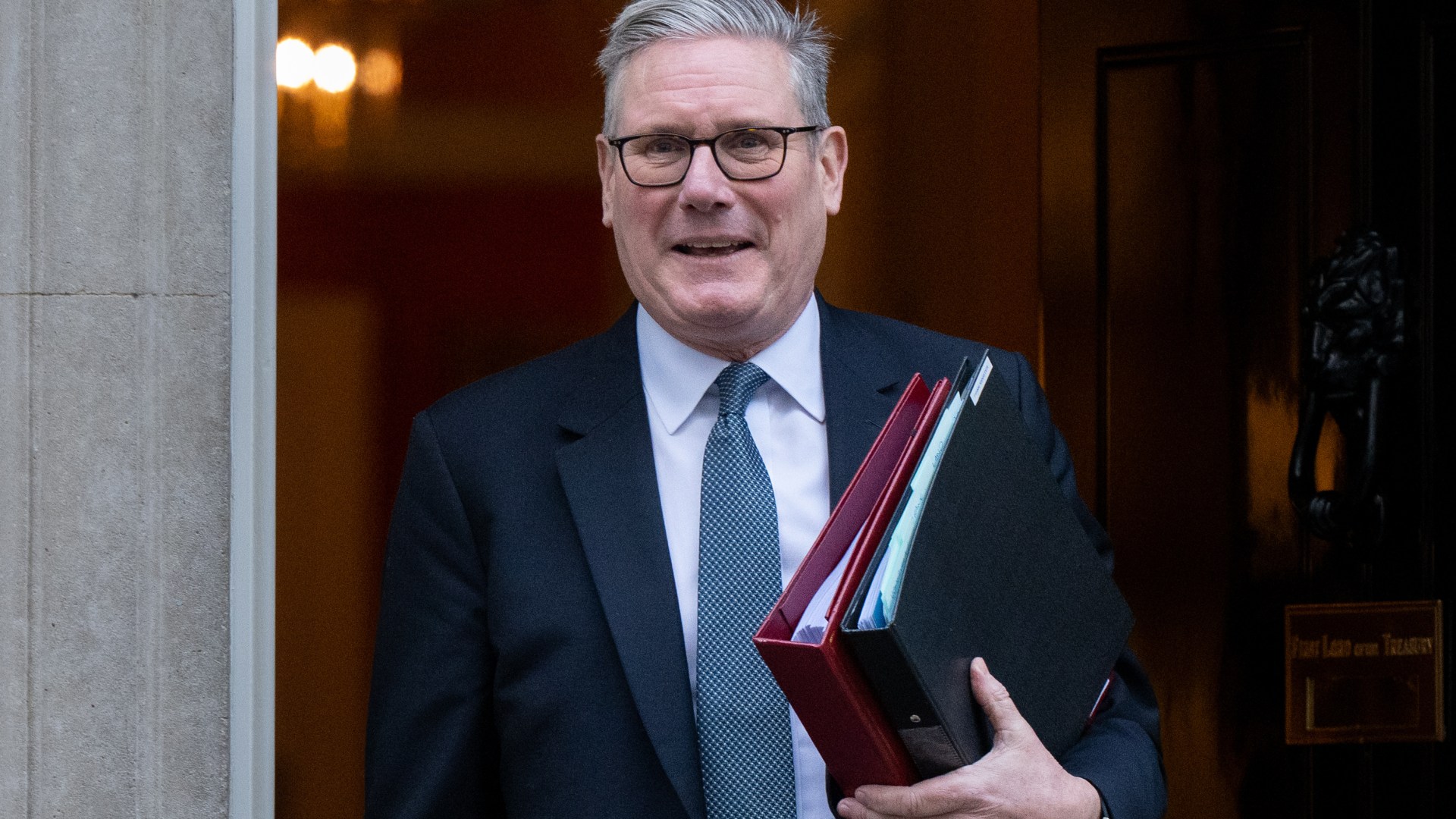
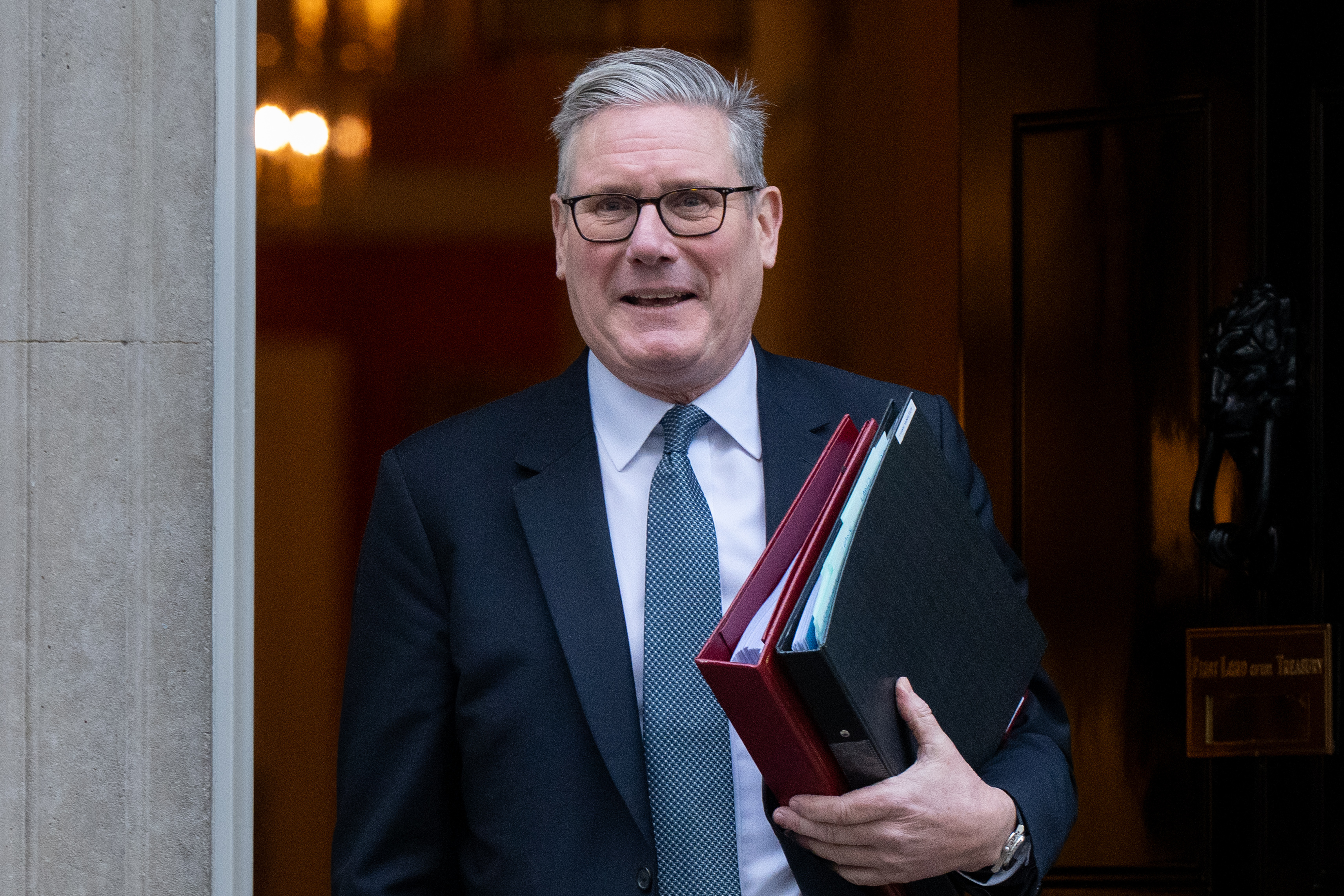
SIR Keir Starmer is watering down his controversial mandatory digital ID plans following a fierce backlash.
The PM is understood to be dropping the requirement for all workers to carry a specific card on their phone.
Instead people will be able to show prospective employers other forms of ID such as e-visas or a passport.
The government insisted Brits would still have enforced digital right-to-work checks and will set the full details out shortly.
It added: “Digital ID will make everyday life easier for people, ensuring public services are more personal, joined-up, and effective, while also remaining inclusive.”
The climbdown, first reported by Politics Home, is being attacked as yet another Labour u-turn following repeated row-backs during the party’s 18 months in office.

Unveiling the scheme in September last year Sir Keir said: “Let me spell it out, you will not be able to work in the United Kingdom if you do not have digital ID.”
He claimed it would help tackle the scourge of illegal working in Britain, but came under pressure to drop the plans including from Labour MPs.
Tory shadow justice secretary Robert Jenrick said: “This was always a terrible idea which wouldn’t have made any difference to tackling illegal migration.
“Starmer just lurches from one appalling misjudgment to the next.”
Fellow Tory MP Mike Wood added: “While we welcome the scrapping of any mandatory identification, this is yet another humiliating U-turn from the Government.
“Keir Starmer’s spinelessness is becoming a pattern, not an exception.
“What was sold as a tough measure to tackle illegal working is now set to become yet another costly, ill-thought-out experiment abandoned at the first sign of pressure from Labour’s backbenches.”
Before the climb-down anyone starting work would have to show a digital profile that links to a central database.
Officials could then instantly check if someone is entitled to be employed in the UK and cross-match the data with tax records.
Workers previously only needed to hand over paper documents – but these can be forged, and dodgy employers can pretend checks have been done when they have not.
The controversial plans for digital ID were met with a lot of pushback even among Labour with some senior figures in the party split on the issue.
Yvette Cooper, now Foreign Secretary, was once sceptical as Home Secretary, preferring e-visas that track migrants’ movements instead.
But the Prime Minister previously gave his full support to the scheme, which was set to become mandatory as a means of proving the right to work.