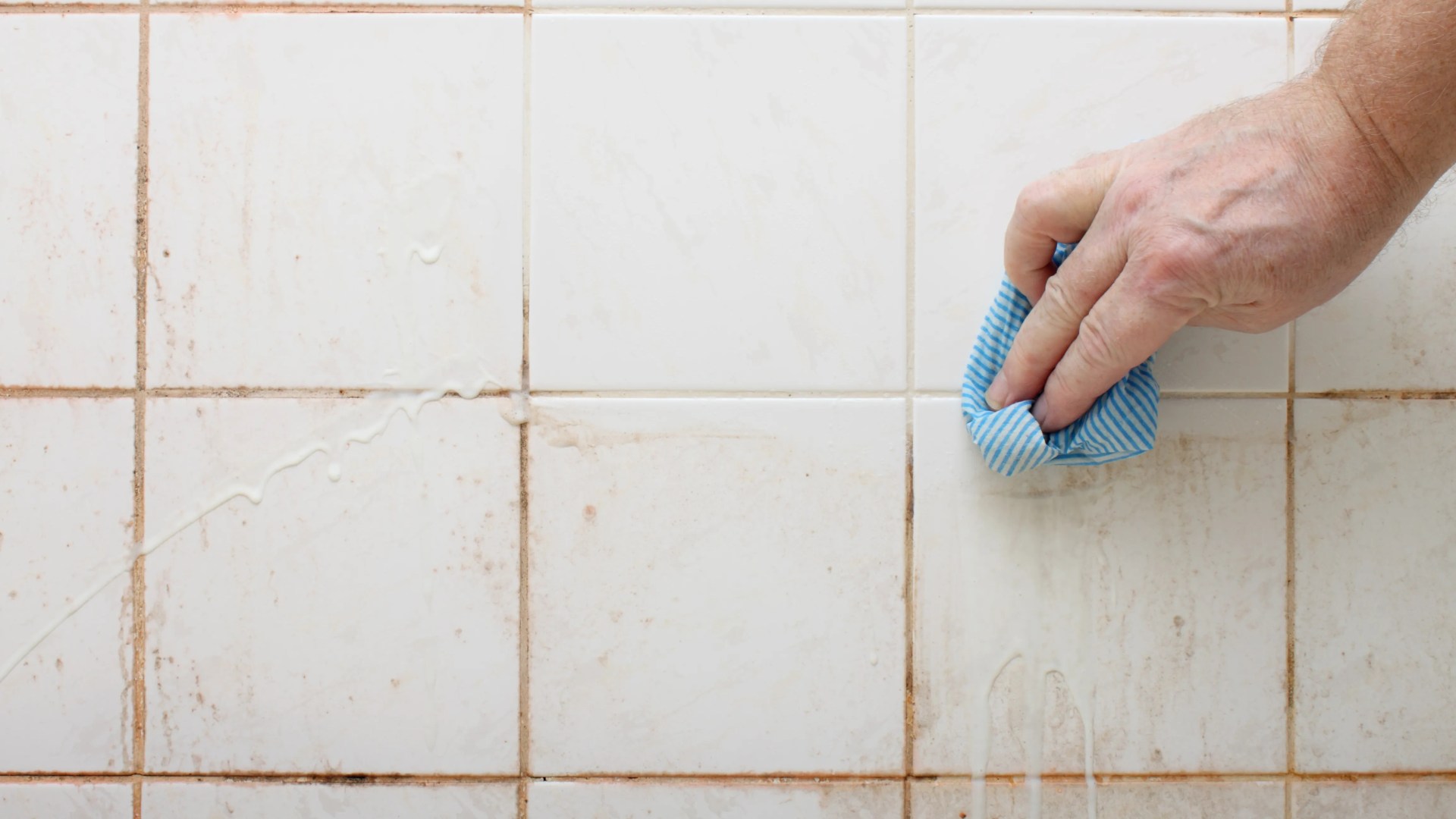
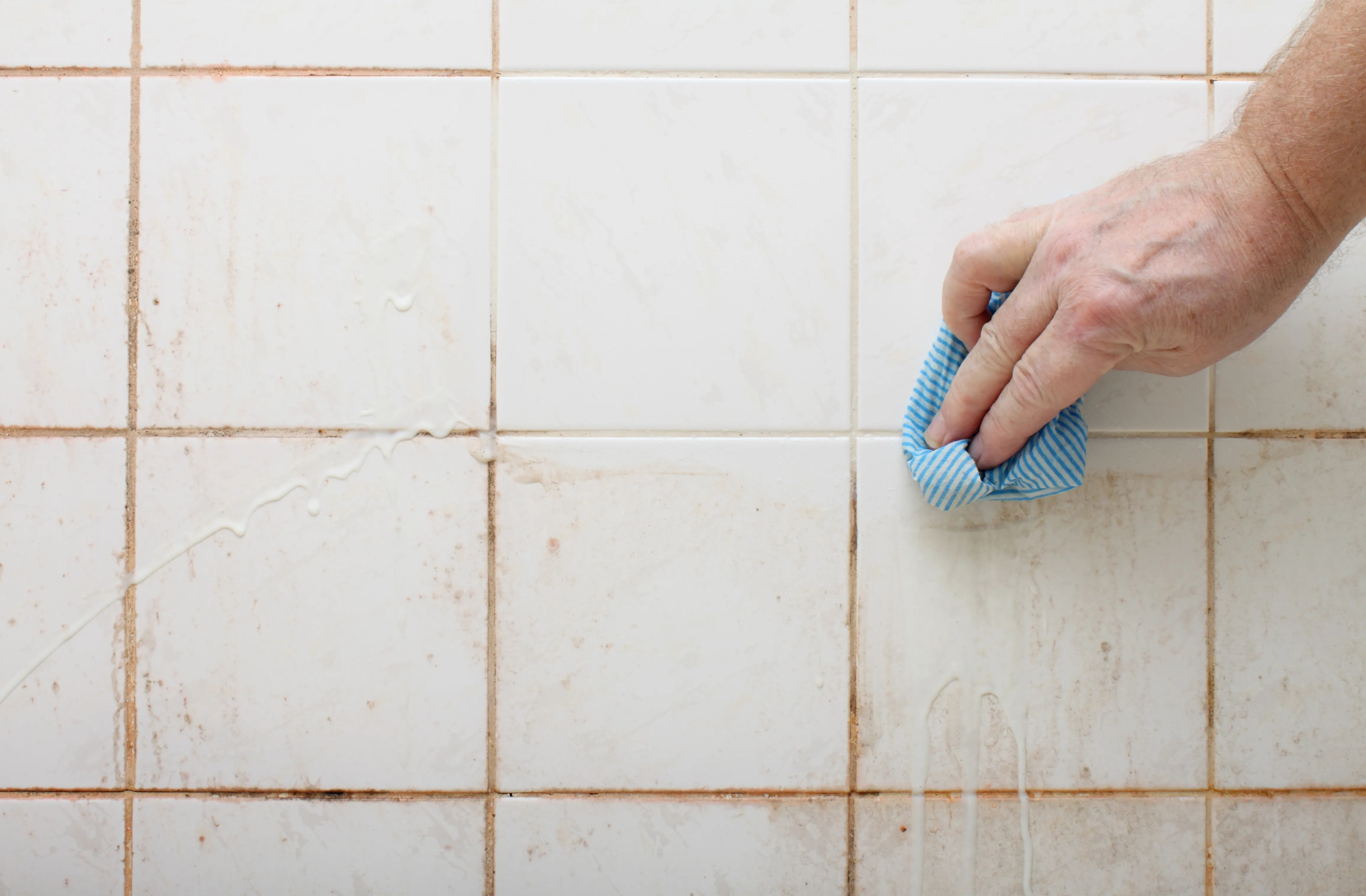
IF your bathroom tiles have started to sprout those black specks along the grout, you already know the problem is not just cosmetic.
Mould clings to corners, silicone lines and textured tiles, and it tends to come back just when you think you’ve won.
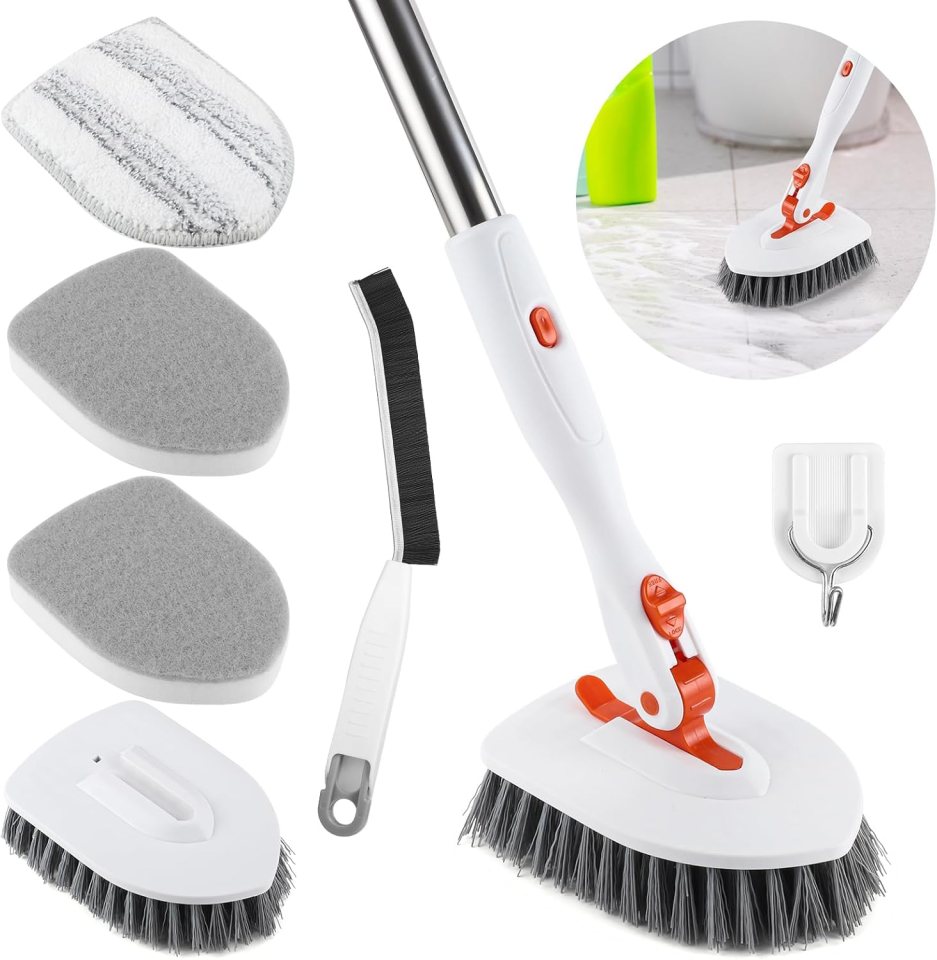
Bathroom Cleaning Brush, £9.99 (was £13.99)
I’ve just spotted a genuinely useful under-£10 Amazon buy that makes the job feel less like a workout and more like a quick reset.
It’s a 3-in-1 shower cleaning brush kit that’s currently on sale on a limited-time deal, so it’s worth a look sooner rather than later.
The big win here is reach and control.
You get a detachable long pole that extends up to 133cm, so you can reach wall tiles, shower screens and the back of the bath without climbing, crouching or twisting into uncomfortable angles.
The triangular head is designed to get into corners and locks into a few positions, which really helps when you’re scrubbing along edges.
Instead of one “do everything” brush, this kit gives you interchangeable cleaning heads.
The stiff bristle head is the one you’ll use for grout lines and stubborn build-up in crevices.
There’s also a scouring pad for tubs and ceramic tiles, plus a microfibre pad for glass and shiny surfaces, for a lift without scratches.
If you’ve been tempted by specialist gadgets, it helps to think of this as the “manual muscle” option.
A window vac-style tool is great for removing condensation and leaving glass streak-free, like the Argos Tower window cleaner the Sun Shopping team recently covered.
For soft furnishings, a portable spot cleaner can be the right call, like this Argos carpet stain cleaner.
This Amazon brush sits in the middle: low-cost, low-faff and perfect for tile edges and grout where machines often struggle to reach.
Bathroom Cleaning Brush, £9.99 (was £13.99)
Many reviews talk about this gizmo’s practicality.
One UK buyer called it “exactly what I needed for reaching those awkward nooks and crannies” and said it was ideal for shifting soap scum without overstretching.
Another said they bought it specifically to clean grout high up on the bathroom wall, calling it handy for hard-to-reach spots.
A quick note of caution: a couple of shoppers mention the pole can feel a bit lightweight, and one worried about tougher bristles on delicate surfaces.
If you have fragile finishes, do a small patch test first.
Common Bathroom Habits That Increase Mould
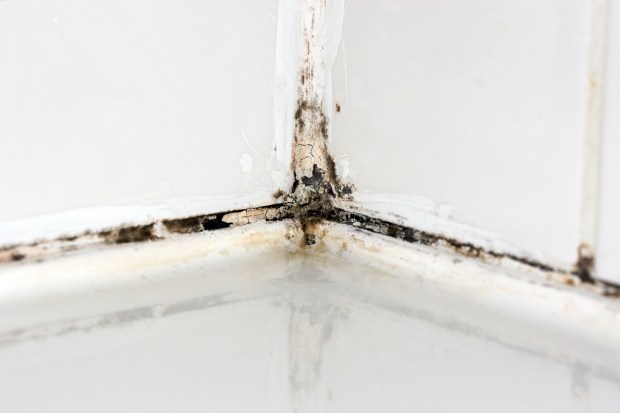
Plumbworld, a leading expert in bathroom and kitchen products, has shared the daily habits that increase the chance of mould growing in homes.
Leaving wet towels and bathmats on floor
Wet towels and bathmats on the floors after a shower or bath can increase humidity levels which provides a perfect breeding ground for mould spores.
To prevent this, hang towels and bathmats in an area where they can dry quickly and to wash them regularly.
Not turning on the fan
An exhaust fan is critical in reducing moisture levels in the bathroom.
When taking a hot shower or bath, steam increases the room’s humidity level, creating an ideal setting for mould to flourish on walls, ceilings, and other surfaces.
An exhaust fan helps by moving the moist air outside, significantly reducing the risk of mould growth.
Experts suggest running the fan during the shower and for at least 20-30 minutes afterwards to lower humidity levels.
Ignoring small leaks
Even minor leaks from the sink, toilet, or shower can contribute to increased moisture levels in a bathroom, fostering an environment where mould can thrive.
Over time, these leaks can cause significant water damage, promoting mould growth in less visible areas such as inside walls or under flooring.
Fix leaks promptly to prevent mould and potential structural damage.
Keeping shower curtains or doors closed
Keeping the shower area closed after use traps moisture inside, delaying the drying process and creating a humid environment conducive to mould growth.
Mould can easily develop on shower curtains, doors, and in tile grout if they remain wet for too long.
To avoid this, leave the shower door or curtain open after use to improve air circulation and allow the area to dry more quickly.
Storing too many products
Shower caddies and corners filled with bottles and accessories may seem harmless, but they can obstruct airflow and trap moisture and creates hidden, moist niches where mould can grow unnoticed.
Keep shampoo and shower gel bottles to a minimum, and regularly clean and dry the areas underneath them to prevent mould growing.