Alleged terrorist Naveed Akram will likely never leave the confines of Goulburn’s Supermax prison if he is convicted of murdering 15 innocent people at Bondi Beach.
The only way the 24-year-old would ever get out alive from what is officially known as the High Risk Management Correctional Centre is if the state built an even more secure jail.
Supermax, on the NSW Southern Tablelands 200km south-west of Sydney, sits within the Goulburn Correctional Complex and currently houses about 100 inmates.
Even before Akram was moved to Supermax, he was under constant surveillance while being treated for gunshot injuries at Long Bay Hospital in Sydney’s south.
The only visitor Akram has received since the Bondi atrocity on December 14 has been Muslim chaplain Ahmed Kilani, who spoke to him at the hospital for 10 to 15 minutes.
The Daily Mail can reveal Akram’s conversation with Mr Kilani was recorded on a body-worn camera operated by a Corrective Services officer who monitored the exchange.
That recording was made at the direction of the prison hospital’s security manager and will be provided to NSW Police and other intelligence agencies.
Mr Kilani is a private contractor for Corrective Services NSW who has ministered in the state’s prisons for more than a decade and dealt with some of the country’s most notorious criminals.
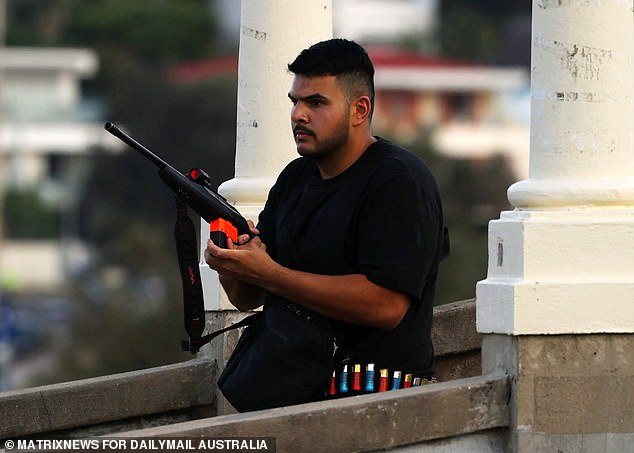
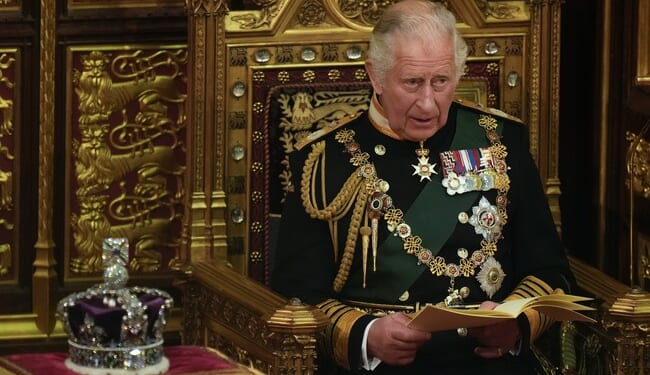
Alleged terrorist Naveed Akram (above) will likely never leave the confines of Goulburn’s Supermax prison if convicted of murdering 15 innocent people at Bondi Beach
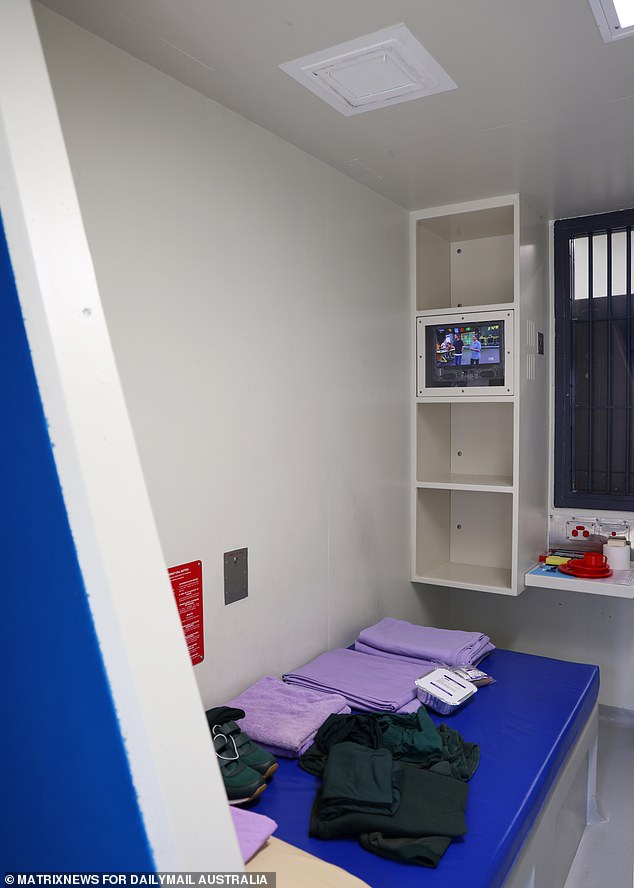
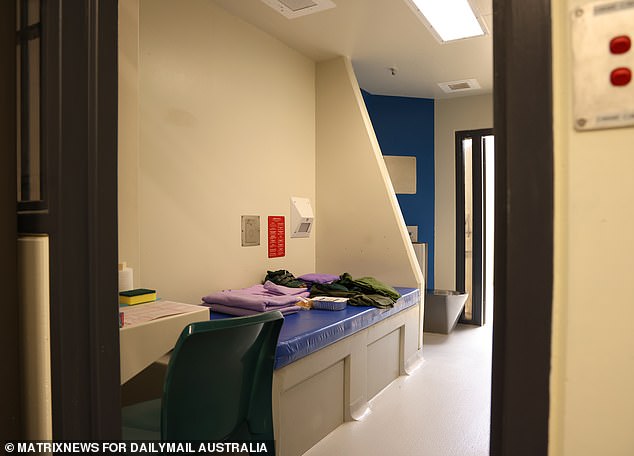
The only way Akram would get out of what is officially known as the High Risk Management Correctional Centre is if the state built an even more secure jail. A Supermax cell is pictured
He also describes himself on LinkedIn as ‘a highly experienced and respected Countering Violent Extremism expert who has worked extensively with convicted terrorists providing theological mentoring, assessments and de-radicalisation’.
As well as being allowed to speak with a chaplain, Akram was granted his request for a copy of the Koran.
Akram’s 50-year-old father Sajid Akram was shot dead by police after he and his son allegedly opened fire on Jews celebrating the first night of Hanukkah.
The mass shooting – the worst in Australian since 35 people were shot dead in the 1996 Port Arthur massacre – is being treated as a terrorist attack inspired by Islamic State.
Akram already has the highest AA security classification and may be considered for an additional Extreme High Risk Restricted or National Security Interest designation.
It is understood that since he was transferred to Supermax from Long Bay on January 5 Akram has not seen his mother or any other family member.
Visitors to Supermax undergo extreme vetting including a full criminal background check before being allowed inside its gates.
Prisoners in Supermax do not have access to the electronic tablets inmates in other jails can use to contact loved ones from their cells.
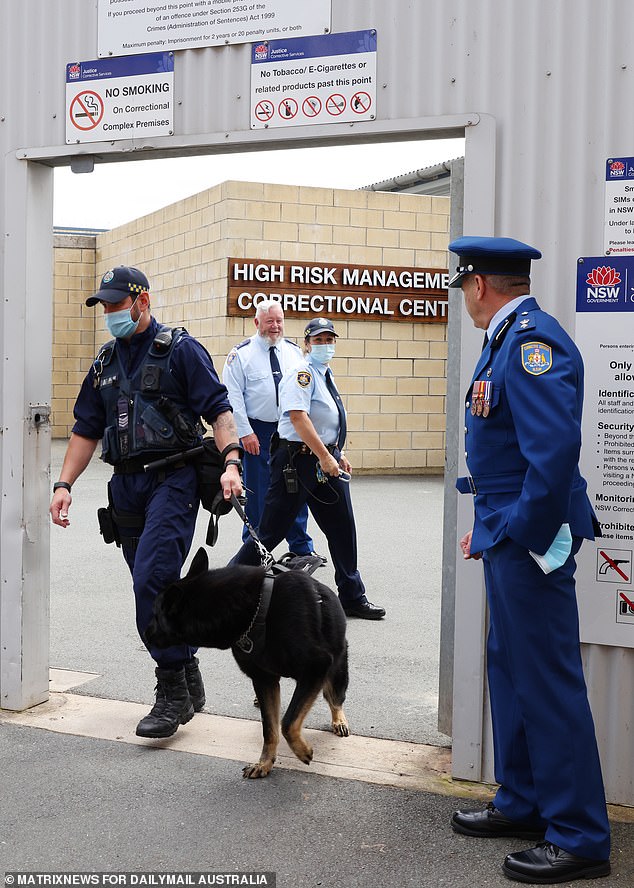
Supermax, on the NSWSouthern Tablelands 200km south west of Sydney, sits within the Goulburn Correctional Complex and currently houses about 100 inmates
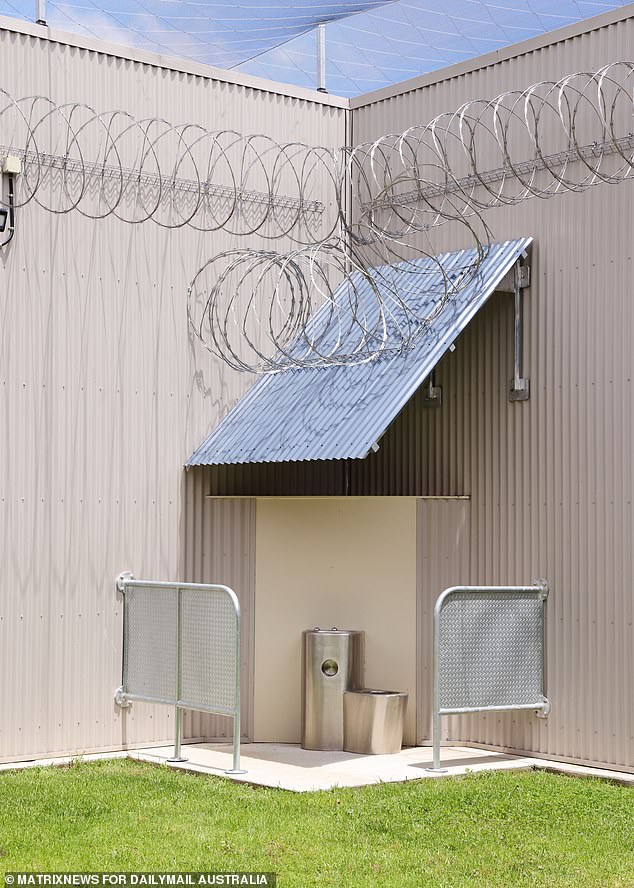
Supermax has eight exercise yards where inmates can gather two at a time. Each yard has a steel mesh canopy to prevent items being thrown over the wall or dropped by drone
When permitted to make a call to the outside world Akram will be escorted to a telephone inside a cage and everything that is said will be listened to, except for legal consultations.
Officers carefully scrutinise incoming and outgoing mail.
Supermax is split into two sections – Area 1, which currently houses about 60 prisoners, and Area 2, which holds about 40 more.
Area 2, designed as a ‘step-down’ unit, opened in May 2020, to house offenders who had demonstrated a commitment to disengage from radical behaviour.
The expanded facility increased the prison system’s ability to receive and hold terrorist and other high-risk offenders away from general population inmates.
Akram is being kept in Area 1, the original part of Supermax which opened in September 2001 and for the past 25 years has been home to the state’s most dangerous felons.
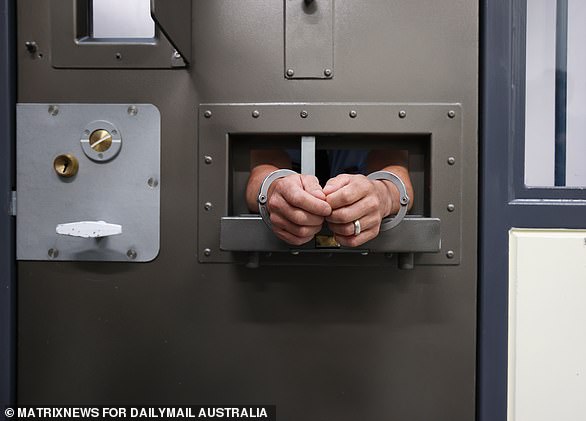
Inmates cannot leave their cells without being handcuffed and hatches in cell doors allow that to be done while they are still locked away.
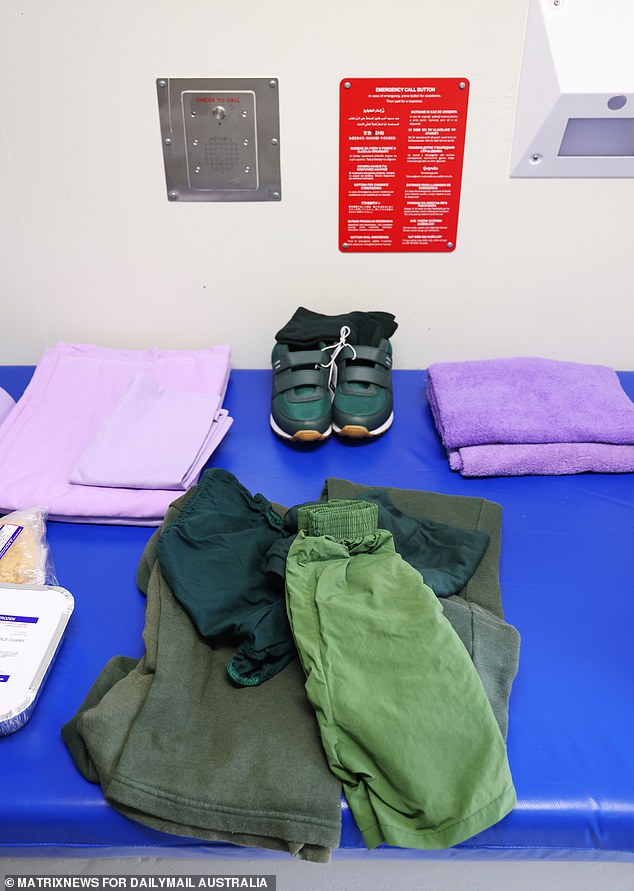
Akram is being kept in the original part of Supermax which opened in September 2001 and has been home to the state’s most dangerous felons. A Supermax cell is pictured
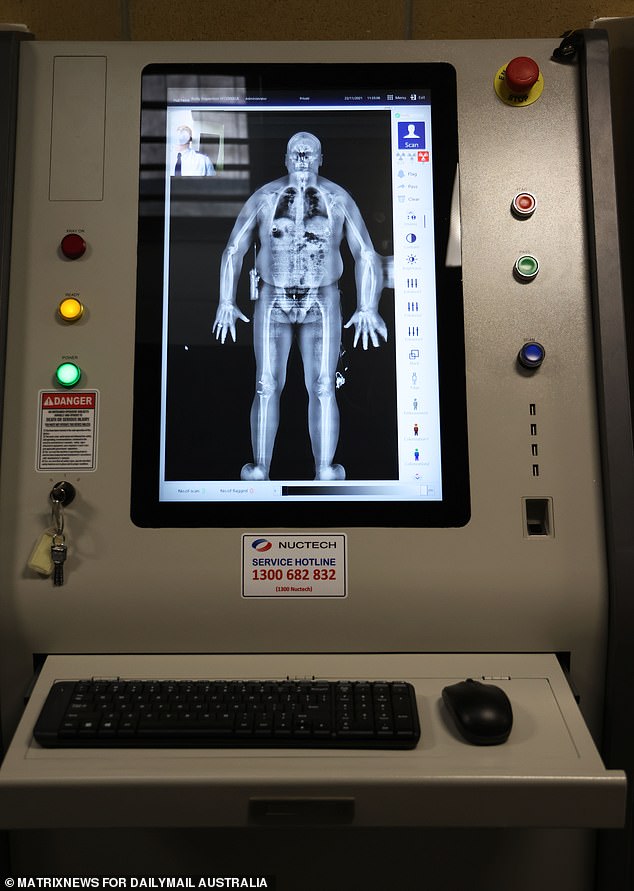
The Supermax security system includes CCTV, telephone and other audio monitoring, walk-through metal detector and an X-ray machine (above). No one has ever escaped
Prisoners are placed in a new cell every 28 days and three staff always accompany a moving inmate.
Each cell contains a concrete bed with a foam mattress, a small desk, one chair, a seatless stainless steel toilet and sink with a shower nozzle above.
A tiny television sits behind perspex on a shelf. Inmates are locked in their cell up to 18 hours a day.
The jail has eight exercise yards where inmates can gather two at a time. Each yard has a steel mesh canopy to prevent items being thrown over the wall or dropped by drone.
A prisoner using one of the yards can take with him a bottle of water, two religious items such as a prayer mat and cap, a handball, radio and a towel.
The Supermax security system includes CCTV, monitored phone and audio communications, walk-through metal detectors and X-ray scanners – and no inmate has ever escaped
Corrective Services NSW would not comment on Akram’s particular circumstances but it is understood he would be receiving almost identical treatment as any other AA inmate.
‘Community safety remains our top priority, and Corrective Services NSW takes its responsibility to appropriately manage serious offenders incredibly seriously,’ a spokeswoman said.
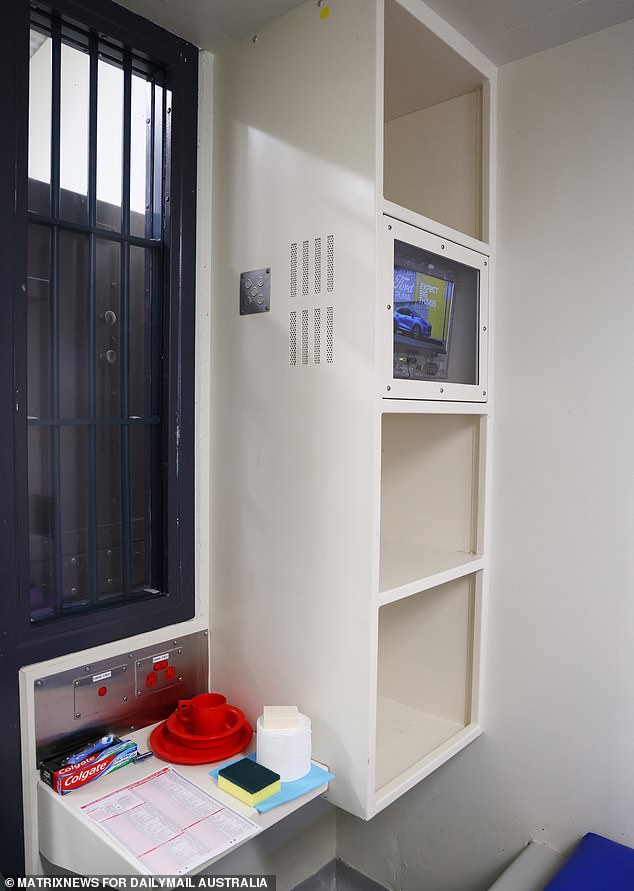
A tiny television sits behind perspex on a shelf (above). Inmates are locked in their cells up to 18 hours a day
Prisoners are placed in a new cell every 28 days and three staff always accompany a moving inmate.
‘The highest security classification in NSW, Category AA, exists for the secure management of offenders who represent a special risk to national security.
‘This includes offenders who enter custody charged with, or convicted of, terrorism offences.
‘In addition, the Corrective Services NSW Commissioner may designate an inmate Extreme High Risk Restricted (EHRR) or National Security Interest (NSI).
‘These designations are reserved for individuals who pose a high risk to the security of a correctional centre or a threat to the community and have strict management protocols.
‘It is inappropriate to comment on the specific circumstances of individual inmates.’
Akram is facing 59 charges, including 15 counts of murder and 40 counts of wounding with intent to murder.
He is also charged with discharging a firearm in public, causing a public display of a prohibited terrorist symbol and placing an explosive in or near a building with intent to cause harm.
What it’s like stepping inside Supermax
Stepping inside Supermax is a bit like entering a highly secured hospital – filled with extremely dangerous patients.
Unlike the main Goulburn prison in the same complex, which was built in the 19th century and also houses killers, rapists and gang members, Supermax has no crowded yards, tiered wings or clanging gates.
The facility is spotlessly clean and feels sterile; it is clinical and closely controlled. No prisoners work; there are no communal card games, ping-pong tables or cook-ups. There is no point in trying to escape.
Supermax houses inmates who cannot be allowed to mix within the wider NSW jail system, and since it opened in 2001 the profile of those prisoners has changed.
When the Daily Mail last visited in November 2021, many of the older Anglo and Aboriginal hard cases who once filled the jail were long gone.
Whereas backpacker killer Ivan Milat and a revolving freak show of multiple murderers had once dominated the public’s imagination of Supermax, lesser-known young jihadis had taken their place.
Boredom would be among any Supermax inmate’s greatest enemies. For them, there must be an overwhelming sense of isolation.