INFLUENCERS and OnlyFans models are starting to ditch their breast implants after blaming them for a string of “scary” health problems, from extreme vertigo to hair loss.
The trend is being fueled by growing talk online about “breast implant illness,” a catch-all term for symptoms some people say began after augmentation.
In Los Angeles, OnlyFans star Sami Sheen last year said she is now hunting for a surgeon to remove the implants she got in 2022.
“I’ve been experiencing health issues for nearly 2 years now with the weirdest symptoms and finally discovered that I have breast implant illness,” she wrote on Instagram Stories at that time.
“Idk how I haven’t figured this out sooner but i’m so glad to finally have an answer.”
Sheen said she wants them removed “ASAP” so she can “start feeling better.”
She also admitted she is nervous about going back to her pre-surgery chest size.
“It’s definitely going to be hard going back to this size, not only physically but mentally,” she wrote.
“I don’t want to at all but I know i’ll feel so much better once they are out, so I guess it’s worth it.”
Sheen said her hair has also been affected as her symptoms dragged on.
“BII often mimics certain autoimmune diseases, but I’m certain it’s my implants because these symptoms started almost immediately after getting them done,” she added.
Sheen listed other issues she says she’s dealing with, including allergies, vertigo, rashes, mood swings, dry eyes, acne, headaches and temperature sensitivities, PEOPLE reported.
Breast Implants Side Effects
The FDA says breast implant illness, or “BII,” describes symptoms clinicians refer to when people report concerns after breast implants.
The agency notes symptoms can include fatigue, brain fog, joint and muscle pains, weight changes, depression, anxiety and hair loss.
But the FDA also says BII “is not recognized as a formal medical diagnosis and there are no specific tests or recognized criteria to define or characterize it.”
Breast implant illness is described as a wide range of possible symptoms that can show up in people with any kind of implants.
That includes silicone or saline, smooth or textured, round or teardrop-shaped.
Symptoms can appear whether implants have ruptured or remain intact.
And they can start right away or years after surgery.
Reported symptoms also include concentration problems, breathing issues, sleep disturbance and skin rashes.
Others say they deal with dry eyes and mouth, headaches, anxiety, depression, hair loss and gastrointestinal problems.
In many, but not all cases, people say symptoms improve after implants are removed.
The FDA began requiring a warning in 2021 about the risk of systemic symptoms, along with a patient decision checklist included in information booklets.
It also said implants should only be sold to providers who review the checklist during informed consent, though enforcement is unclear.
Influencers ‘Deinfluencing’ Breast Implants
YouTuber Trisha Paytas has also told fans she believes her implants are “slowly” killing her.
“Honestly, I would live the rest of my life with these awful implants that are sagging down, but I do think they’re slowly killing me,” she said.
“There is a thing called breast implant illness out there. I have not been diagnosed, but I have done plenty of research and I have talked to so many people, as well, who have explanted and have similar symptoms [to her].”
“And they said they felt immediately better once their implants were removed.”
Paytas urged followers to think carefully before surgery, saying: “I would really, really recommend, before getting implants at any age, [to consider if] you really, really, really want them.”
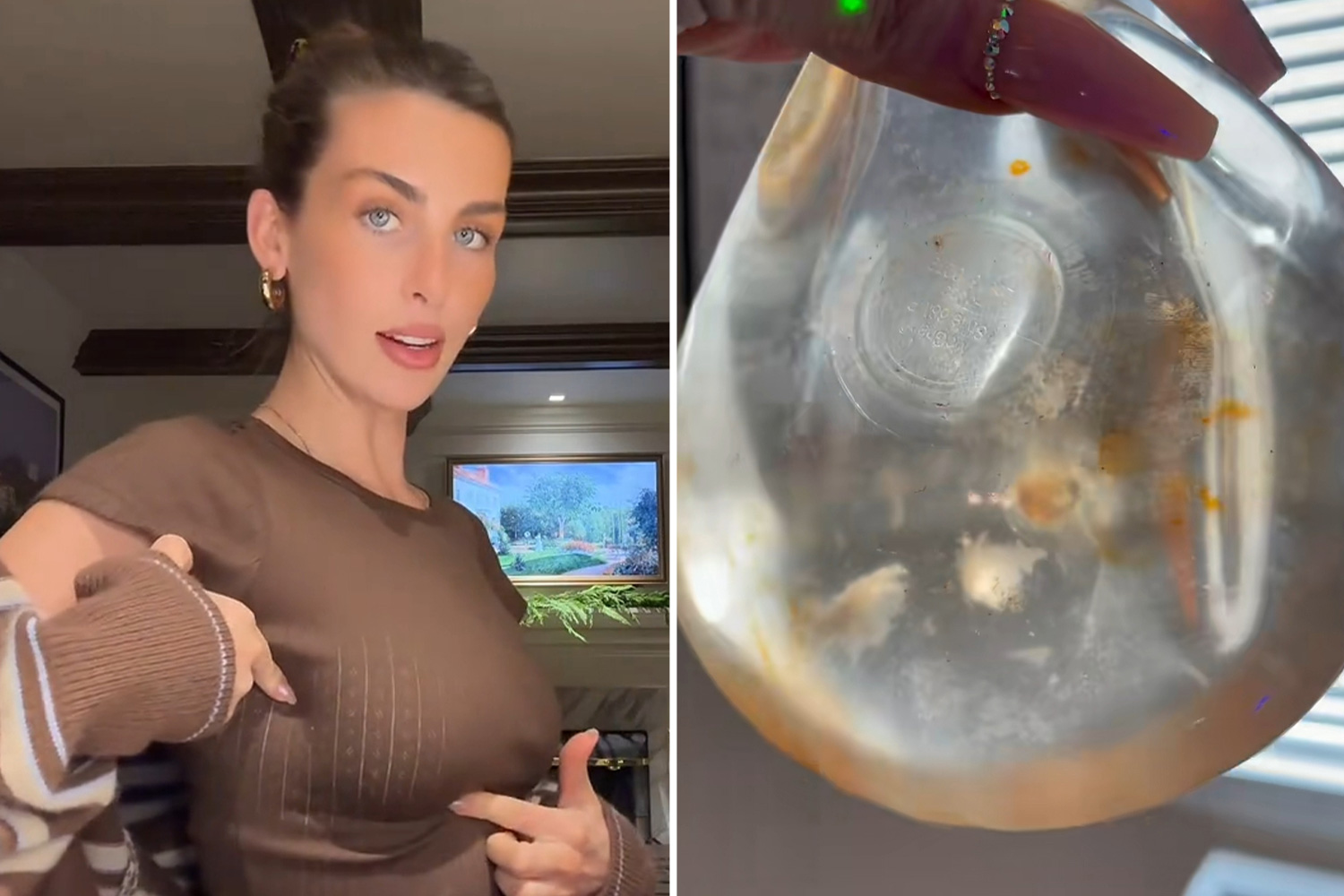
Podcast host Bunnie Xo has said she removed her implants after severe health issues she linked to BII.
She showed the implants after removal and said they contained mold and residue.
She said her symptoms resolved after explant surgery.
Influencer Paige Lorenze has also shared her decision to remove implants, calling it a positive move for her health and body image.
“I got my implants in my early 20s when I was really going through a hard time, which I would not recommend to anyone,” she said on TikTok.
“If you are going through a massive life change … or anything traumatic, do not get any surgery. Do not get filler. Do not get any cosmetic procedure.”
“Plastic surgery actually increases body dysmorphia a lot,” she said.
“I don’t feel shame, and I don’t feel regret. I’m just choosing myself now,” she added.
In previous Sun coverage, former glamour model Malene El Rafaey said she felt like she was “going to die” after getting 32G implants.
“You think the worst, like I have breast cancer. I’m dying and there’s something wrong with me and I kept telling my doctor,” she said.
“Nobody listened to me.”
“It wasn’t until a girl on Instagram told me about this group on Facebook and it was like ‘oh my God I have Breast Implant Illness (BII), it’s my implants,” she said.
“There was no doubt in my mind that this is it.”
After removal, she said, “That brain fog that was sitting on top of my mind was gone. And the rashes literally disappeared before my eyes. It happened right after I had them out.”
Plastic surgeon Graeme Perks said, “It’s in your head, it’s not in your breasts. There is no proven breast implant illness, it’s a description which people use to describe a number of symptoms.”
“Any scientist would tell you if the illness is related to a problem with the silicon, it doesn’t switch off the moment the silicone implant is removed, and so that makes you very suspicious that we don’t know enough about that’s going on.”
Plastic surgeon Ms Roy added, “We do not have a scientific link which proves these are caused by implants.
“This is something globally that needs more search.”
“(Reactions to boob jobs) are rare, it’s not something to worry about,” Consultant plastic surgeon and BAAPS member Naveen Cavale previously told The Sun.
“Silicon implants are very safe – I wouldn’t be putting them into people if they weren’t and I’d highly recommend any of my friends, family or colleagues…
…having them done, provided that they were going to have them done safely with a proper plastic surgeon who is a member of the proper society, has insurance etc.”
For now, the FDA’s position remains that BII is not an official diagnosis, but it acknowledges that some patients report systemic symptoms after implants, and many are choosing removal in hopes of relief.