Inflation stuck at 3 per cent last month even before the Middle East war kicked off, it was revealed today.
The headline CPI rate was in line with market expectations, although still well above the Bank of England’s 2 per cent target.
But hopes that price rises could be on a downward trajectory have been dashed by the chaos triggered by the US-Israeli attacks on Iran.
Ironically, much of the downward impetus on costs in February was due to falling pump prices – which have now hit three-year highs.
Economists have been warning that if oil prices reach $150 a barrel a global recession is inevitable, with the West facing ‘1970s style Stagflation’.
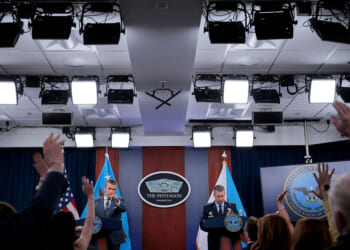
Rachel Reeves admitted that the Government was grappling with an ‘uncertain world’, but insisted she was taking a ‘responsible approach’.
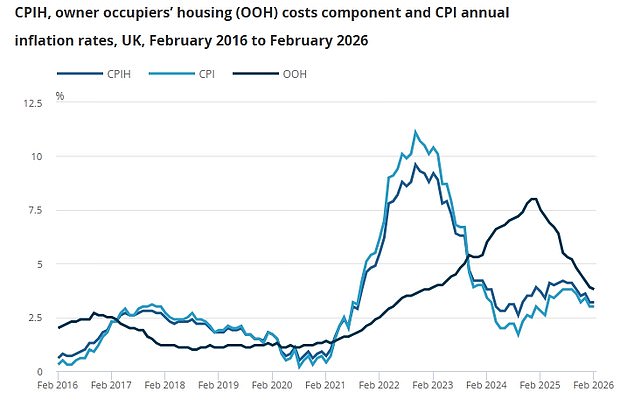
The headline CPI rate was in line with market expectations, although still well above the Bank of England’s 2 per cent target
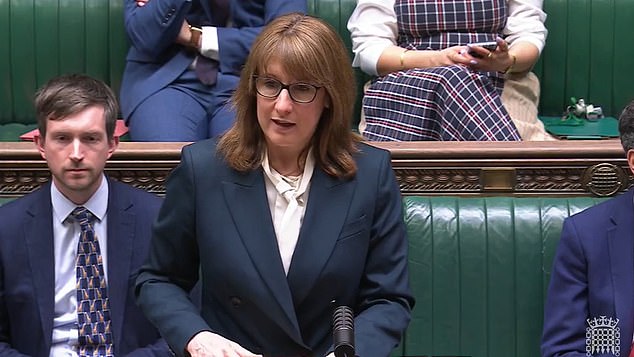
Rachel Reeves admitted the Government is facing an ‘uncertain world’
ONS Chief Economist Grant Fitzner said: ‘After last month’s slowdown, annual inflation was unchanged in February as various price movements offset each other.
‘The largest upwards driver was the price of clothing, which rose this month but fell a year ago. This was offset by falls in petrol costs, with prices collected before the start of the conflict in the Middle East and subsequent rise in crude oil prices.
‘A fall in the cost of alcoholic drinks due to promotional activity, compared with a rise last year, was also a downward driver, while little change in food prices, again compared with a small rise this time last year, added further downward pressure.’
said: ‘In an uncertain world we have the right economic plan, taking a responsive and responsible approach to supporting working people in the national interest.
‘We’re taking £150 off energy bills and providing targeted support for those facing higher heating oil costs.
‘We’re also acting to protect people from unfair price rises if they occur, bring down food prices at the till, and cut red tape to boost long-term energy security — building a stronger, more secure economy.’
The Bank of England said on Thursday recent increases in wholesale energy costs would delay the return of CPI inflation to target, as it was already seeing higher fuel prices.
It is now expecting inflation to be around 3 per cent in the second quarter of 2026, up from the 2.1 per cent that had been forecast in February.
The central bankers stressed the situation is volatile and events over the next six weeks could shed light on the scale of the disruption and impact to prices.
Economists have weighed in with their own projections of where inflation could go if things persist.
Pantheon Macroeconomics said if the latest spike in gas prices is sustained, then CPI could be headed to 4 per cent later this year.