What’s in a name? For global aid groups hit hard last year when the world’s largest donor – the United States – slashed its humanitarian and development budget, a name change can bring a refreshing change in how to view poor, unwell, and homeless people.
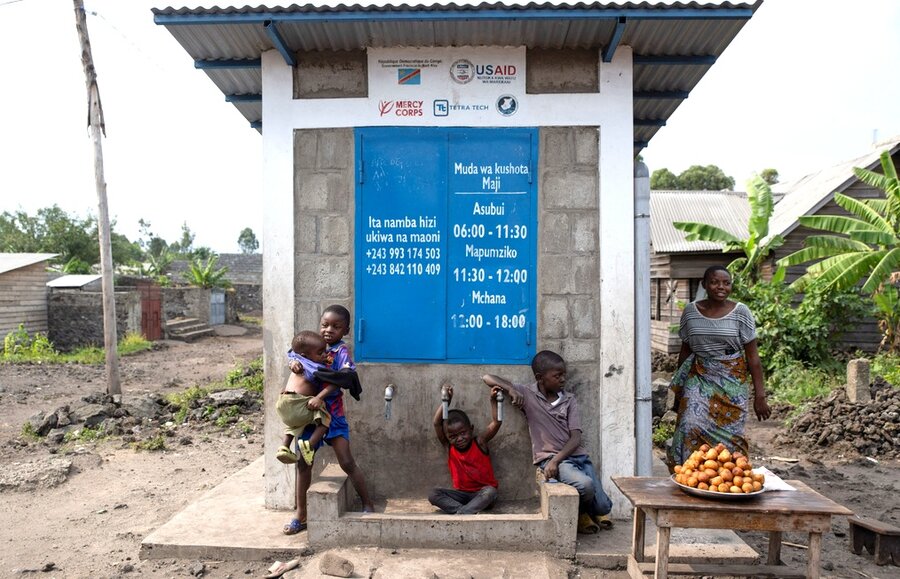
On March 18, Mercy Corps, which once directly helped about 37 million people in 35 countries, announced it would soon call itself Prosper Global, after a major downsizing of the Oregon-based organization. “We believe strongly that what these communities need is prosperity, not mercy,” chief development officer Mary Stata told Axios.
The rebranding reflects a view that “participants” in programs are leaders, not “passive recipients of humanitarian aid,” as Ms. Stata explained. The new name will reinforce moves already underway to follow the lead of local community leaders in setting priorities; assisting private investments in long-term projects with a mix of profit and charity motives; and better convening a broader range of organizations to take action in order to build sustainable growth.
“We increasingly felt like our current identity was no longer representing our values … or able to really represent our work with clarity,” Ms. Stata said.
Such a shift would see the dignity of those in need not so much restored as roused to life in them. It will require higher levels of listening along with genuine respect for and partnership with people as decision-makers and as advocates for what they expect of their local governments.
The soon-to-be-called Prosper Global will “co-create solutions that help people adapt, thrive, and build lasting resilience in the face of climate change, conflict, and poverty,” as Mercy Corps stated last year after the massive loss of money from the now-closed United States Agency for International Development.
Similar reinventions by aid groups are “something close to a mental liberation,” as The Economist stated last year. Along with funding cuts by many European countries, “the world entered a new chapter of global aid, as the development sector moves past traditional philanthropic models,” wrote Dave Neiswander, head of World Bicycle Relief, for the World Economic Forum. “The international development narrative must shift from one of charity to investing in self-sufficiency.”
As the aid community continues to adjust to the cuts, local leaders “are stepping up to meet the moment,” declared Refugees International last month. A big rethink of how aid works has opened opportunities to honor the inherent sovereignty of each individual to uplift themselves.