The idea of an eight-year-old girl being forced down the aisle to marry a man three times her age by her own parents seems unimaginable in a modern Britain.
But stories like Jasvinder Sanghera’s, Shafilea Ahmed’s, Banaz Mahmod’s, or Rania Alayed’s, tell a stark reality: abhorrent abuse done in the name of so-called ‘honour’ is happening behind closed doors every day.
Honour-Based Abuse (HBA) covers forced marriages, rapes, beatings, and even familial murders that women, girls or boys are subjected to at the orders of their own families if they are seen to have ‘dishonoured’ their parents, their culture, or their religion.
In the year ending March 2024, 2,755 HBA-related offences (nearly five per day) were recorded by the police in England and Wales.
Survivors and campaigners told the Daily Mail how they continue to battle the horrific crime happening across the country, right under our noses.
They said that some children will be deliberately taken out of school on the days that they are set to give speeches to raise awareness about forced marriages and female genital mutilation (FGM).
Others will simply stop attending entirely, following in the wake of older siblings who were also married off and have been long forgotten in the schooling system.
And the reason why their battle is not being won against abusers is, campaigners say, because professionals who have the power to prevent HBA are too scared of being labelled ‘racist’ to call it out.
The areas with the highest prevalence of HBA last year according to Home Office statistics were Leicestershire, Greater Manchester, and the West Midlands.
But survivors and campaigners argue the real numbers are much higher – and the root of the problem is a refusal by professionals and organisations to acknowledge the clear racial and religious aspects of the crime.
Dame Jasvinder Sanghera
Dame Jasvinder Sanghera was just eight years old when she was promised to marry a stranger by her parents.
Having witnessed three of her seven sisters already go missing after being forcibly married, Jasvinder was terrified of facing the same destiny at just 14. She was padlocked in her bedroom by her parents as a prisoner until she agreed.
Jasvinder said yes, using the little time she had before the wedding to plan her escape. She then ran away from home aged 16 and has not spoken to her parents since.
Now Jasvinder is an author, expert witness and campaigner against forced marriages and abuse.
She told the Daily Mail: ‘It is a sad indictment when you have professionals who are very worried about upsetting cultural ties and being called a racist, which I’ve seen in my time.
‘I’m someone who has had to educate them to look at this as abuse and a part of culture – all you’re doing is giving the perpetrators more power by not doing so.’
Jasvinder explained: ‘My family was Sikh and they were Indian, and they practiced arranged marriages.
‘Pakistani families or Muslim families are, for example, more likely to force their children into marriage where there is a first cousin marriage, and those children will be married far younger.
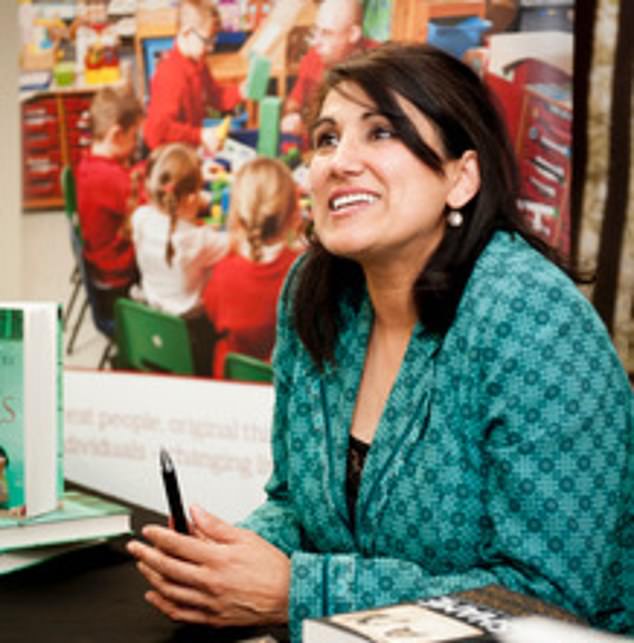
‘It is a sad indictment when you have professionals who are very worried about upsetting cultural toes and being called a racist, which I’ve seen in my time’
Dame Jasvinder Sanghera was just 8 years old when she was promised to marry a stranger by her parents
‘My mother told me ‘the worst insult you can bring to my front door is if you behave like a white woman’.’
Jasvinder said that nearly half of the people who called her charity’s helpline, Karma Nirvana, were teachers and doctors unsure about what to do when confronted with signs of HBA.
She believes it is a lack of proper integration into Britain among settled communities that allows HBA to continue to go unreported.
‘People who are victims of HBA are being prevented from integrating…There is a feeling of ‘them’ and ‘us’.
‘I fundamentally went against that and I am proud to be here in Britain and have the freedoms that I have.’
Jasvinder said she encounters the same British awkwardness when discussing HBA as she did when taking part in a nationally televised debate about the ethnicity of the Rotherham grooming gangs.
‘In a conversation about ethnicity and grooming gangs, all I could see was denial and deflection.
‘Likewise, the demographic of the communities where HBA is happening IS significant – and I’m not surprised by the statistics.
‘Cities like Birmingham, Manchester, Bradford, Leeds, Luton, where you have very settled communities of Somalians, Pakistanis, Indians, even Ukrainians now – arranged marriages are deemed a tradition.
‘But that is where the line is crossed: when a young person is saying ‘mum and dad I don’t want this’ but are forced to go through with it because their parents are trying to protect the tradition.’
The CPS’ latest statistics also showed that just one in two HBA and forced marriage cases resulted in convictions, most often due to ‘evidential gaps’ and ‘victim/witness withdrawal’.
Aneeta Prem
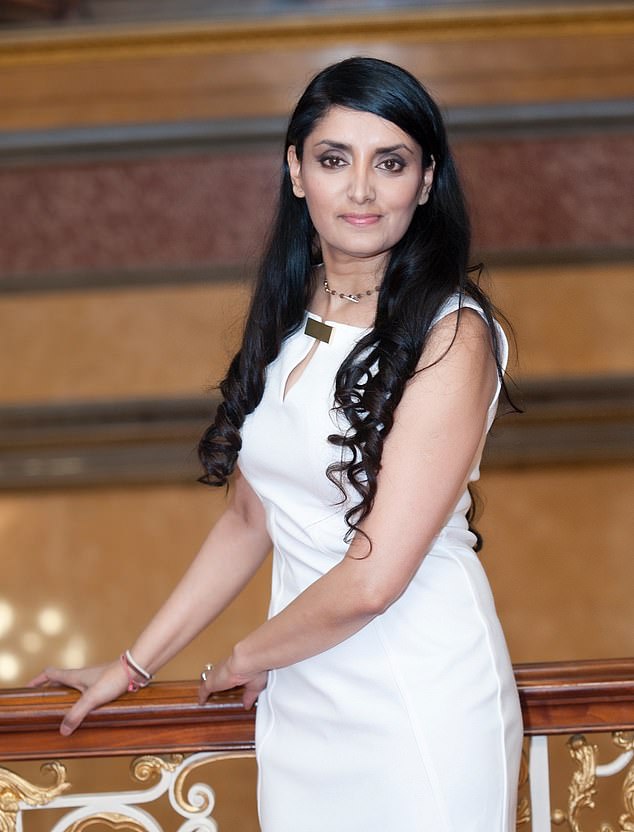
Aneeta Prem founded Freedom Charity in 2009, which helps to support victims of forced marriage, female genital mutilation, and family dishonour
Aneeta Prem was born in London to Northern Indian parents.
One of her earliest projects was working with her father to foster equal education in Kote, India, by building a further education college to provide a safe environment for Indian girls to continue their studies.
Aneeta is now an author, human rights campaigner and magistrate and she founded the Freedom Charity in 2009. Freedom helps support victims of forced marriage, female genital mutilation and family dishonour.
Speaking to the Daily Mail, Aneeta warned against letting cultural stigmas prevent people from calling out HBA when they see it.
‘The majority of cases come from Pakistani, Bangladeshi and Indian families.
‘It happens in these cities because of the demographic makeup. There is a stigma when talking about traditional practices like arranged marriages in these communities, but you have to call it what it is – HBA – and not be afraid of that.’
Aneeta added that HBA happens when integration into British society fails.
Whilst there are high rates of HBA in deprived areas however, Aneeta noted that the crime happens across the wealth and class spectrum.
‘It happens among diverse families from one community living together thinking these practices are acceptable. People should be integrated.
‘We need to raise awareness through having open conversations with people that have come through the other side and can really call it out as a criminal offence.’
Payzee Mahmod
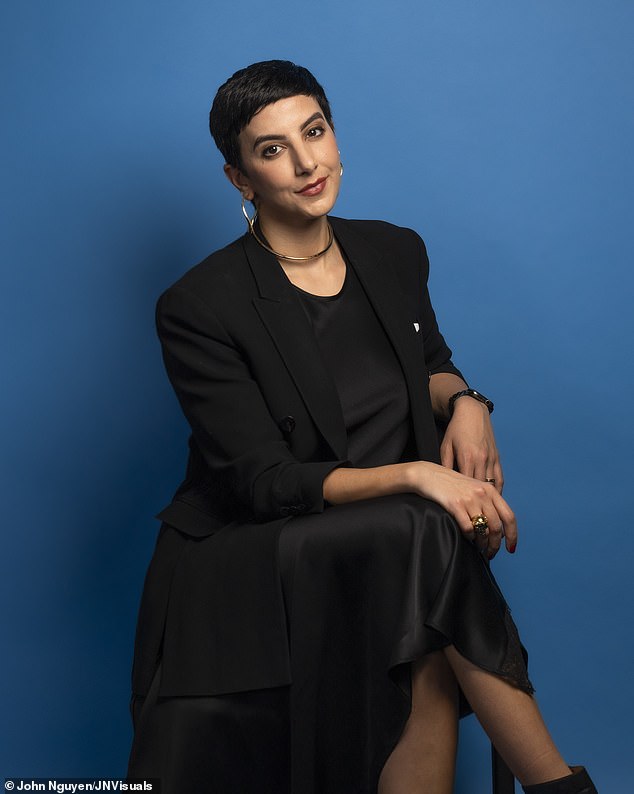
Payzee Mahmod has called on the government to introduce a legal statutory definition of Honour-Based Abuse in the UK
Payzee Mahmod is a British Kurd and child marriage survivor who now works as a campaigner at Iranian & Kurdish Women’s Rights Organisation (IKWRO).
Payzee works to raise awareness and end HBA, and is campaigning for a legal statutory definition of HBA – having successfully campaigned to change the law in 2023 on child marriages in the UK.
She told the Daily Mail: ‘There is a lack of understanding in naming the abuse, but when we avoid naming HBA for fear of stereotyping, we allow abuse to go unchecked and survivors to remain invisible.
‘HBA remains far more prevalent in the UK than many people realise.
‘It is pretty widespread but it can be even more prevalent where traditional or patriarchal norms are deeply embedded.
‘It remains underreported due to a fear of not being believed or coming across professionals who truly understand it and can respond to it.’
Data released by the CPS for January-March 2025 showed that just 1 in 2 cases of HBA and forced marriage result in a conviction, meaning Honour-Based Abuse has the lowest conviction rate of all flagged crimes in England and Wales.
Payzee said: ‘We urgently need a clear, survivor-informed definition of Honour-Based Abuse that reflects it in all of its layered forms: not just physical violence, but emotional control, surveillance, shame, isolation and coercion.

Banaz Mahmod, who was murdered aged 20 in 2006 on the orders of her family for ending her abusive forced marriage and starting a relationship with someone of her own choosing
‘Until then, it remains an overlooked and misunderstood form of abuse, despite its devastating impact.’
The UK government set up the Forced Marriage Unit in 2005 to tackle the rise in domestic forced marriage and introduced a law in 2014 making FGM illegal.
But continually rising cases being reported to the police and charity helplines, as well as the shockingly low conviction rates of HBA have led campaigners to plead with the government not only to change the law but their stigma around the topic too.
Minister for Safeguarding and Violence Against Women and Girls, Jess Phillips, said: ‘So called ‘honour’-based abuse has no place in our society.
‘Anyone who is aware of these crimes taking place in any community should not hesitate to come forward and report it so that victims can receive the support they need, and so the perpetrators of this abuse can face justice.
‘We are determined to tackle these crimes and have recently increased funding for the national ‘honour’-based abuse helpline to support more victims.
‘We will lay out more ways we plan to tackle ‘honour’-based abuse in our upcoming strategy to halve violence against women and girls over the next decade.’
A force spokesperson for Leicestershire Police, the region with some of the highest rates of HBA in the country, said:
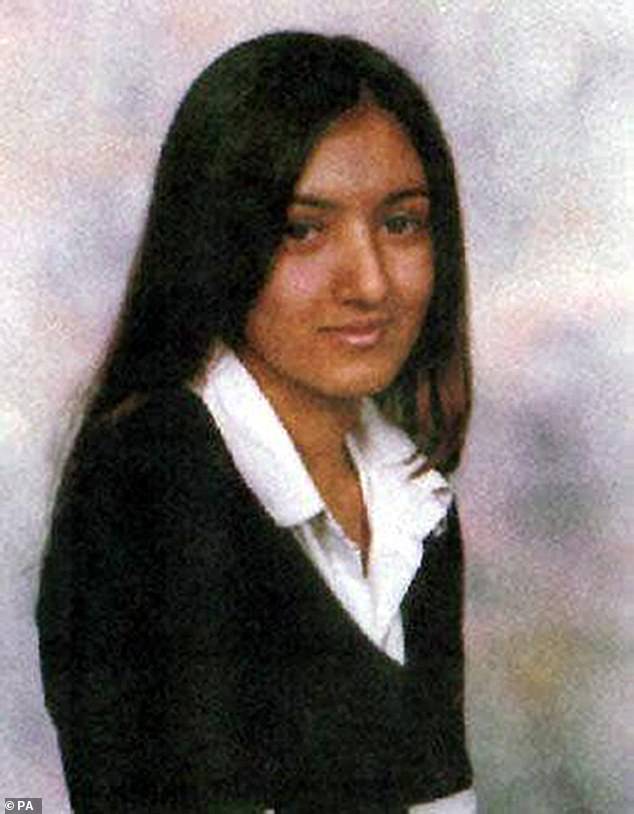
Shafilea Ahmed, who was murdered by her parents in an honour killing at the age of 17 for refusing to accept a forced marriage
‘The work the force has undertaken – and continues to undertake – has helped raise awareness of honour-based violence within our communities.
‘We believe that an increase in the number of offences reported is an indication that victims are prepared to speak out so that offenders can be brought to justice.’
Whilst awareness about the issue might be growing, so too are the most shocking cases of HBA – in the worst instances resulting in murders like Shafilea Ahmed’s and Banaz Mahmod’s.
Assistant Chief Constable Emma James, national policing lead for Honour-Based Abuse, said: ‘So called “honour”-based abuse is a complex crime type which often happens within community or family networks, making it very difficult for victims to speak out and get help.
‘In all cases, our priority is to safeguard vulnerable victims from this appalling form of abuse, and we will work to put protection orders in place as soon as possible, even where a conviction is not possible.
‘Officers and staff, alongside partner organisations, must properly understand the complexities of different cultures to be able to identify and protect those at risk. We have been working with forces to improve cultural awareness and understanding of honour-based abuse to ensure that victims are effectively safeguarded and that cases are investigated properly.
‘Forces have been working with organisations, such as Karma Nirvana, to train officers and staff, recognising the importance of listening to lived experiences to inform our response.
‘However, there is still inconsistency in the recording of ethnicity for both abusers and victims, which we know is a key barrier to being able to identify risk indicators and ensure appropriate safeguarding is put in place for victims. We are working at a national level to improve data recording as a priority.’