CLOTHES spilling out of her wardrobe and a make-up bag full of recent purchases, Georgina Shannon knew she needed to kick her shopping habit.
She realised her little buys on Vinted and occasional splurge in Superdrug were adding up and it was damaging her hopes of owning her own home.
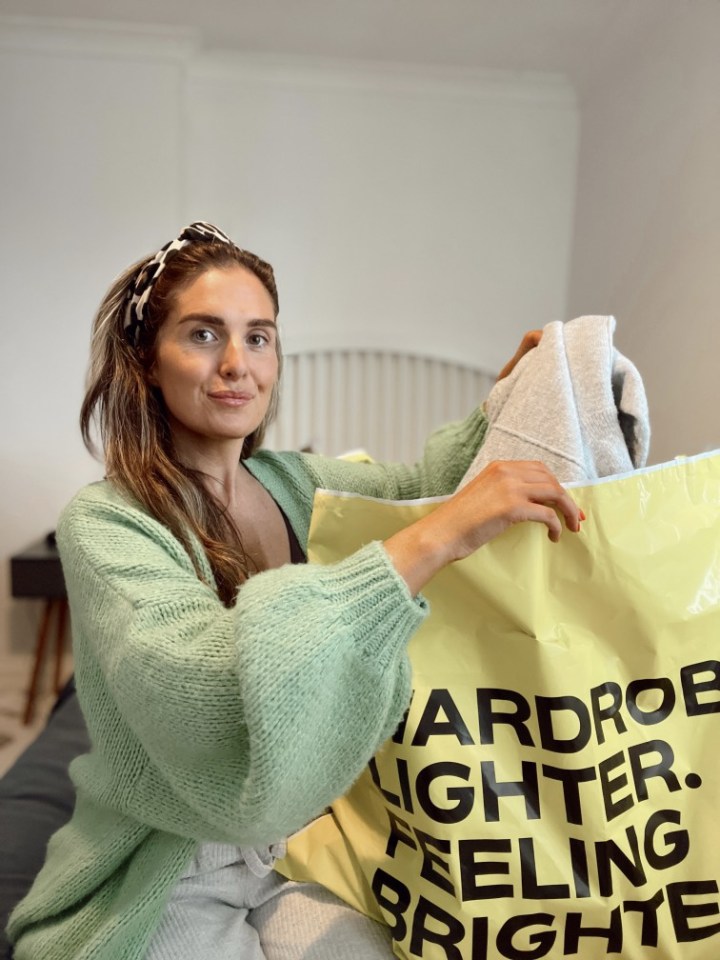
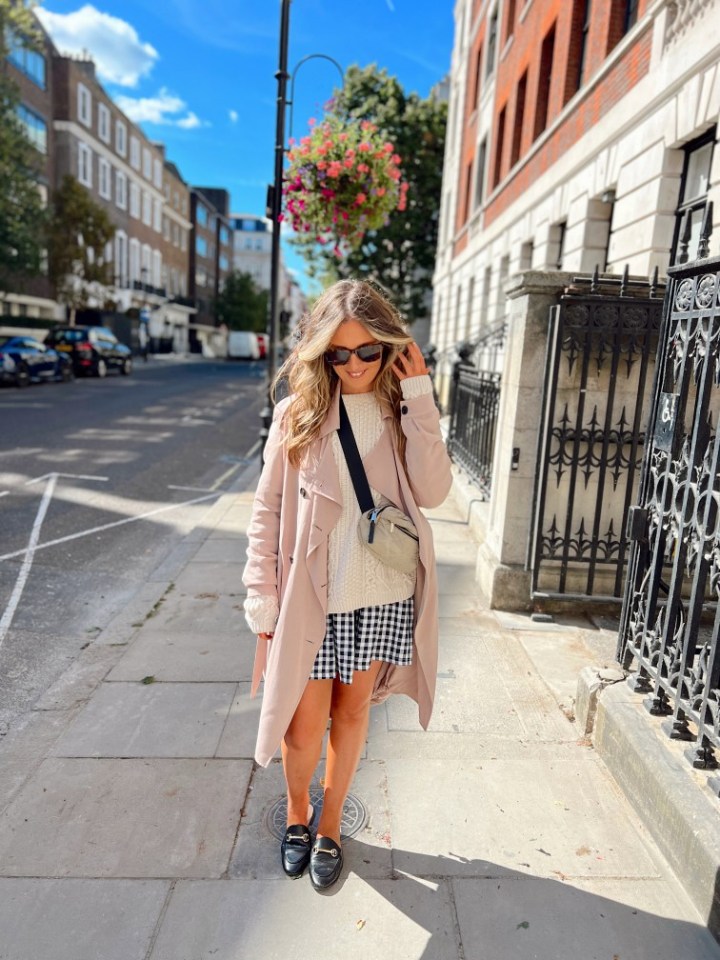
“I am a bit of a hoarder and I was finding the clutter a bit overwhelming and depressing,” marketing manager Georgie, 35, says.
“I was buying things based on how they look on other people and not me.”
“So I was constantly putting stuff I didn’t need anymore on Vinted, doing clothes sales and sorting through piles. And I’d had enough,” she added.
At the time Georgia was living with her parents in Cornwall with partner Fred, 32, who works as a garage door fitter and they dreamed of buying their own place to live.
So in 2022, she pledged to buy nothing for the whole year.
How she turned a no-buy rule into a house deposit
Outside food and cleaning products, there were to be no new books, clothes, jewellery, beauty products, gadgets or household bits.
She didn’t even let herself buy second-hand.
Georgie also put a halt to those Superdrug trips as she already had plenty of self care products in her bathroom cabinets.
Even as a lower taxpayer she said the challenge was surprisingly easy, and with such a clear goal in sight, wasn’t tempted to get her credit card out.
Living with family also helped save on costs.
In 12 months she and partner Fred saved £20,000, enough to put a deposit down on a charming cottage in Cornwall where they now live.
And when the year was up, she’d saved so much that she didn’t want to slip back into her old habits.
Her home felt tidier, her head was clearer and her bank account much healthier.
Georgie’s top tips for a no buy year
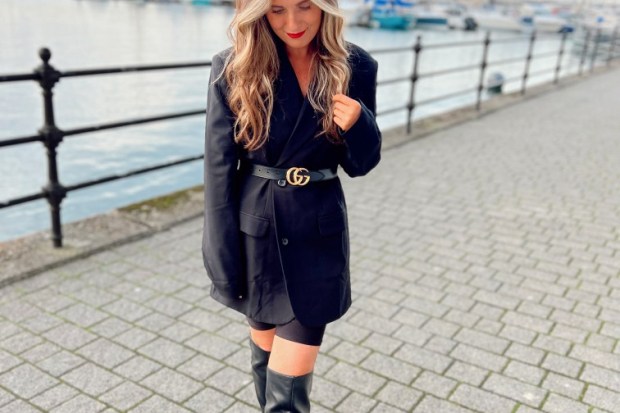
GEORGINA shares her top tips for doing your own no-buy year:
Delete the apps!
If you’re making purchases on TikTok shop or Vinted, just take away the lure. Get the apps off your phone and you wont be tempted.
Tell everyone you don’t want any gifts
And that way, they might say the same to you and everyone will consume and spend less.
I did buy a few presents in 2022, but only for close friends and family. You will probably find most people will be happy to be part of your no-buy project
Don’t see shopping as a hobby
Either online or in real life. Avoid town. There’s no need to go into the shops if you don’t need anything.
And see if you can distract yourself with a new hobby – like arts and crafts. Or even better, running or swimming – hobbies that don’t require you to buy more stuff.
Take your credit card details off the computer and Amazon account
You get a dopamine hit every time you buy something online which will have disappeared by the time it arrives.
If you put a barrier between you and those online purchases, they will be harder to make.
Shop your own wardrobe
If you have an event to go to, like a party, festival or wedding, take everything out of your wardrobe and see what you already have before heading to the shops.
The likelihood is that you already have something that will work that you had forgotten about.
Don’t be hard on yourself.
If you slip up sometimes, that’s fine.
You’re doing this for yourself, nobody else. If no-buy seems too much to you, even reducing the amount of shopping you do can help.
Some people do a month of no-buy at a time. Whatever works can make a difference to your savings.
When you do shop, make sure it’s mindful shopping
It’s like that idea of never going food shopping when you’re hungry. Always check what you have first.
Often I would buy some cleanser because it’s on offer, when I already have some at home. We can be so unaware of what we already have, so if you do need to go shopping, take stock before you buy.
“It completely changed my life. And I didn’t run out of clothing, even though I was decluttering at the same time. I still have socks from ten years ago which are fine.
“It just taught me to appreciate what I have and it felt like I was taking my power back as a consumer”, Georgie, who posts on Instagram as @georgies_corner, says.
The project was such a success that she is now embarking on a no-buy year in 2026, to save cash for house renovations and pay for a bit of travel.
“There will be temptations as I know I will want to get new clothes for my trip to Italy. But I will try not to,” she says.
“We all get swept up with this aspirational lifestyle of wanting the new shoes and the new bag, but you can’t throw stuff away that you don’t need. There is no away.
“There’s just not enough room on the planet for all the stuff we have,” she adds.
And it’s not just Georgie who has saved thousands by doing a no-spend challenge.
Influencer Jess Sheppard helped save £1,000 by putting a pause on her spending for just one month.
Chrissie, who is from West London has also been able to save a whopping £500 a month by doing the same.
Help to get on the housing ladder
There are plenty of other ways for first-time buyers to get support.
Earlier this year, TSB launched a new “5&5” concessionary mortgage option for its customers.
Under the lender’s new scheme, landlords would offer their tenants a 5% discount on the property’s market value in exchange for putting down a minimum 5% deposit.
Concessionary mortgages allow wannabe homeowners to bag a property for less than the market value.
They are usually used by landlords selling a house to their tenants, or someone selling a property to a relative.
A number of lenders offer some variation of this mortgage type including Barclays and Natwest.
Elsewhere, the Government’s First Homes scheme gives first-time buyers a chance to buy homes at a reduced price.
Through the scheme, first-time buyers can buy a home for up to 50% less than its market value.
The scheme applies to new homes built by a developer, or to homes available through an estate agent, that were previously bought through the scheme.
To use the scheme, you must be a first-time buyer aged 18 or older.
And you’ll need to earn less than £80,000 a year before tax or £90,000 if the property is in London.
If you’re buying with others, you must all be first-time buyers and you must apply together, even if you’re not all getting a mortgage.
To apply, all you need to do is contact the developer or estate agent and tell them you want to buy a property through the First Homes scheme.
They’ll check you meet the eligibility criteria, help you complete the application and then submit your application to the local council.
What help is there for first-time buyers?
GETTING on the property ladder can feel like a daunting task but there are schemes out there to help first-time buyers have their own home.
Help to Buy Isa – It’s a tax-free savings account where for every £200 you save, the Government will add an extra £50. But there’s a maximum limit of £3,000 which is paid to your solicitor when you move. These accounts have now closed to new applicants but those who already hold one have until November 2029 to use it.
Lifetime Isa – This is another Government scheme that gives anyone aged 18 to 39 the chance to save tax-free and get a bonus of up to £32,000 towards their first home. You can save up to £4,000 a year and the Government will add 25% on top.
Shared ownership – Co-owning with a housing association means you can buy a part of the property and pay rent on the remaining amount. You can buy anything from 25% to 75% of the property but you’re restricted to specific ones.
Mortgage guarantee scheme – The scheme is available to those with a 5% deposit, with the government providing a guarantee to the lender to cover some losses if the buyer cannot repay their mortgage. It’s eligible for homes up to £600,000.