Our family finances reached breaking point at the end of last year. As well as the usual expense of Christmas, my son’s birthday is in December, which makes that time particularly painful financially.
We’d also, like so many other families, become victims of lifestyle creep, when you start to allow a lot of unnecessary expenses to drift into the family finances without you really noticing it. Not to mention the fact that everything is getting rapidly more expensive. Things we once bought without a second thought (Lurpak, anyone?) are now practically unaffordable luxuries. Suddenly, we were left wondering why our usual income wasn’t quite covering everything anymore.
Many families like ours are already feeling the pinch of ever-rising living costs and, as war continues in the Middle East, things are only going to get worse. Earlier this month, average petrol prices reached an 18-month high of 140.6p per litre, and forecasters are warning an energy price hike will hit any day now.
When I totted up our monthly spending earlier this year, I was shocked to find it had crept up by a significant amount. I’m the founder of Investing Insiders, a financial education platform which gives people advice on how to make the most of their money, so I really should have known better. But, juggling our busy jobs with raising our two children, 15 and 17, my husband, Tim, a chief marketing officer and I had just let things get out of hand.
Knowing a drastic action plan was needed, I went through the family budget and put our outgoings into three categories. Fixed expenses like our mortgage, utilities and phone bills that are essential and usually a similar amount each month.
Variables like food, toiletries and transport, which we need but can have some influence over. Then discretionary costs, including socialising, takeaways and hair appointments. This is where I knew I could save the most.
My intention was to cut costs just for January, but we’ve saved so much money (around £1,700 a month), I’ve kept it going.
I discovered we were spending £400 a month on eating out and takeaways – and I’m not talking about anything swanky, sometimes just a simple Chinese – so that stopped. The hard part is when you’re around friends who don’t need to economise. We all have that friend who likes to choose from the bottom of the wine list or insists on eating at the expensive restaurant that you’ve been diligently avoiding like the plague. But seeing our bank balance recover is the motivation that keeps me going.

Antonia Medlicott was shocked to find how much her monthly bill had shot up
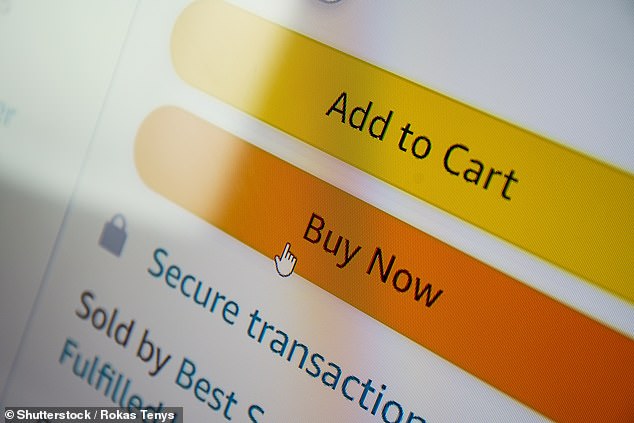
I put a stop to all Amazon impulse buys. It’s awful to admit it, but we were racking up £200 a month, says Antonia

Antonia has also cut her haircut from once every six weeks to once every 12 weeks
We stopped buying expensive coffee out. Tim was nipping out on the school run and grabbing a coffee for nearly £4 a go when we have a perfectly good machine at home – that immediately shaved £40 off a month.
We were a two-car household, and so I got rid of one, an old Ford S-Max, which I scrapped for £350. We then saved £400 a month in running costs.
Children are incredibly expensive to feed, particularly my six-foot-nine son. I had been spending £5 a day on expensive protein bars for the kids’ school snacks, £100 a month! Now I make a tray bake using a base of oats and peanut butter, which takes ten minutes, costs £7.50 and lasts all week.
It’s tricky to put a monetary value on all the little purchases that teenagers talk you into, such as a sweet treat at the shops after dinner, but I would guess it easily came to around £50 a month. I told them not to ask for any new clothes unless they were prepared to earn the money by doing jobs around the house. Emptying the bins and cleaning them every day for a week would earn them £20, for example. But far from costing me money, we saved because obviously they didn’t do any of it.
Next, I put a stop to all Amazon impulse buys. It’s awful to admit it, but we were racking up £200 a month. I introduced the 48-hour rule, that’s the length of time you must leave something in your online basket before you can buy it. It eliminates late-night clicking. You know things have got out of hand when packages arrive and you’ve got no idea what’s in them.
We were much more intentional about food shopping too. Previously, we were going to Sainsbury’s every day and buying ingredients for that night’s supper. But you never walk out with only what you need. I put the Ottolenghi cookbook away and dug out my old copy of Save With Jamie – something I bought years ago when we were living on a shoestring – and began shopping only for the dishes I was cooking. Jamie’s concept is brilliant: you cook one big meal and live off it for several days.
I’ll make a Sunday roast and turn the leftovers into stews, soups and bubble and squeak, all healthy and nutritious. Under the new regime, we’ve stopped having a fridge full of uneaten leftovers that would fester for a week before finding their way to the bin.
Our food bill went from £1,000 a month to £600 after I also banned buying food in Waitrose and Marks & Spencer. Walking into those shops for one item soon turns into several oh-too-tempting expensive items you don’t need. I now buy wine according to what’s on offer, I’ve stopped drinking during the week, and at the weekends I limit myself to two glasses a night by pre-pouring it into a carafe.
I had a monthly beauty subscription for £25 that I got rid of. All this retinol cream kept arriving, and I ended up with a glut of it. The luxury Purdy and Fig cleaning product subscription went too which saved a further £12 a month.
I cancelled a £30 a month gym membership that nobody could even remember setting up, let alone using. I called Sky and cancelled our TV package. The very next day they called me back and offered me a massively better deal which saved another £35 a month. You just need to be prepared to go through the painful process of cancelling it.
I was going to the hairdresser every six weeks for a cut and colour costing £120. Now I leave it 12 weeks until it’s absolutely desperate and my roots are so bad I look like a badger. But, hey, desperate times call for desperate measures.
Making these quite extreme savings has given us a financial reset, and I would encourage everyone to do it once a year to build financial resilience. Culling unnecessary spending is like decluttering a room; you feel so calm afterwards. Now that we’ve done the hard work of putting all this in place, I’m not sure we’ll ever return to our old bad habits.
As told to Jade Beer
investinginsiders.co.uk TikTok: @antonia_investing