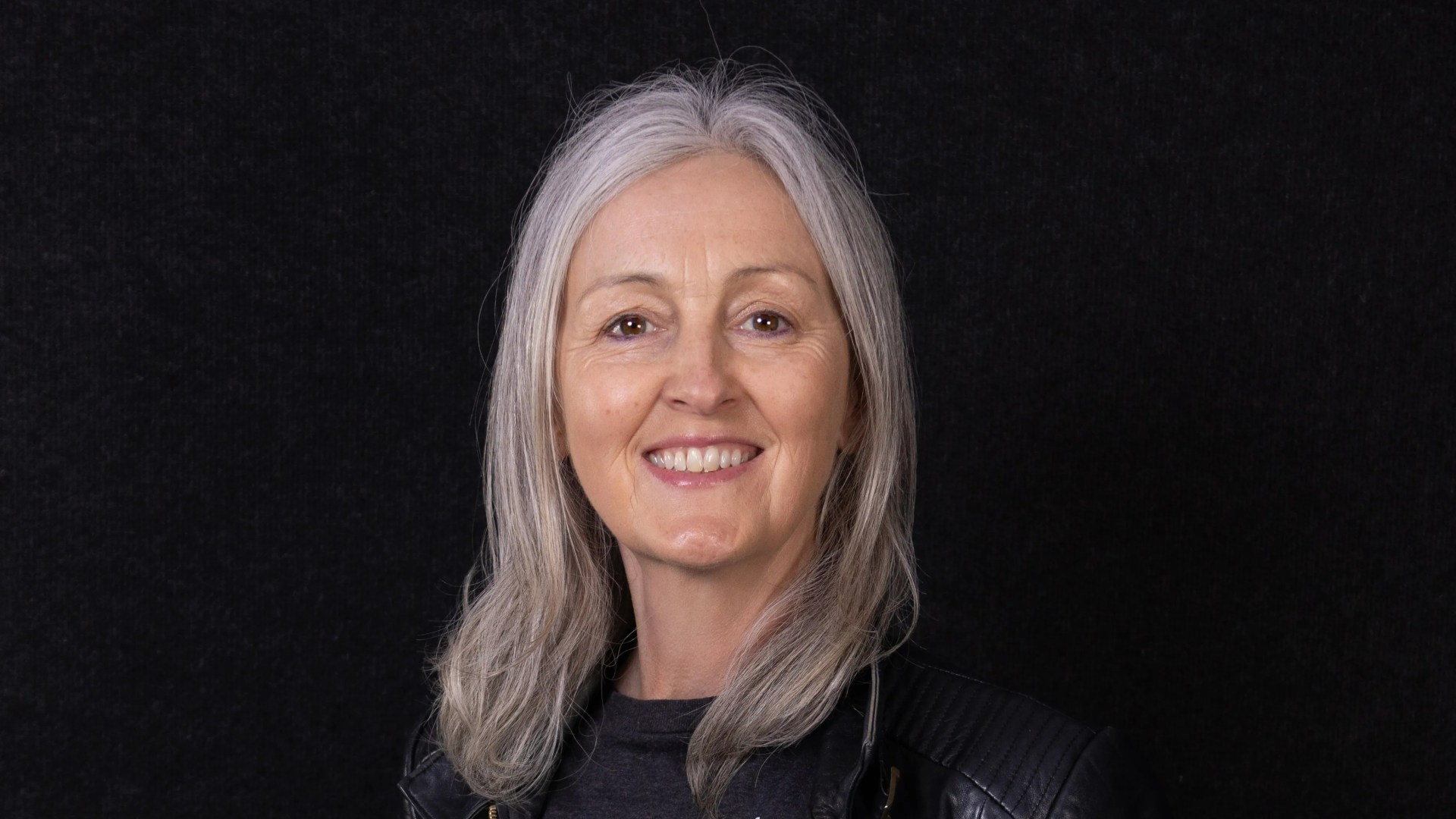
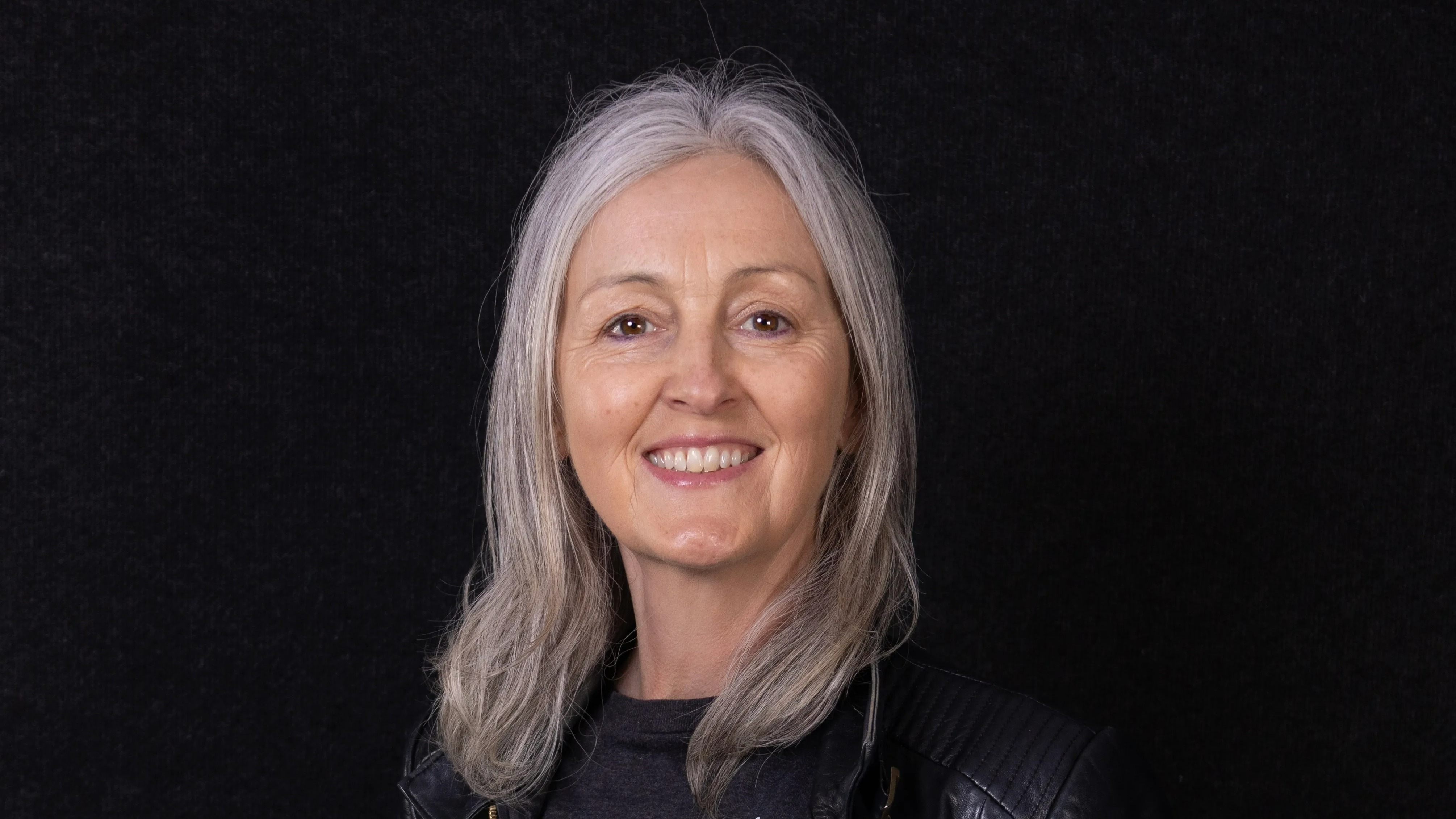
EVERY morning when she wakes up, the first thing Dr Julia Jones, 54, thinks about is getting the perfect sleep that night, so she steps outside and looks straight into the sunlight.
It’s just one of the 48 hacks the 54-year-old neuroscientist uses to keep her biological clock 20 years younger, fearing the same fate as her parents, who were victims of preventable diseases.
It is hard to reinvent yourself when you are in your 40s, 50s, she says.
“Many people are trying to change habits they’ve had for a lifetime.”
But Julie’s motivation was spurred on by the death of her dad, Malcolm, when she was only 30 years old.
He died of a heart attack in a hotel room when he went to the coast for a weekend to celebrate his 65th birthday.
Then last year, Julia’s mum Enid died of bowel cancer, aged 77.
Dr Julia, from Folkestone, Kent, says: “Both my parents were too young to die. They should have had decades left – lifestyle illnesses killed them.
”Dad would be 90 now. But he lost all those years of life because of his lifestyle. He’d only just retired, but he never even got to collect his first pension check.
“My parents had big dreams for their retirement and were planning to buy a little holiday home in Devon. Sadly, that didn’t happen.”
It shaped how Dr Julia saw the world and health, and now she runs a habit-change programme.
Julia knows that letting the morning sunlight hit the back of her retina is the best way to regulate her sleep cycle.
She also takes a cold shower, has a decaf Americano instead of a latte, takes the stairs instead of the lift and uses intermittent fasting.
“If you change just one habit, you can add years to your life,” she says.
“If you are doing something every day over the course of a lifetime, then it has a very great cumulative effect.”
By making simple swaps herself, Julia says she has added 20.1 years to her life expectancy, according to an online test at vitalityage.co.uk.
Julia grew up in Narberth, in Pembrokeshire, Wales, with her parents and sister, Sarah, 49.
Like many families in the seventies and eighties, her family grew up eating processed food.
“We lived off pizza and Vienetta,” she says. “If you’re inactive, it’s a double whammy.”
She says her dad was a rugby player, but he piled on weight when he stopped. Eventually, he was too unfit to walk to town for the newspaper.
“He probably put on a pound a year and didn’t notice until it became an issue for his health,” says Julia.
At 18 years old, Julia, studying sport and exercise science at Cardiff University, tried to help her dad lose weight.
But it made no difference as Malcom gave up every time.
While weight loss jabs such as Mounjaro and Ozempic are good at helping lose weight, people will often regain the pounds as soon as they stop taking the medication
His health would finally give up on his holiday with wife Enid.
Dr Julia says it upsets her that so many people are at risk of similar deaths to her parents – and the situation is worse now than it was then.
“People are still dying too young,” she says.
“I’ve got ten years until I’m his age. I don’t want to die of a heart attack at 65 – and I want to stop it happening to others. I want to prevent the devastation happening to other families.
“While weight loss jabs such as Mounjaro and Ozempic are good at helping lose weight, people will often regain the pounds as soon as they stop taking the medication.
“We bounce in and out of these fads but they don’t work.”
Julia’s habit reset programme sets people up to make just one tweak to their daily life. The 90-day programme initially saw 69 per cent of people sticking to new habits.
Dr Julia now plans to launch the Million Extra Years campaign to encourage others to embed a new habit.
“Obviously, some habits have more impact on your lifespan; kicking smoking is better than switching to decaf coffee.
“That said, if you are someone who struggles with sleep and drinks a ton of coffee, switching to decaf or cutting down could have a huge impact on your sleep and thereby your health.”
Here, Dr Julia shares her 15 most easily-adopted longevity habits.
1. SWEET STUFF
Swap milk chocolate for dark chocolate, which is significantly healthier thanks to its higher cocoa content, which is an antioxidant.
It also contains less sugar and fewer dairy additives, and offers cardiovascular benefits such as improved blood flow and lower blood pressure.
A study published in December 2025 found that of 1,700 people, those who had more of the substance theobromine in their blood appeared to have a lower biological age.
Study author Professor Jordana Bell, from King’s College London, says: “Our study finds links between a key component of dark chocolate and staying younger for longer.”
2. TWICE A DAY
Floss your teeth! Daily flossing is associated with better cardiovascular health, acting as a preventative measure against heart disease and stroke.
One study showed regular flossing was associated with a 22 per cent lower risk of ischemic stroke – the most common type.
Scientists from the University of South Carolina say the benefits, including lower infection risk and less swelling in the blood vessels, are separate from toothbrushing.
3. GO NUTS
Snack on nuts instead of crisps, which are high in saturated fats.
Nuts, on the other hand, are high in unsaturated fats, fibre, vitamins and minerals. Regular consumption has been linked with lower blood cholesterol.
But be mindful of their high calories.
Though almonds, peanuts, hazelnuts and cashews are all worthy additions to your diet, there is one ‘supernut’ that reigns supreme – the walnut.
A study published in the American Heart Association’s journal found that adults who ate about half a cup of walnuts every day for two years were able to lower their levels of bad cholesterol.
4. ALARM CLOCK
Have consistent sleep and wake times all week – even at weekends.
Getting quality sleep decreases stress, reduces the risk of chronic disease and improves nutritional choices the next day.
A tired, stressed brain tends to eat more junk food.
Studies have shown that when you don’t get enough shut-eye, the body makes more ghrelin and less leptin – leaving you hungrier.
The three habits that can add NINE years to your life
A recent study showed that just three very simple habits are enough to add almost a decade onto your life.
The University of Sydney showed that a few combined tweaks to sleep, diet and physical activity can increase an individual’s lifespan and years spent in good health.
The study, published in eClinicalMedicine in January 2026, looked at almost 60,000 people in the UK recruited between 2006-2010 and followed for an average of eight years.
By getting an additional five minutes of sleep, two minutes of moderate to vigorous physical activity (such as brisk walking or taking the stairs) and an additional half serving of vegetables per day could lead to an extra year of life for those who currently had poor sleep, physical activity and dietary habits.
Even better, getting seven to eight hours of sleep per day, more than 40 minutes of moderate to vigorous physical activity a day and a healthy diet, were associated with over nine years of additional lifespan and years spent in good health, compared to those with the worst sleep, physical activity and dietary habit.
5. SHORT WINDOW
Reduce your eating window, known as intermittent fasting – when you limit eating to a smaller window than you might be used to (e.g. 7am – 9pm).
Studies are mixed on whether it helps you to lose weight. But it gives the body’s cells a chance to do some repair work, instead of constantly digesting.
We have got into the habit of eating as soon as we open our eyes. That would be fine if we weren’t eating so late in the evening, too.
6. GET CHILLY
Take a cold water burst during your daily shower. The cold can trigger endorphins, the so-called “happy hormones”, to help improve mood, alertness and mental clarity.
It may also stimulate the immune system and potentially lead to healthier skin and hair.
7. DAIRY DASH
Replace a latte (lots of milk) with an Americano and a dash of milk.
The Americano is generally lower in fat, sugar and calories. If you have one a day, that saving adds up.
8. EARLY LIGHT
Go outside first thing in the early daylight.
Letting the sunlight hit the back of the retina helps regulate the sleep-wake cycle, improving sleep, which can improve all-round health.
We all have an internal body clock, and sticking to its expectations – daylight early in morning, reduced light at night – keeps systems like sleep on track.
9. STAY SPARKLING
Go for sparkling over fizzy…Sparkling water is refreshing – but without the sugar, calories and artificial ingredients of fizzy drinks.
You can add flavours, too, such as lemon and lime.
10. BOOZE CHECK
Reduce alcohol, such as by avoiding it Monday to Friday.
Benefits of cutting down include better sleep, fewer calories, weight loss and more energy – potentially even improving your looks!
11. SIGNED OFF
Stop checking emails after 6.30pm and learn to switch off. Reducing anxiety can improve sleep, mental health and physical health.
12. SUNDOWN
Use low lighting or dimmer switches in the evening.
Bright lights at night confuse the body’s internal clock, and this can affect the way your heart, blood pressure and metabolism work.
Can supplements boost your lifespan?
In a major study published in March 2026, research by Harvard and Mass General Brigham found that a multivitamin can boost biological age.
Older adults taking a daily multivitamin showed a slowing of biological aging by approximately four months over a two-year period.
Meanwhile, NAD+ boosters are popular among those trying to improve their biological clock.
NAD+ boosters include nicotinamide mononucleotide (NMN) and nicotinamide riboside (NR), which are precursors to NAD+.
NAD+ is a coenzyme vital for DNA repair and energy metabolism that naturally drops as we age.
But long-term studies are yet to prove they can actually increase human’s lifespan.
Urolithin A has emerged as one of the most clinically backed “longevity” molecules.
It is a postbiotic that triggers mitophagy—the process where your body recycles old, damaged mitochondria (the powerhouses of your cells).
Clinical trials published in Nature Aging (2025) showed it improves muscle strength in middle-aged and older adults – which is important, because strong mucles reduce the risk of falls, which can be deadly.
It may also rejuvenate the immune system.
13. WHOLEWHEAT WINS
Choose wholewheat pasta, bread and rice instead of white.
Diets containing plenty of wholegrains can reduce the risk of coronary heart disease, type 2 diabetes and certain types of cancer.
Wholegrains contain vitamins, minerals, carbohydrates, healthy fats and fibre.
The wholegrain germ also contains magnesium and potassium, which can help lower blood pressure.
14. CANCER BARRIER
Use SPF 50 daily on face and SPF 30 on rest of the body.
Wearing sunscreen is one of the best ways to protect your skin from sunburn, premature ageing and cancer.
15. OUT OF BREATH
Take the stairs instead of the lift.
This will boost your cardiovascular fitness, strengthen lower body muscles and burn more calories to help with weight management.
*Anyone can pick a habit and begin on their journey to get healthier – for free.
But for updates on Julia’s programme or to sign up, follow her on Instagram @drjuliajones