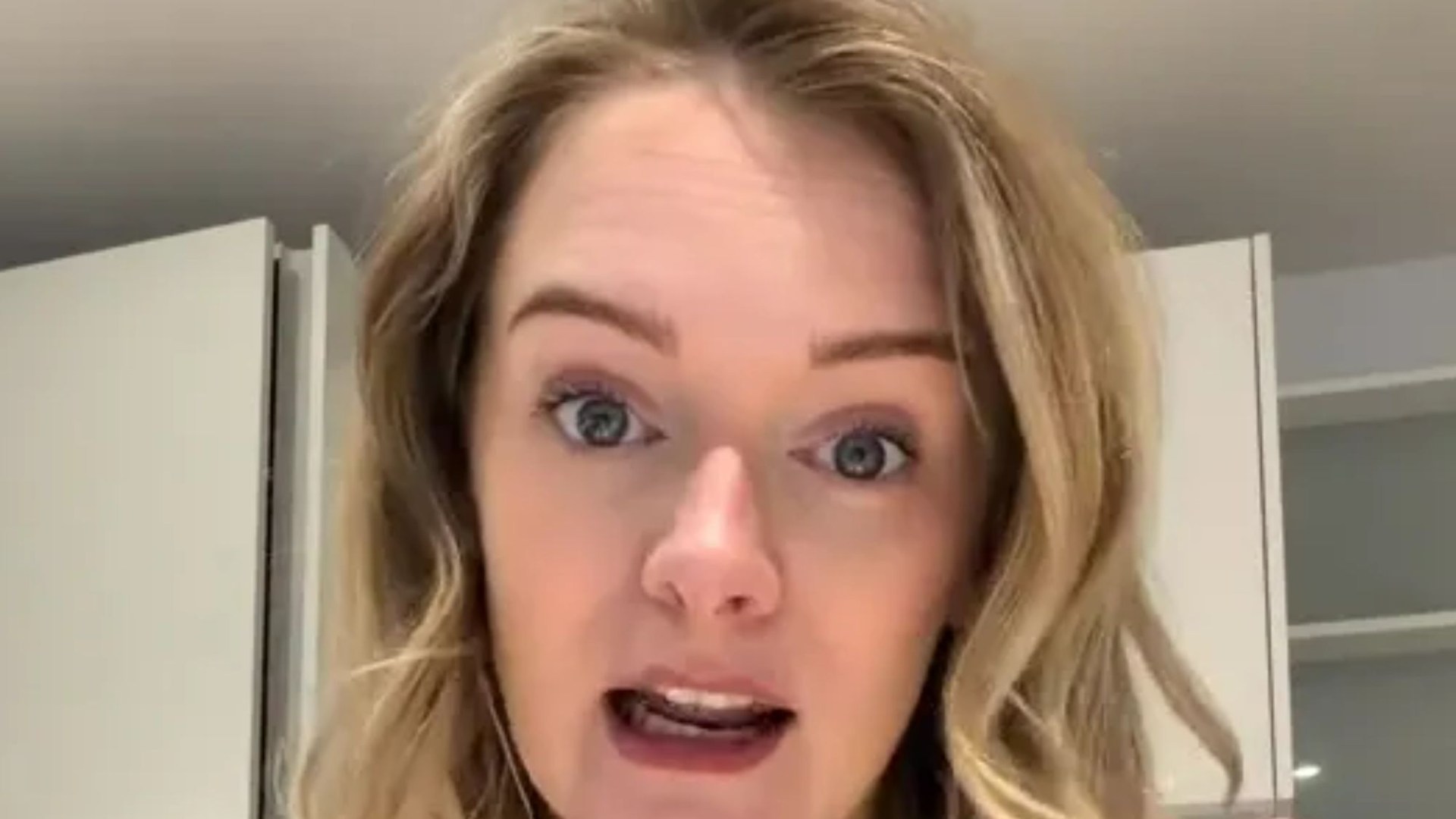
A MOTHER has shared the strict parenting rule she has for her toddler.
Hannah Morgan, a mum from London, revealed that she doesn’t let her daughter “dress like a child.”

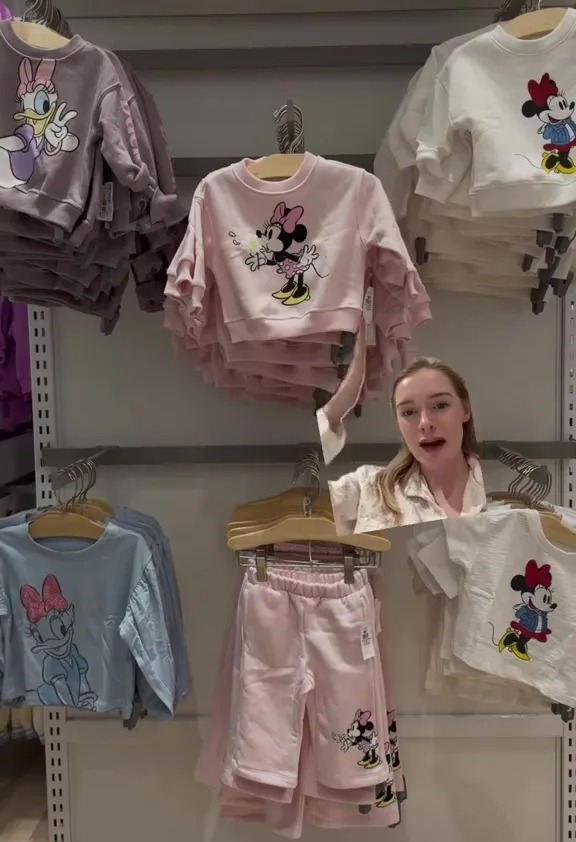
That means character clothing or anything with cute bunnies on is off the cards.
But Hannah, who has caused a huge divide on social media with her claims, doesn’t care if people call her a “bad mum” for how she chooses to parent and dress her daughter.
Posting online, Hannah uploaded her clip with the caption “I don’t care who says I’m a bad mum for not letting my child ‘dress like a child’. She will never leave the house in an Elsa top.”
Sharing her stance, the content creator then explained: “I always get complimented on how my toddler dresses and that is because I follow one very, very simple rule – if I wouldn’t wear it, she’s not wearing it.”
Read more parenting stories


Following this, Hannah expressed: “Would I personally wear a Lilo & Stitch T-shirt? No, so neither is she.
“Would I wear an embroidered bunny on the front of my T-shirt? No, so she’s not wearing it.”
Hannah recognised that any clothing with bunnies or characters – such as Elza from Frozen, or Minnie Mouse – are “saved strictly for pyjamas.”
As a result, the mother continued: “She can wear whatever she wants to go to sleep in, but if we’re leaving the house, Elsa is gonna be nowhere near the front of her T-shirt.”
Hannah’s TikTok clip, which was posted under the username @han.morgan, has clearly left many open-mouthed, as it has quickly racked up 672,200 views.
But social media users were left totally divided by the mum’s video – while some thought her fashion rule was “sad,” others were firmly on the same page.
One person snapped: “What if they make her happy? Kids should be allowed to wear stuff that makes them happy and that they like.
“They’re not fashion accessories used to get you compliments – they’re human beings who should be allowed to wear things they like.”
Another added: “This is a little bizarre. I get not liking character clothes but you’re not dressing an adult, you’re dressing a child.”
Different parenting techniques
Here are some widely recognised methods:
Authoritative Parenting
This technique will often foster independence, self-discipline, and high self-esteem in children.
It is often considered the most effective, this technique is where parents set clear expectations – enforcing rules – whilst also showing warmth and support.
Authoritarian Parenting
This is opposite to authoritative parenting, as it is where the parent sets high demands but is low on responsiveness.
It involves ensuring the child is obedient and often employ punitive measures. While this can lead to disciplined behaviour, it may also result in lower self-esteem and social skills in children.
Permissive Parenting
Permissive parents tend to be indulgent and lenient, often taking on a role more akin to a friend than an authority figure. They are highly responsive but lack demandingness, granting children a lot of freedom. This method can nurture creativity and a free-spirited nature but may also result in poor self-regulation and difficulties with authority.
Uninvolved Parenting
Uninvolved or neglectful parenting is marked by low responsiveness and low demands. Parents in this category offer minimal guidance, nurturing, or attention. This often leaves children feeling neglected, which can have significant negative effects on their emotional and social development.
Helicopter Parenting
Helicopter parents are extremely involved and overprotective, frequently micromanaging their children’s lives. Although their goal is to protect and support, this approach can hinder a child’s ability to develop independence and problem-solving skills.
Free-Range Parenting
Free-range parenting encourages children to explore and learn from their surroundings with minimal parental interference. This method promotes independence and resilience but requires a safe and supportive environment to be successful.
Attachment Parenting
According to Marriage.com, Attachment parenting focuses on physical closeness and emotional bonding, often through practices such as co-sleeping and baby-wearing. This approach aims to create secure attachments and emotional well-being, but demands significant time and emotional commitment from parents.
Each of these parenting techniques has its own set of strengths and weaknesses. The key is to find a balanced approach that aligns with the family’s values and meets the child’s needs for a healthy, happy upbringing.
A third commented: “That’s sad. Let her be a child and wear what she wants. Plenty of time for fashion when she’s older if that’s what she chooses.”
Meanwhile, someone else chimed in: “My 8 year old said you’re a meany.”
But at the same time, alongside laughing face emojis, one mother wrote: “I’ve found my people.”
A second said: “I’m with you on this. I buy my daughters what I like and would wear myself, I hate kids clothes that have characters on.
“If she wants K-Pop stuff it’s for dress up play but not to go out in. With you 100%.”
One mother admitted: “100% agree, I have a boy and he will not be wearing character clothes or shoes. Each to their own but I personally think they are awful.”
Whilst another parent explained: “I agree. The only time my children have character clothing is if it’s subtle. I don’t want a top with a massive sonic on it. It’s ugly.”
Unlock even more award-winning articles as The Sun launches brand new membership programme – Sun Club