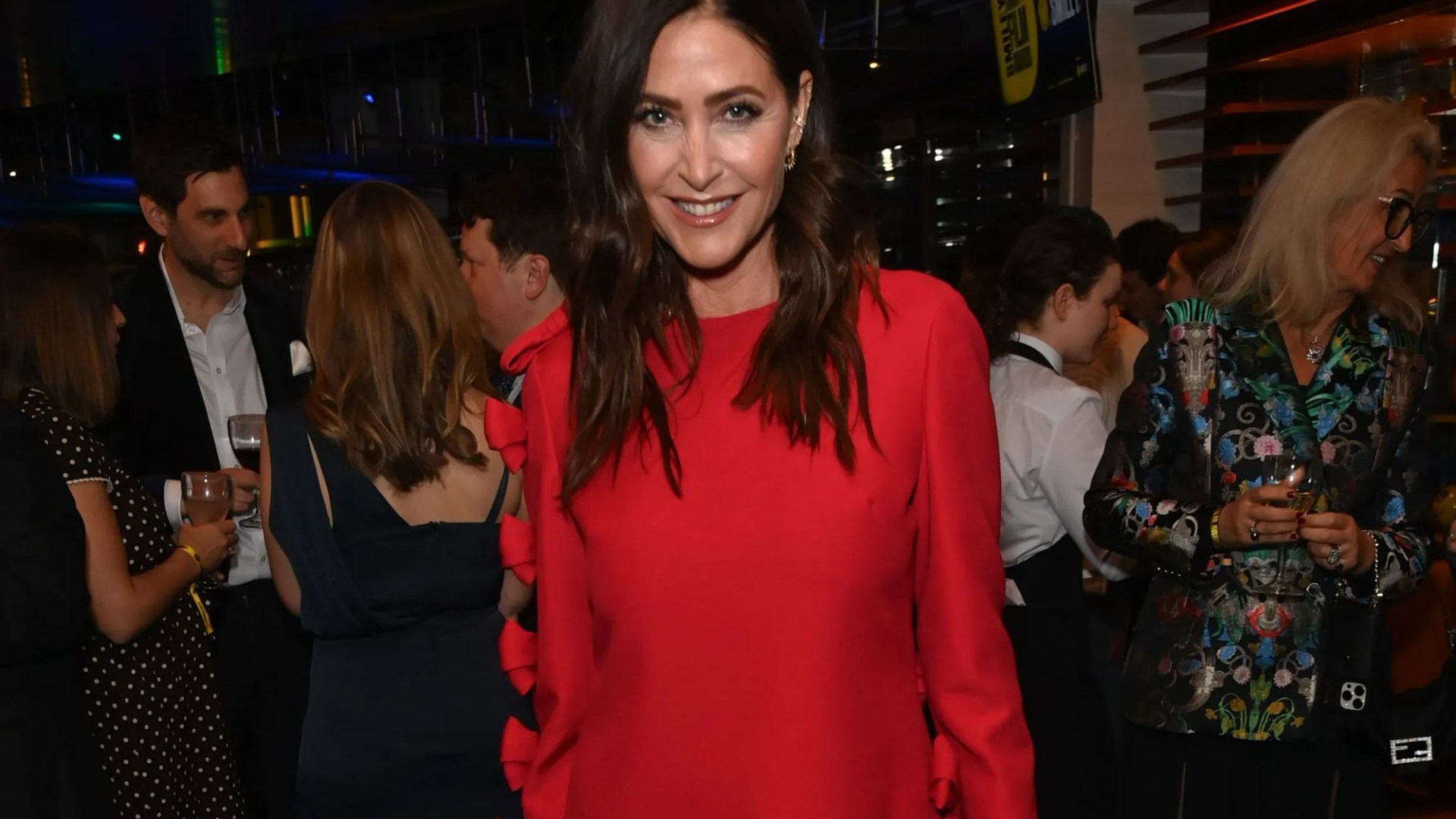
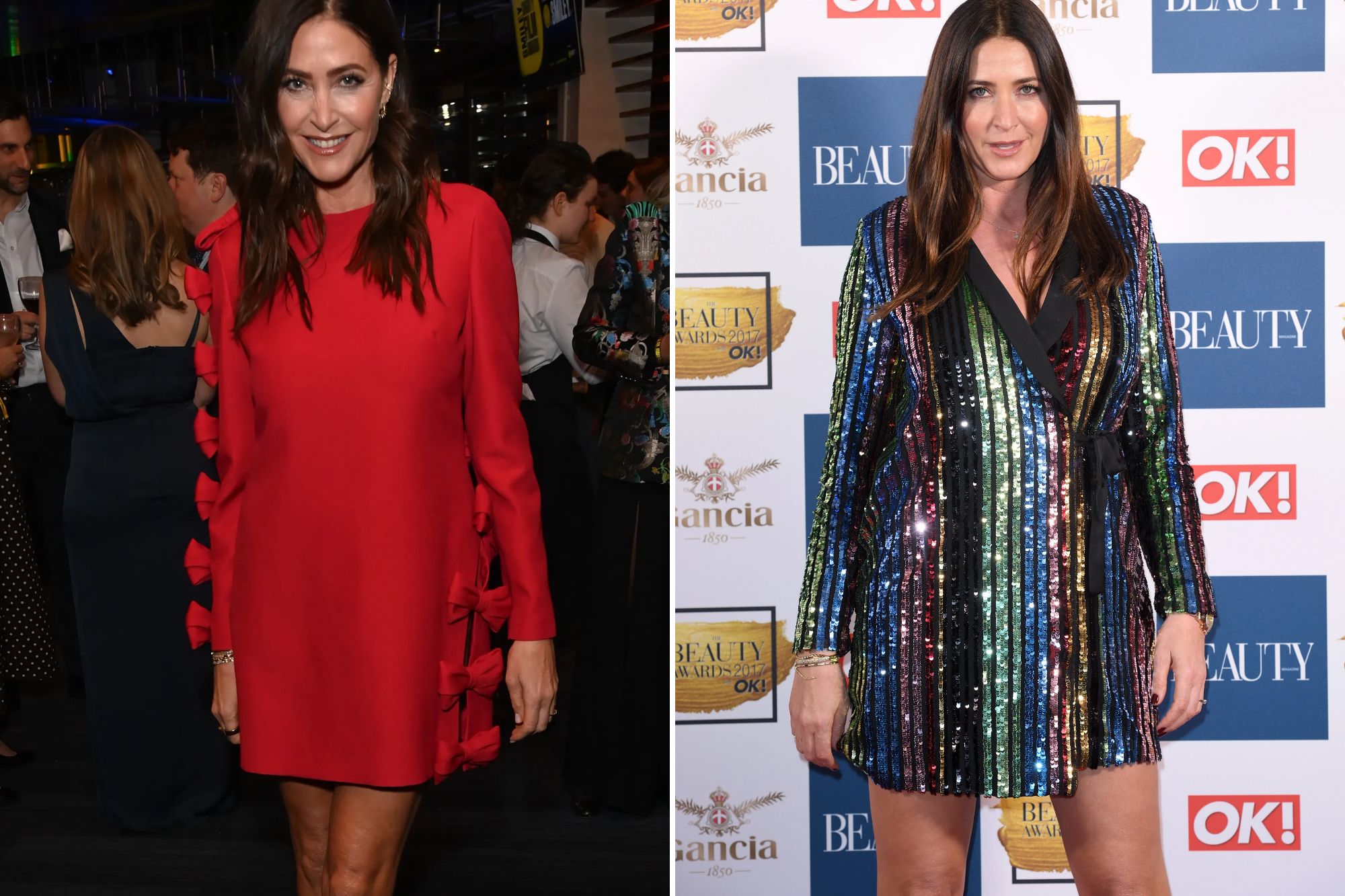
LISA Snowdon has admitted she hadn’t realised how much weight she’d gained until her favourite skirt turned into more of a “belt”.
The model and TV presenter ended up putting on the pounds during peri-menopause, which she hit in her mid-40s.
It was looking at pictures of herself that her partner George had taken during their holiday in Japan back in April 2017 that she realised how her body shape had changed, and even said she didn’t recognise herself.
“A week later, I was in Paris and realised that my leather skirt, which was usually a nice, normal (if short) length, was like a belt,” Lisa, 54, told the Daily Mail Online.
She then weighed herself, and was “astonished at the number” on the scales.
And while hormones were partly to blame for the weight gain, Lisa acknowledged that she was drinking a lot of coffee, “having too much booze and eating lots of white rice”, so decided to have a ” little talk with myself”.
Read more about Lisa Snowdon

One way she managed to shed some of the weight was by fasting – an approach she still abides by today.
Lisa sticks to having her last meal before 6pm, and will always choose “something light such as lean protein and vegetables” before she stops eating for the next 12 hours.
Doing so puts her body into a “calorie deficit”, as the This Morning star added: “I think it’s good to give your system a break and not constantly bombard your body with food.”
In fact, the 54-year-old always goes for a protein-heavy meal when she can, favouring “eggs, chicken, fish and beans”.
“The fact is, we need it for so many bodily functions, including building muscle so we can protect our bones,” she explained.
In addition, Lisa chooses foods that are good for her gut, as she said “gut health is massively important to me”.
The statuesque brunette told the outlet she’s “managed to lose most of the weight-gain associated with menopause”, but has also accepted that her body has changed as she’s aged.
“I’m a bit bigger than I was in my 20s, and that’s fine and totally normal,” she insisted.
And while she does still have weighing scales, she is more interested in the other figures it offers, rather than just her weight – such as “BMI, body fat, water and visceral fat”.
“I look at that stuff more than stones and pounds,” she said.
Despite the fact that Lisa managed to lose the weight naturally, she did reflect on whether or not she’d ever use a GLP-1 drug to help her slim down.
“Would I ever use a weight-loss jab if I was really struggling?” she mused.
What is the menopause and how does it affect women?
The menopause is a transitional period all women go through in mid-life.
Hormones related to the reproductive system deplete namely oestrogen, over a period of time.
This doesn’t just cause periods to stop. Sex hormones act all over the body, from the brain, skin, vagina and more.
Therefore, dozens of symptoms affect all areas of the body, to varying degrees.
Women’s experiences of menopause vary greatly. While some breeze through it, others’ lives are significantly impacted. It can feel as though it lasts a couple of years, or for decades.
It cannot be predicted how each woman will fare.
When is menopause?
Perimenopause is when symptoms start but periods have not yet stopped, although they will be irregular. This can start in the early 40s.
Menopause is when periods have completely stopped for a year. The average age this happens is 51, but it can be any time from 45 to 55, according to the NHS.
The term ‘menopause’ is used to describe the experience overall.
Menopause before the age of 45 is called early menopause, affecting five per cent of women. Menopause before the age of 40 is called premature menopause, affecting one per cent of women before 40 and 0.1 per cent of women under 30.
This may happen for no clear reason, but also as a result of surgery, genetics or medications.
A year after that the final period, a woman is considered to be entering the post-menopausal stage.
How does it impact a woman’s life?
The menopause can be an extremely testing time in a woman’s life and for those around her.
The body is going through a significant change, and the symptoms that come with it can feel alien, with women sometimes describing a loss of sense of self.
Physical symptoms include hot flushes (a sudden feeling of heat in the face, neck and chest), difficulty sleeping, night sweats, heart palpitations, headaches, muscle and joint aches, weight skin, skin changes, reduced libido, vaginal dryness and more.
Symptoms affecting mental health or cognition include brain fog, memory loss, low mood, anxiety, low self-esteem and irritation.
There are ways to manage symptoms and cope with menopause – and women need to know that they are not alone in facing it.
Medication, such as HRT or oestrogen gel, can help attack the symptoms.
However, experts often say it needs a rounded approach incorporating good lifestyle habits, such as a balanced diet and less alcohol.
Many women report that their life began after menopause after it drew them to a healthier way of living.
However, the huge burden it can have – on work, family life and more – is important for society to recognise, as adapting policies at work, for example, can make it easier for women to stick with their job.
Read more about menopause on The Sun’s Fabulous Menopause Matters campaign.
“I’ve seen some amazing research into them and how they’re helping people, especially perimenopausal women.
“So never say never.”