My suspicions were first aroused on one of our early dates. Nick and I had been seeing each other for a few weeks. He was funny and interesting.
At the time, I was living in Liverpool while Nick was in Surrey and, as I was in London for business, we met for lunch.
‘What are your plans for the weekend?’ I asked.
‘I’ll probably stay in with the children on Saturday and watch a Disney movie,’ he replied. ‘I might go to the pub on Sunday and watch the football.’ He later admitted he did this alone.
Nick was 42, divorced and had two young children who stayed with him several nights a week.
I was 32, single and was planning to spend Saturday night at a club with my girlfriends.
The Disney movie (Pirates Of The Caribbean) was one red flag but, for me, the main problem was that he wasn’t sharing his weekend with any mates.
When I pushed, it transpired this was a common pattern. He had a small, close-knit social circle – all lovely people – but they met infrequently and, outside of this, Nick was a loner.
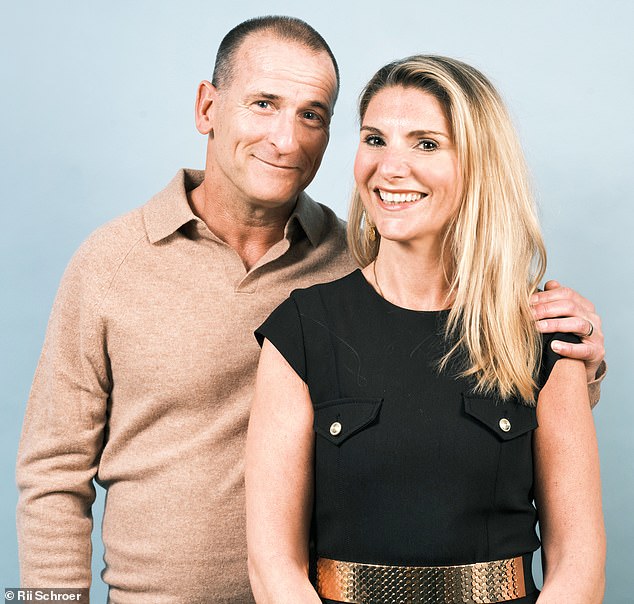
Stephanie Davies suspected early on in her relationship with Nick Harding that his social life wasn’t thriving
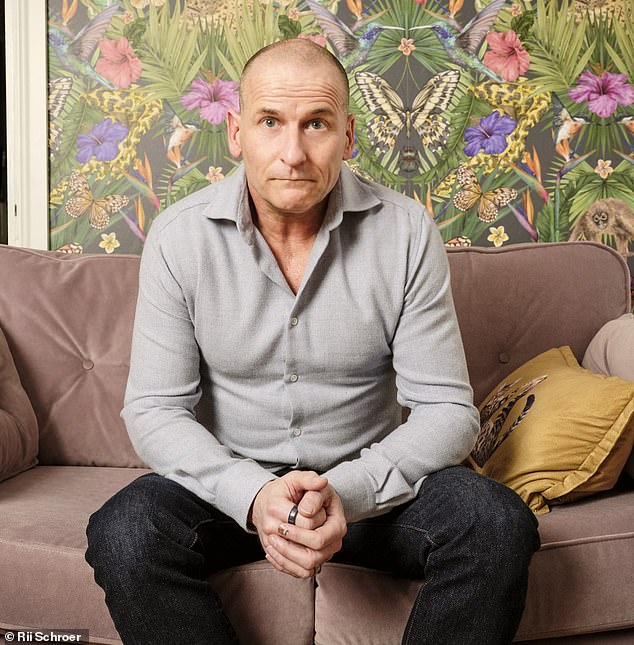
Nick had a small social circle that rarely met and his only interest was occasionally going to a boxing gym
He worked from home and would go days without any meaningful social interaction. He had no interests apart from occasionally going to a boxing gym where people scowled at each other.
It was strange, because he was outgoing, bubbly and sociable.
The difference between us was stark. I was still going out most Saturdays with my girls, heels on, music loud, dancing until closing time. I had, and still have, several close-knit social circles.
My besties are ‘my girls’ – the sort of friends I can text at midnight and know they’ll reply.
I also have a big, close-knit family, neighbours I chat to every day, and a great team at work. I have friends from the gym, friends from university and my gay best friend, Graham. To me, friends mean everything.
Nick, meanwhile, appeared hermit-like. He would occasionally go to watch West Ham with his father and his father’s friends, but most nights he stayed in with the kids. I’m not even sure he knew a babysitter.
We met in 2011 and I knew that if our relationship was to progress, this needed to change. I remember thinking, ‘He’s got to get a life.’
We first met when Nick got in touch with me through my consultancy company, Laughology. I’m a behavioural psychologist and specialise in the psychology of humour.

It felt romantic that Nick came all the way up north to see me when he could. But slowly I realised something uncomfortable: outside of work and his children, he was doing little else, writes Stephanie Davies

Stephanie tried to encourage Nick to go out more and meet people regularly
He was writing a magazine feature about happiness and had Googled ‘happiness expert’, and we talked on the phone.
A couple of weeks later, Nick was in Liverpool researching a book he was writing and said he’d like to meet up to learn more about my work.
We had dinner and clicked. We shared the same sense of humour, and we started seeing more of each other.
At first, it felt romantic that Nick came all the way up north to see me when he could. It was flattering. But slowly I realised something uncomfortable: outside of work and his children, he was doing little else.
There wasn’t a standing group of mates he saw regularly or any group interests, which was strange because he enjoyed going out with my friends and their male partners in Liverpool. He loved male company but he was living like a Billy No Mates.
This wasn’t the case with the other men in my life, who had groups of friends and did things together independently of their families. Whether it was cycling, meals out or the pub, they all valued that ‘boys’ time’.
While Nick did have close friends, he didn’t have a structured social life. I tried to encourage him to go out more and meet people regularly, because in my world friendships need to be fostered and maintained.
I grew to really love Nick but, if I’m honest, his lack of social life was a red flag for me.

In workplaces, for example, one of the biggest drivers of job satisfaction and resilience is having friends in the office to talk to when something goes wrong
His work was partly to blame. As a freelance writer he worked alone and socialised in bursts. When he was writing a book, he became consumed by it. That intensity dropped off a cliff when the project was finished. This on-off availability doesn’t lend itself to sustainable friendships.
Through my work as a psychologist I know how important close relationships are.
In workplaces, for example, one of the biggest drivers of job satisfaction and resilience is having friends in the office to talk to when something goes wrong.
People are happier when they have connections.
I didn’t think there was anything ‘wrong’ with Nick. I could see he was outgoing and people liked him. Certainly all my friends and family did.
I was just worried that something was missing from his life.
The first time I saw him properly relax into male banter was with my brother. They were teasing each other, laughing properly, and I thought: ‘There it is. That’s what he needs.’
A year after we met, I took the plunge and moved down to live with Nick in Surrey while we considered getting a place of our own. I was adamant that I wasn’t going to become the person who just stays in by default.
So I encouraged Nick to make friends and join some clubs, to do things.
If I’m brutally honest, sometimes I wanted him to go out.
Having previously lived alone, I was used to having time to myself, and sometimes I needed to be on my own. It was too much having him there constantly.
Plus, I didn’t want to feel like the only person in the relationship with a full social circle.
It was hard enough moving from the support networks I had in Liverpool and starting again in the south without having to be responsible for his emotional life too.
I wanted a husband who comes home with stories, who has had a laugh with someone else, who has been challenged or grounded or supported by people who aren’t me.
I struggled to adjust at first, and can attest that there are definitely big differences between Northerners and Southerners when it comes to friendliness. Southerners take much longer to open up. But I was proactive about meeting people and encouraged Nick to be too.
During our first Christmas together in Surrey, I asked Nick, ‘Why aren’t you having a Christmas party with the neighbours?’ He was horrified at the idea.
‘We don’t do that sort of thing in the South,’ he said.
I went round and knocked on every door myself, inviting them all. They came. They loved it. Several asked: ‘Why haven’t we done this before?’
I cajoled Nick into organising a party for his dad’s 70th and got everyone involved.
I encouraged weekly family gatherings and kept pushing Nick to make an effort.
These weren’t always easy conversations. I wasn’t criticising and I didn’t want him to feel inadequate, but I can sometimes come across as blunt when I say what’s on my mind.
I wanted him to benefit.
He often reacted in his typical way and joked about joining a chess club, but he did swap his insular boxing gym for a more sociable space.
Despite initial reticence, he started going to gym classes, which meant repetition, familiarity and connection with others.
He realised that you have to be proactive about friendships in adulthood, especially as a man. No one hands them to you, and those friendships tend to coalesce around activity.
Outside the gym he rekindled lapsed friendships. One old friend is now a regular social fixture, and their relationship revolves around long boozy lunches, theatre and gossip.
In 2013 we bought a house together in a village in Surrey and got married in 2016. We continued to grow our social circle there, both together and independently. It is a lovely, close community and a place where we both now have solid roots.
We have a life together and a life apart, which, to my mind, is the healthiest way to maintain a relationship.