More than material weapons might sway the war in Iran. As both Washington and Tehran are finding out, allies that would come to your assistance probably prefer to first share your values and not just mutual interests.
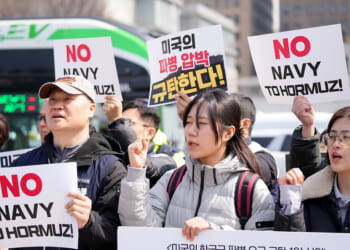
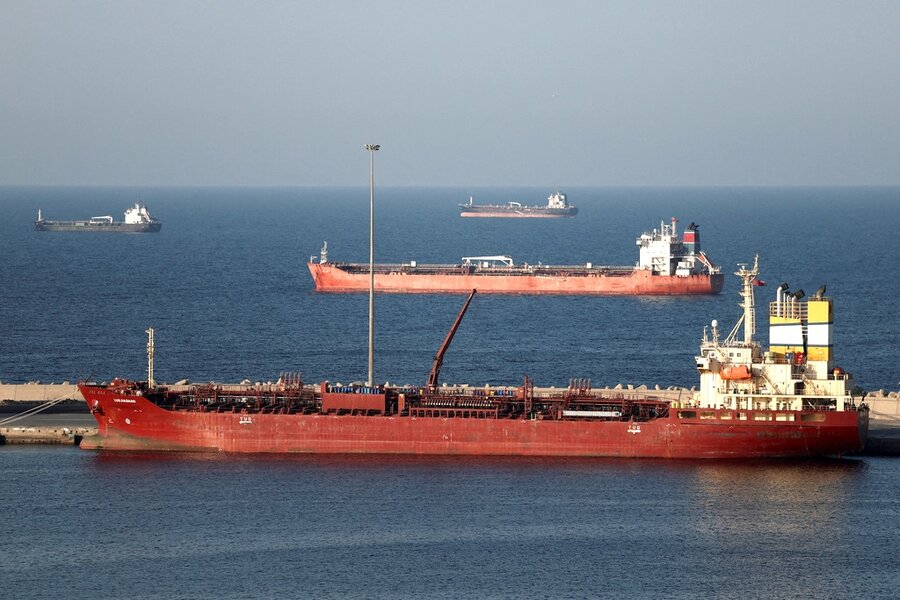
On Saturday, President Donald Trump put out a call to seven countries to send ships to defend the vital oil-shipping lanes in the Strait of Hormuz. The response has been largely halting – at best, hesitant. The international uncertainty over the legal premise for the U.S.-Israeli attacks on Iran is probably a hindrance to those nations in risking their military to protect petroleum flows. “This is not our war; we did not start it,” said Boris Pistorius, Germany’s defense minister.
For Iran, two of its most powerful partners, China and Russia, are largely playing a minor role in the conflict, focusing mainly on crisis management or diplomacy. In Gaza, Hamas has asked Iran not to attack its neighboring Gulf states, saying that the regional countries should cooperate “to preserve the bonds of brotherhood.” In Iraq, the pro-Iran Shiite militias are largely staying quiet, preferring to preserve their moneymaking enterprises. Only Hezbollah in Lebanon, a key part of Iran’s “Axis of Resistance,” has again come to Iran’s aid by attacking Israel – much to the regret of Lebanese citizens.
In times of conflict, ties between nations that are based on trust, respect, and rules of conduct can help restore peace, not to mention prevent a war. Such partnerships, especially if codified into international law, thrive on transcendent principles with universal appeal, such as political freedom or religious values that teach compassion and forbearance.
“The thing to recognize about international law is that when it’s most powerful, it’s actually pretty invisible. It shapes what you consider to be the available options in ways that you don’t really even notice because it’s so fundamental,” Oona Hathaway of Yale Law School told the Carnegie Endowment for International Peace. Most countries are not invading their neighbors, she points out, a simple fact about global norms that receives very little attention in the news.
Under the current Trump administration, the official national strategy report calls for “realism,” not “cloud-castle abstractions like the rules-based international order.” In Iran, too, a revolution once based on Islamic principles 47 years ago has descended into regime survival, even to the point of killing thousands of Iranians during just two days of protests in January.
The war in Iran could turn on how much either side adheres to practices widely accepted by humanity, or what Ms. Hathaway calls “principles that people believe in.”
“If you need allies, if you’re fighting really dirty, you’re going [to] have a much harder time getting … other states to support you,” she stated.
The near collapse of the international order set up after World War II now requires a creative rethink, she suggests. The war in Iran could be the contest that helps define new rules – in place of the ones now vanishing – that would still be able to end wars and preserve peace.