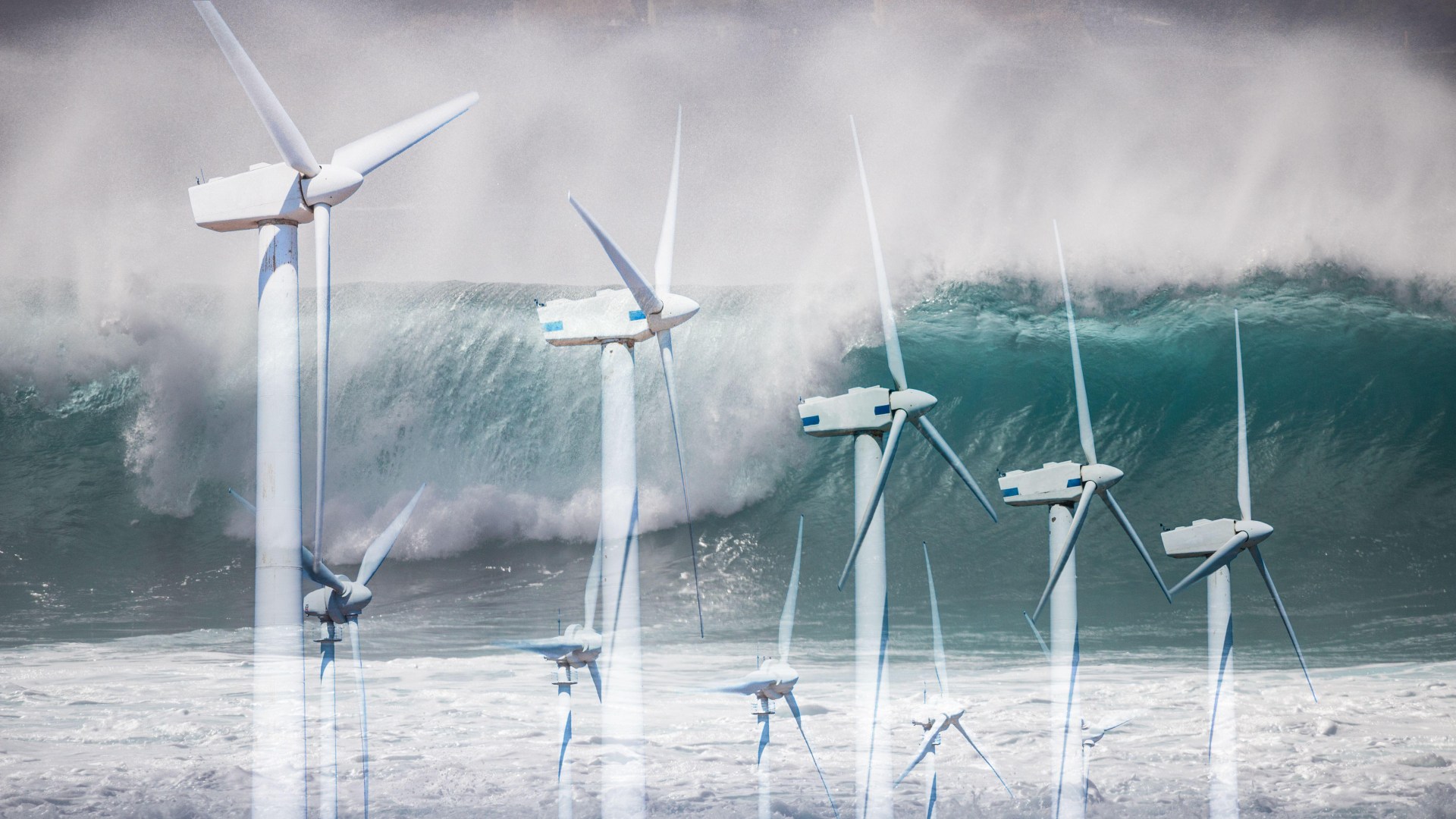

LABOUR’S plans to get the UK to Net Zero by 2050 could end up costing every household in Britain £500 a year.
Ministers have been warned that transitioning to meet green targets over the next 25 years could cost the country a staggering £350 billion more than taking a slower approach.
The UK could save an average of £14 billion a year if it abandons its legally binding target to reach net zero, according to the National Energy System Operator.
That works out at roughly £500 a year for every household in Britain until 2050.
The report warned the bill could climb even higher if gas prices fall below current forecasts, making green energy look even pricier by comparison.
In this scenario, the net zero premium could rise to an average of £19 billion a year over the next two decades.

Even in a world where gas prices do rise, the analysis found the Net Zero pathway would still be around £5 billion a year more expensive than a slower route.
The Tories’ shadow energy secretary Claire Coutinho said: “The public have been told the lie that Net Zero means cheaper energy.
“This report shows the truth – rushing to net zero is forecast to make our energy system £350 billion more expensive than going slower.”
The government body responsible for the UK’s power system said the extra cost of racing to Net Zero would hit hardest over the next decade.
Their report revealed the annual price tag could top £40billion in some years.
The study compared two futures, one matching Labour’s tougher clean-power plans, and another where Britain carries on broadly as it is now with more gradual emissions cuts.
The slower path would still see electric cars rolled out, but many homes would keep gas boilers and some power stations would continue burning gas.
In both cases, overall energy-related costs fall sharply from today’s levels by 2050.
But the Net Zero route only becomes cheaper after 2046, and is far more expensive in the early years.
Government officials pushed back, insisting the figures “do not reflect or predict” the actual cost of going green.
They said clean energy will bring long-term savings, boost energy security and support skilled jobs.
But it also said going greener quicker would offer more protection from extreme price shocks like those caused by Russia’s invasion of Ukraine.
Jess Ralston, energy chief at the Energy and Climate Intelligence Unit, said the findings show why the UK should keep pushing for Net Zero.
She said: “After decades of under-investment, upgrading the grid to unlock more British renewables and improve efficiency will create greater energy independence for the UK so that a future gas crisis won’t leave households, businesses and industry facing incredibly high bills.”
The study still highlighted the benefits of moving away from imported gas, according to the group.
They argued that investing in British renewables, modernising the grid, and switching to electric cars and heat pumps would make the UK less vulnerable to global shocks and “unlock local economic opportunities”.