A leading cancer hospital has been ordered to pay more than £6,000 to an unsuccessful job applicant after she complained her anxiety affected her ability to give concise answers under pressure.
Anahita Rezaei applied for a Pathology Operations Manager post at the Royal Marsden NHS Foundation Trust in February 2024.
Another candidate scored higher at the 40-minute interview and was offered the role, but when he turned it down the position was offered to a different candidate rather than Ms Rezaei.
Ms Rezaei, who was working as Associate Director of Laboratory Medicine at Royal Brompton NHS Foundation Trust at the time, complained that her anxiety disorder had affected her ability to give concise answers under pressure.
The Royal Marsden did not respond to her written complaint for several weeks.
An employment tribunal ruled that the hospital had failed in its duty to make reasonable adjustments, finding it should have reviewed whether Ms Rezaei’s disability had impacted her interview scores before filling the vacancy.
Ms Rezaei had ticked ‘I do not wish to disclose my disabilities’ on the equal opportunities section of her application form. She told the panel she had selected this in error.
She had also selected ‘mental health condition’ from a separate drop-down menu on the same form.

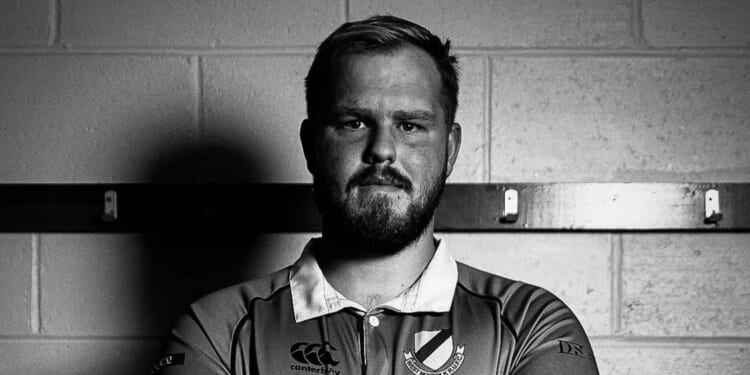
Anahita Rezaei had applied for a Pathology Operations Manager post at the Royal Marsden NHS Foundation Trust in February 2024

She has now been awarded more than £6,000 after the hospital failed to ask whether her anxiety would affect her interview answers
The tribunal noted that Ms Rezaei had provided no medical evidence that her anxiety had affected her performance and had not requested any special arrangements when invited to do so during the interview booking process.
It also found that the hospital’s recruitment records were incomplete, leaving the tribunal unable to confirm with certainty the final ranking of candidates.
Ms Rezaei had been ranked second and third by two of the three interviewers. But the hospital’s director of operations Judith Lucas’s scores and the overall summary sheet were not available for the tribunal.
The tribunal found this was ‘clearly a serious failing’ and it had affected ‘the respondent’s ability to evidence its position that the claimant’s scores were lower’ than another candidate’s.
The panel said it ‘is not clear to us who came second’ and, as there was no evidence the whole application was taken into consideration, the interview ‘operated as a tiebreaker’.
‘In our view, the interview process was flawed as it marked question by question, rather than competency by competency,’ the tribunal found.
In her rejection email, Ms Rezaei was told although she was ‘considered appointable’ another candidate had ‘answered the questions slightly more directly and succinctly’.
She responded that her mental health disability of anxiety ‘can affect clarity of mind and speech under pressure, particularly in interview situations’.
In April 2024, Ms Rezaei wrote to the hospital’s director of workforce Krystyna Ruszkiewicz where she complained ‘she felt rushed’ after the interview started five minutes late and raised further queries.
She received no reply, and ten days after her complaint the hospital offered the role to another candidate after their top-ranked applicant turned down the role.
Ms Rezaei did not receive a reply until June that year.
The tribunal found the hospital had taken ‘no steps’ to remedy a ‘potential unfairness’ when Ms Rezaei told them about her anxiety and could have reinterviewed both candidates.
Ms Rezaei, who represented herself at the three-day hearing in London, was awarded £6,000 compensation for injury to feelings, plus £840 interest and £880 in preparation costs – a total of £7,720.
Her other claims of disability discrimination and unfavourable treatment were thrown out.
Outlining its reasons for the judgment, the tribunal said it was a ‘one-off incident’.
‘While we acknowledge the claimant’s genuine distress, we have no medical evidence before us to link the respondent’s failure to make reasonable adjustments to any impact on the claimant’s health, particularly as the effects the claimant describes are a result of the entire process, parts of which we have not found to be discriminatory,’ they said.
The Daily Mail has contacted the Royal Marsden NHS Foundation Trust for comment.