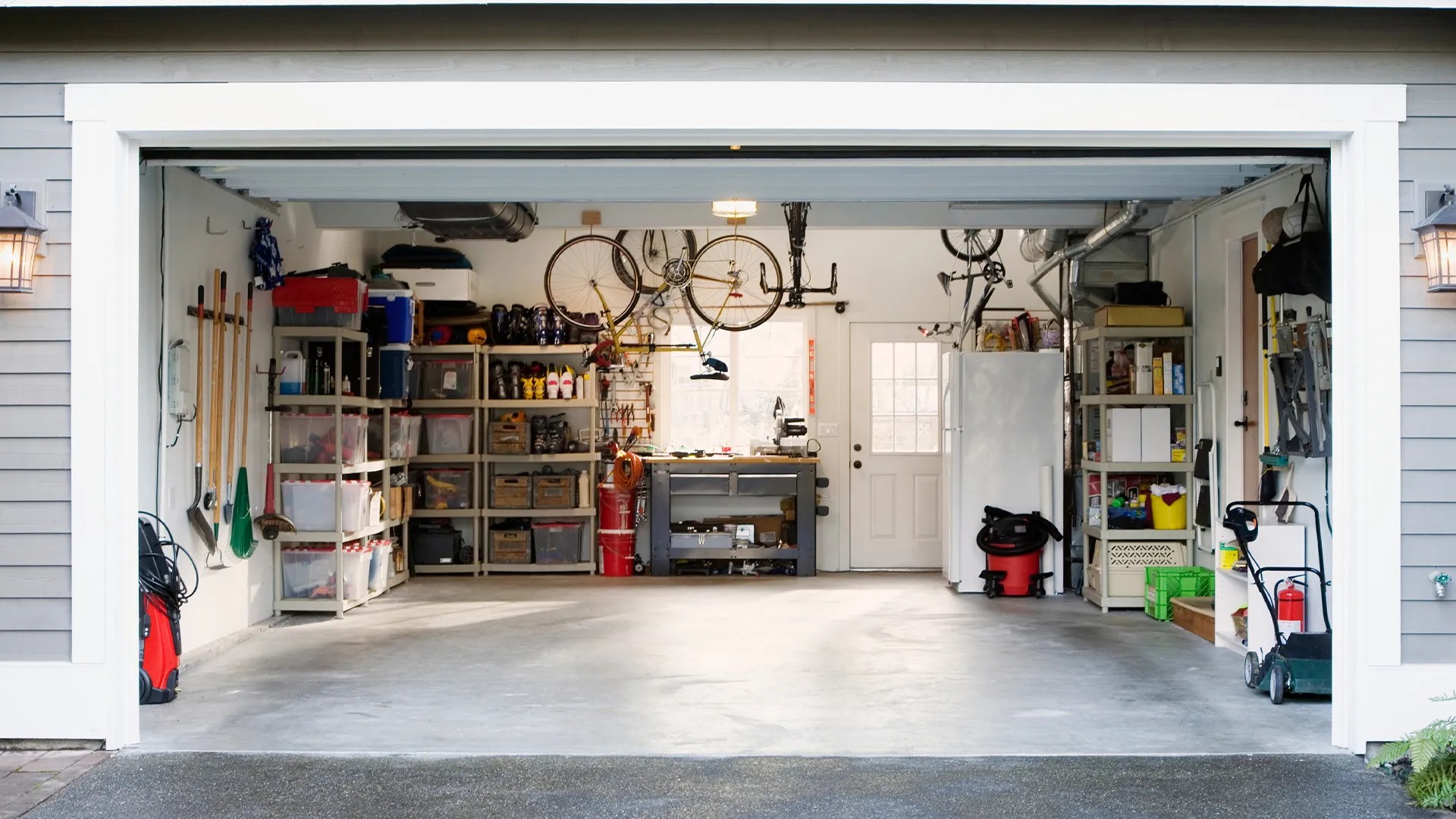
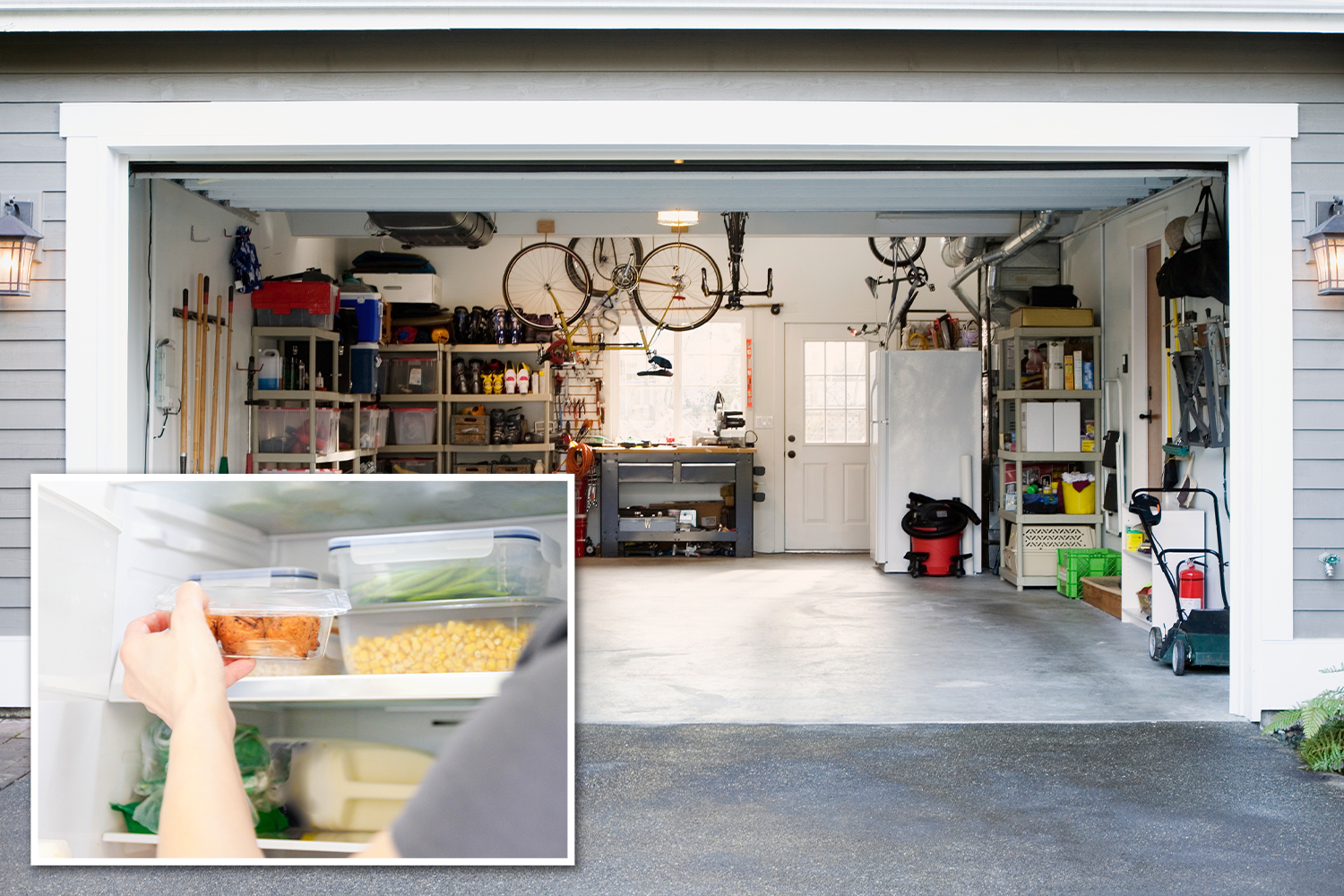
MANY homeowners are kicking their garage-housed refrigerators to the curb and saving big.
Tossing an old refrigerator in the garage seems like a great way to upcycle some costly appliances but the convenience of a frosty garage beer can add $300 to electric bills.
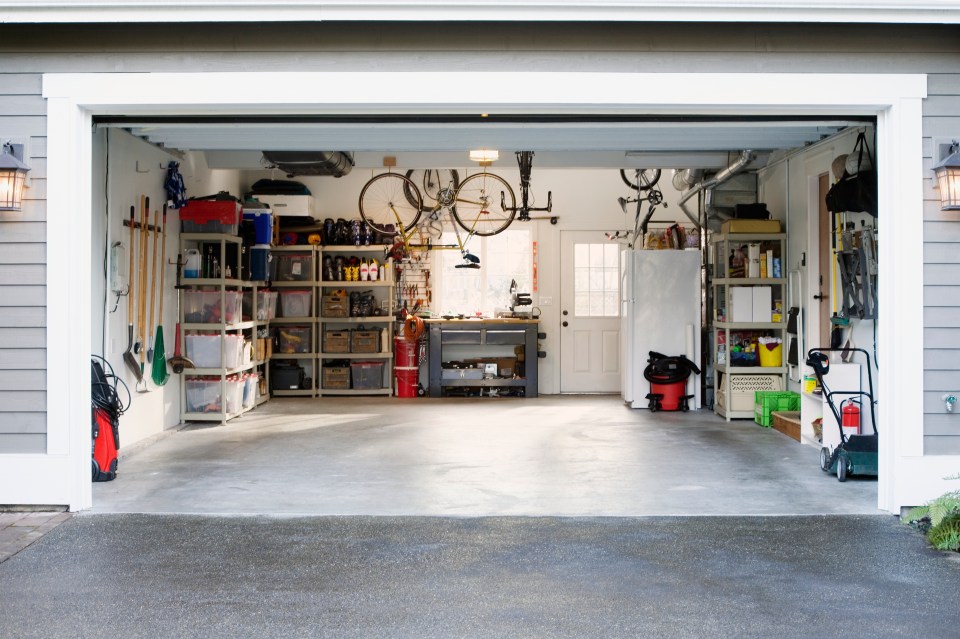

Refrigerators are meant to be operated in room-temperature rooms, which means unregulated garage temperatures can cause the fridge churn through energy and run up your electric bill.
This is especially true of older fridge models, which are often put in garages by homeowners for extra food storage.
A fridge manufactured in 1990 could potentially cost homeowners between $200 and $300 yearly to run, according to Garage Living.
Homeowners should only keep a regular fridge in their garage if they live in an area that has consistent temperatures year-round, and if that temperature falls within the fridge manufacturer’s recommended range, the site stated.

Warmer temperatures can cause the fridge to run constantly as it struggles to keep its interior cool.
That can result in not only a soaring electric bill, but could cause a total breakdown of the appliance.
Cold exterior temperatures are also damaging to a fridge’s freezer.
Cold temperatures in the garage can trick the fridge compressor, which is the fridge’s main mechanism for temperature control, into malfunctioning, especially in older models.
If the temperature in the garage drops below freezing, the fridge could no longer power the freezer.
This could lead to the food freezing over when the exterior temperature drops too low, or the items thawing out and spoiling when the exterior temperature increases without regulation from the compressor.
While outdoor fridges have the insulation and electrical components to account for changing temperatures that regular fridges lack, they are not a good alternative for garage use.
Outfitting a regular fridge with a garage refrigerator kit is another popular solution – but experts warn that it may not help energy efficiency.
The kit allows homeowners to attach heating pad or coil to the fridge’s thermostat to trick the fridge into thinking the temperature is higher than it really is.
While this could help avoid major malfunctions, it’s unlikely to bring the electric bill down, experts say.
Rather than trying to fix an old fridge, they recommend a fridge made specifically for garage use to withstand temperature and climate fluctuations.