SLEEPING seven hours per night might add years to your life.
A study found people who do not get enough kip were 24 per cent less likely to die young.
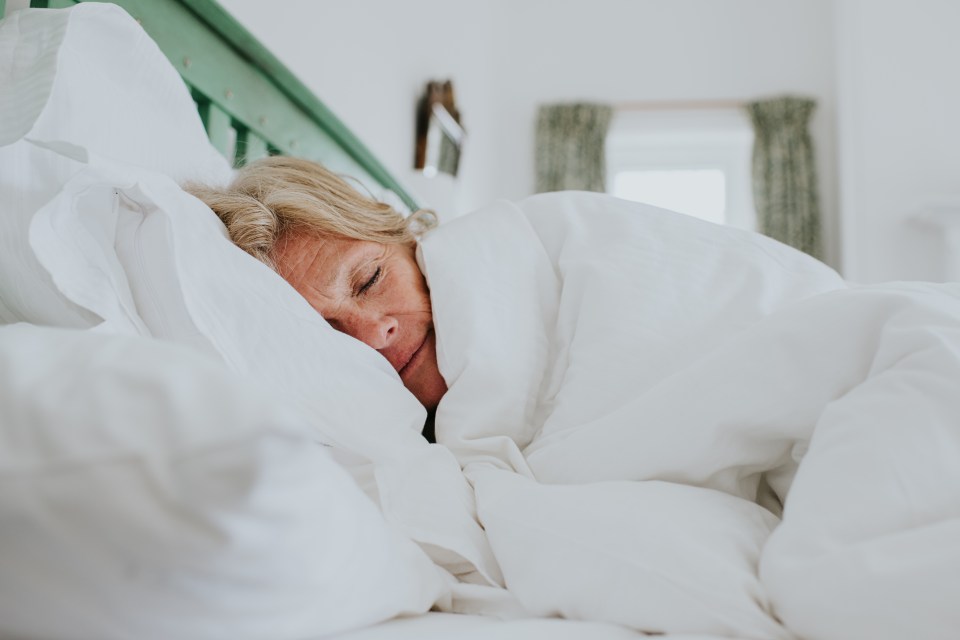
Analysis by health insurer Vitality and the London School of Economics estimated healthy bedtime habits could extend life expectancy by up to four years.
But it found 90 per cent of Brits have bad habits such as not sleeping enough, a different bedtime each night, or poor quality sleep due to stress.
Dr Katie Tryon, deputy CEO at Vitality, said: “For most people, the problem is not a disorder but routine.
“Getting to bed 15 minutes earlier every night, or picking up a book rather than watching one more episode can make a significant difference over time.”


Only 4 in 10 get right amount of kip
The report tracked 47million nights of sleep from people around the world.
It found 41 per cent of people in the UK get less than seven hours of sleep per night.
About 42 per cent get the ideal amount recommended by the NHS, seven to eight hours, it said.
Those who do not get enough shut-eye are at greater risk of mental health problems and physical illnesses like heart disease, type 2 diabetes and cancer.
The report estimated people with ideal sleep habits such as getting seven hours per night and nodding off at the same time each night, could expect to live two to four years longer than poor sleepers.
That compared to a predicted six-year boost for regular exercise and five years for staying slim.
It said: “Improvements from better sleep could translate into approximately two to four additional years of life and, with them, a higher quality of health throughout.
“The earlier in life these habits are formed, the greater the cumulative gain.”
Sleep wrecked by screens
The experts warned that our rest is “under siege from the modern world” and added: “The glow of screens keeps us awake by tricking the brain into thinking it is still daytime and suppressing the melatonin that normally heralds sleep.”
They said people can sleep better by having the same sleep and wake times every day, switching off screens one hour before bedtime and having a calming evening routine like reading.
The report estimates that improving sleep habits in just a quarter of UK adults could save the NHS £1.35bn per year.
Professor Joan Costa-i-Font, from the London School of Economics, said: “Sleep behaviours aren’t just about feeling rested.
“The potential impact on health and the economy is profound.”
How sleep expert Dr Neil Stanley gets a good night’s sleep
Dr Neil Stanley, who has been studying sleep for more than 40 years, says: “I think that if you are going to give advice about sleep then you should at least practice what you preach, so I…
- Sleep on a 6ft super king-sized bed with pure wool, long, continental single duvets, pure cotton bed linen and two down and feather pillows
- Wear cotton pyjamas
- Sleep with a window open
- Have no TV, computer or radio on in the bedroom
- Read a paperback book before turning the lights off
- Get up as a soon as I wake up
- Turn the bedside light on and read for 10 to 60 minutes if I wake up in the night
- Need nine to 9.5 hours of sleep a night to feel my best
- Go to bed between 9.30pm and 10.30pm and get up between 6am and 6.30am, even at weekends
- Do not exercise in the evenings
- Do not eat late at night
- Have a paper and pen next to my bed to write down my worries and thoughts in the night