
WHITE van men are facing a tax bombshell as annual bills have quadrupled under rules introduced by Chancellor Rachel Reeves.
Thousands of tradespeople and small business owners who rely on double-cab pick-up trucks are being hammered by a little-known tax hike quietly introduced back in April 2025.
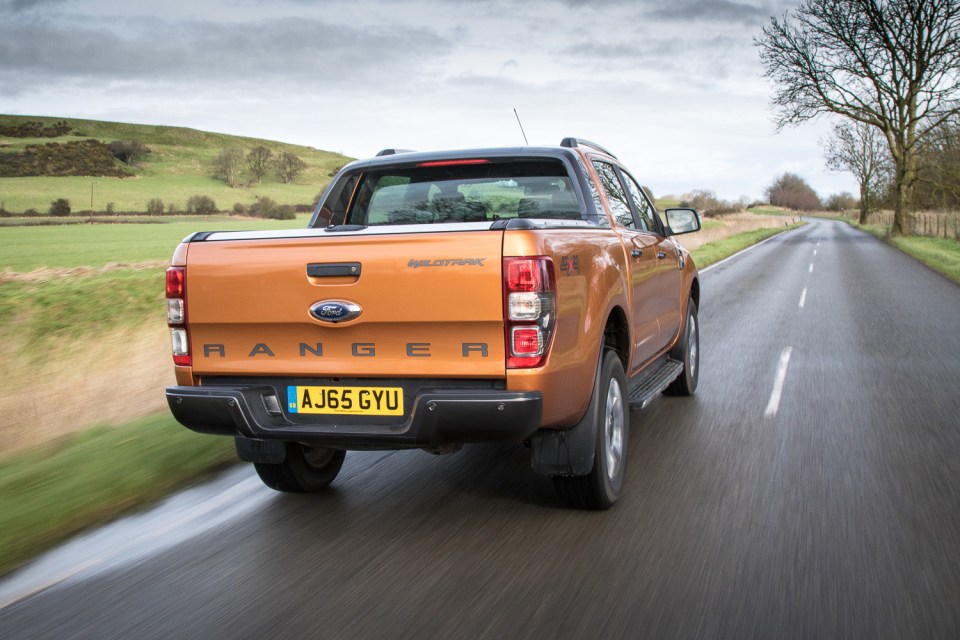
Experts say a “little-known tweak” in the 2024 Budget has reclassified popular workhorses like the Ford Ranger and Toyota Hilux, treating them as cars rather than vans for tax purposes.
This change silently hits the occupations that keep Britain running.
It is not just office fleets that are affected.
The change impacts farmers needing a rugged vehicle for the fields and builders carrying crews to sites.


It also hits self-employed electricians who need the flatbed for tools but the back seats for the school run.
For years these double-cab pick-ups were a tax-efficient way to have a vehicle that served both work and family life.
These are trucks defined by having a second row of seats behind the driver to carry up to five people.
Now the government has closed this loophole.
They argue that because these vehicles are equally suited to carrying passengers as they are to carrying paint pots, they should be taxed like a family SUV.
The benefit in kind explained
Up until April 5 last year, brand new double-cab pick-ups (trucks with two rows of seats) were treated as vans.
This offered a massive perk because vans attract a flat “benefit in kind” (BiK) value of just £4,020.
A basic rate taxpayer on the 20% band pays just £804 a year for their work truck under current rules.
Higher rate taxpayers on the 40% band pay just £1,608 a year for the same vehicle.
But for any double-cab pick-up ordered or registered on or after April 6, 2025, the taxman now views it as a standard car.
Because these trucks are often heavy and produce higher CO2 emissions, the tax is calculated on a percentage of the vehicle’s list price which leads to a massive bill.
As a result, business up and down the country are being forced to ditch certain company vans.
Simon Down from consultancy Deloitte has warned that buying new vehicles under the revised tax treatment now leads to significant cost increases.
How you’re stung
We crunched the numbers to show you exactly how much extra you could be coughing up to the Treasury from April 2026.
A standard Ford Ranger Wildtrak with a list price of around £48,000 emits enough CO2 to fall into the top 37% tax bracket.
If you were handed the lease of this car after April 6 2025, the taxable benefit value of this truck will have shot up from the flat van rate of £4,020 to a massive £17,760.
This means a basic rate taxpayer who currently pays £804 a year will see their bill rocket to £3,552 a year at the end of the financial year.
A higher rate taxpayer would see their annual bill jump from £1,608 to over £7,100 which is an increase of more than £5,000.
The tax implications become much more severe if your employer pays for your fuel, but the cost depends entirely on whether you drive a van or a car.
Under the van rules, the government sets a low, flat fuel benefit of roughly £769, which keeps the tax bill very manageable.
This means a basic rate taxpayer pays only £153 a year, while a higher rate taxpayer pays just £307.
However, there is no fixed flat rate under the car rules, so the taxman takes a standard sum of roughly £28,200 and multiplies it by the vehicle’s specific emission bracket percentage.
Because the Ford Ranger Wildtrak falls into that maximum 37% bracket, the £28,200 figure is multiplied by 37% to create a massive taxable fuel benefit of £10,434.
As a result, a 20% taxpayer driving this truck would end up paying over £2,000 in fuel tax alone.
A Treasury spokesperson said: “Following a judgement by the Court of Appeal, Double Cab Pick-ups should now be treated as cars for certain tax purposes, and we have put in place rules to help businesses transition to the new system.”
IF your employer gives you a vehicle that you also use for personal life (like the school run or grocery shopping), the government treats that vehicle as extra income and taxes you on it.
However, you’ll pay a different amount depending on the type of vehicle.
The “Van” Way (current rule for pick-ups)
- How it works: This is a Flat Rate system. It assumes every van is worth the same amount of “perk” value to the employee, regardless of how fancy or expensive the van is.
- The fixed value: The government sets a fixed “taxable value” for all vans at £4,020.
- The calculation: You simply pay your income tax rate (20% or 40%) on that fixed £4,020.
- The result: A 20% taxpayer pays £804 per year and a 40% taxpayer pays £1,608 per year.
The “Car” Way
- How it works: Vehicles classed as a car are treated with a sliding scale system. It is based on how expensive the vehicle is and how much it pollutes (CO2 emissions). Because double-cab pick-ups are heavy and have high emissions, they will soon get hit hard.
- The variable value: Instead of a fixed number, the taxman looks at the vehicle’s list price and multiplies it by an emission percentage.
- How will this work in practice? A Ford Ranger costs £48,000. Because it has high emissions, it falls into the 37% bracket.
- The “perk” value: £48,000 × 37% = £17,760 (This is the new amount you are taxed on).
- The calculation: You pay your income tax rate (20% or 40%) on that new, much higher £17,760 figure.
- The result: A 20% Taxpayer pays £3,552 per year and a 40% taxpayer pays £7,100+ per year.
Blow to traders
Experts warn this hurts the little guy the most, especially plumbers, builders, and electricians who need these rugged vehicles for work but also use them for the school run or weekly shop.
Matt de Prez, editor of Fleet News, said small businesses such as plumbing companies will be affected more by the changes as drivers often use work vans for personal use too.
Sarah Coles, head of personal finance at Hargreaves Lansdown, said: “Where companies have flexibility to change their fleet, it could restrict choice.
“But where they are stuck with a particular model for a period it could quadrupole their tax bill.”