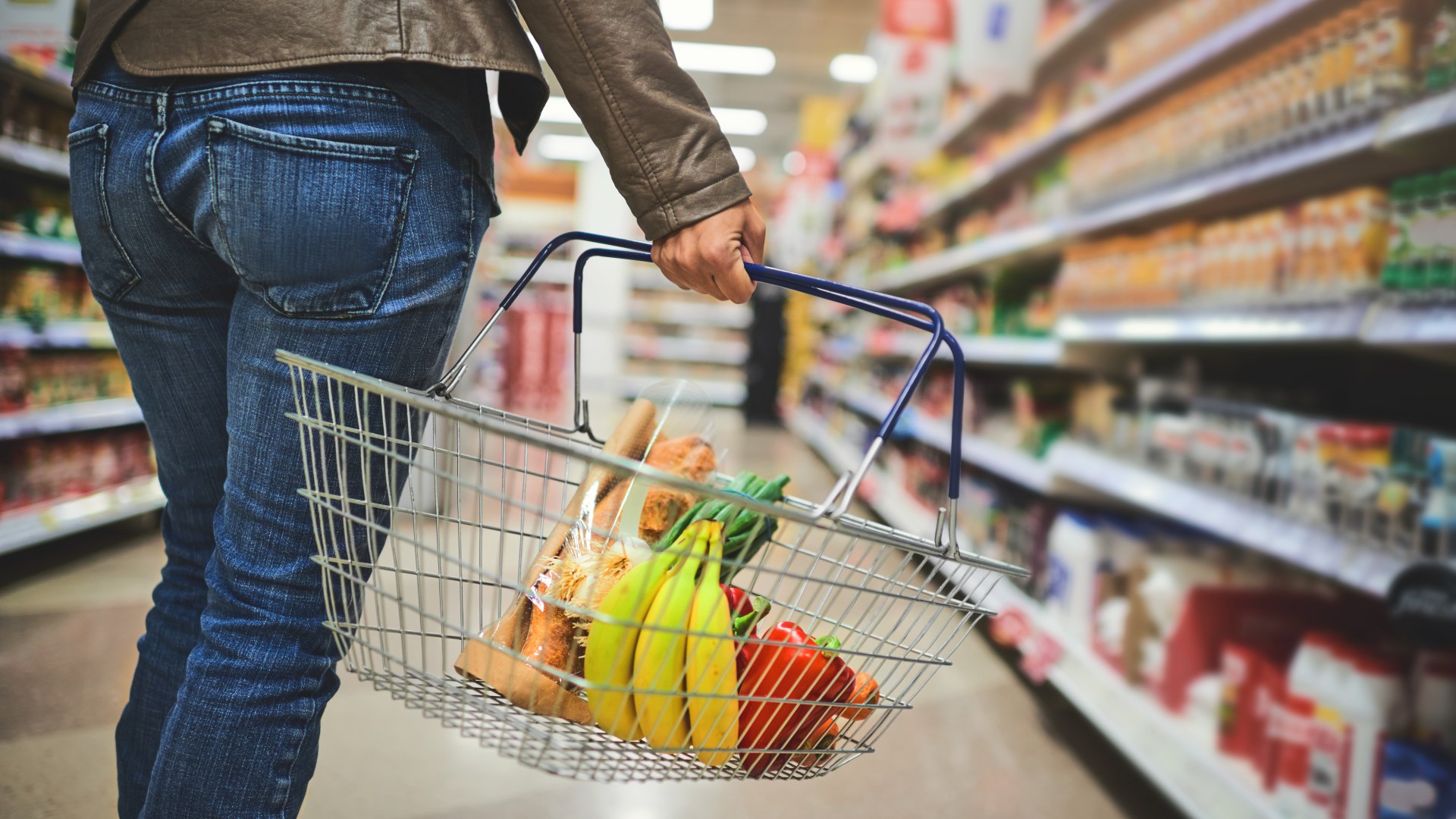
SUPERMARKETS are getting pricier — so how can you rise above the madness and bag the best value on your weekly shop?
We spoke to retail insiders who shared their top tips for bossing the bargain hunt.
Soaring food prices saw inflation skyrocket to 3.8% in July — and it’s stayed stubbornly high ever since.
A basket of groceries that cost £100 a year ago now costs £104.50, with jumps in dairy, coffee and beef pushing the recent spike.
Luckily, these bargain boffins have all sorts of tips — like the best apps to use, dodging the trolley and little-known discount hacks.
It turns out, one simple bottom-shelf trick could save you over £500.

And a nifty piece of gadgetry could knock 50% off your shopping bill.
Try the backwards shopping trick
You have to be on your A-game from the moment you step through those sliding doors, says Sarah Johnson, founder of Flourish Retail.
“Supermarkets are designed for you to follow a set route that maximises your exposure to offers,” Sarah says.
That means eye-catching promotional items are placed where you walk in — but don’t necessarily offer the best value.
Sarah, who specialises in big business merchandising, says: “Start at the other end instead — you’ll see everything differently.
“You’ll spend less time in high-margin areas, and avoid those impulse displays placed where you naturally pause.”
Beware of supermarkets’ sneaky middle aisle ‘strategy’
Supermarkets like Aldi and Lidl are famous for their middle aisles – but Professor Cathrine Jansson-Boyd, a professor of consumer psychology at Anglia Ruskin University, says you should avoid it “entirely”.
She says they’re not necessarily the bargain bonanza people think – and are actually part of a little known marketing “strategy”.
“Consumers get bored. So the supermarket wants to give you a bit of excitement,” she says.
“That’s why you’ve got the fresh food and then the middle aisle.”
Cathrine continued: “You get enticed by the random goods, get that psychological break, and then you’re refreshed and ready to buy more!”
Entire communities with millions of followers have sprung up on Facebook, with shoppers boasting about their bargain air fryer, or marked-down slippers.
She added: “I would avoid the middle aisle entirely, because the reality is you don’t know what’s in there or if you’ll actually get a bargain.
“It probably wasn’t something you intended to buy — it’s that “yay, I got something!” feeling, but did you need it?”
Wheelie baskets are the new enemy
Super-savvy shoppers switch on from the moment they step out of their car, Sarah says.
Rather than grabbing the first trolley you see, consider holding off and taking a basket when you get inside.
Sarah says: “Trolleys subconsciously make you buy more to ‘fill the space’ — even a small one can make your spend creep up!”
But supermarkets have caught on to trolley-dodging customers, and wheeled out a new kind of handcart to keep you spending, Cathrine says.
The consumer professor pointed out that many shops have unveiled larger, deeper baskets on wheels.
Fear not – those traditional baskets are often still there. You just have to find them.
Cathrine said: “They deliberately move the shopping baskets away from the entrance.
“Take your time and go to the baskets stacked under the tills. If you’re going to spend 40 minutes shopping, what difference will 20 seconds make?”
Slowing down and taking your time can also help when drawing up your shopping list.
If you plan your meals and write down the ingredients you need, rather than drawing up a random list of items, you could shave money off that final receipt.
This way, you won’t be tempted to over-purchase and be left with a fridge full of unwanted grub.
For inspiration, Sainsbury’s online recipe section has “Feed the Family for a Fiver”, and the Tesco Real Food site has a range of “budget dinner” recipes.
Time for laser-focus
Have you spotted those handheld scanners at your local supermarket? They’re not just there for show.
Shoppers often report finding food, drinks, clothes and even homeware scanning for much less than their price tag suggests.
When The Sun’s consumer reporter Adele Cooke whipped out the laser scanner on a jaunt round her local shops, she saved £11.57.
A reduced F&F T-shirt priced at £6 fell to £3 when scanned, while a discounted Tesco Finest Pork Cutlet plummeted from £9.09 to £8.28.
And a pom pom hat from the Fred and Flo range had originally cost £7.
But it had been marked down to £5 on the tag and was scanning for £3.50 – a 50% saving.
Top secret eBay code for unbelievable discounts
Tom Church, founder of the supermarket comparison app Latest Deals, had some surprising advice for supermarket customers.
He says if you find the prices on certain products – like protein bars and chocolate – are too high in supermarkets, try popping a top secret code into eBay.
Tom explained: “eBay is really good for non-perishable foods like canned goods, drinks, chocolates, and protein bars.
“You can search for secret phrases like “BBE” and “OOD” to find foods that are near to or past their best before dates.
“For example, “BBE protein bars” or “OOD October 2025”. Usually these are good snacks perfectly fine to eat.”
Molly Mileham-Chappell, consumer shopping expert at TopCashback, recommends SuperCook – which can help you save while stood in the kitchen.
“If you look around your kitchen – you’ll probably find some ingredients you can easily plan meals around,” she said.
“Tools like SuperCook allow you to input what ingredients you have, then inspire you with recipes that fit the bill that you never would have thought of otherwise.”
Appy go lucky
There are all sorts of other helpful apps that can put more money in your pocket.
With Trolley, you can compare prices at 16 major supermarkets across the UK, including Asda, Tesco, Aldi, Waitrose, Sainsbury’s and Morrisons.
When you get home with your receipts, try using Shopmium and upload photos of your bills.
The app lets you claim cashback based on what you bought, which can then be withdrawn to your bank account.
Sprive is an automatic saver app that takes some money from your bank account and puts it into a separate account every week.
Tom says his app, Latest Deals, accounts for Amazon and other online vouchers.
He said: “Okay, so Aldi is cheaper than Morrisons. But what if Morrisons has a £20 voucher code for online shopping, and what if Amazon was stocking it with Prime delivery?
“There are basic supermarket price comparison apps, and then those that include these extra features.”
Keep an eye on those yellow labels
Supermarkets are well known for slapping yellow stickers on unwanted stock — and they can be a bargain goldmine.
David Holmes, CEO of WhatPrice.co.uk, said the best buyers know exactly what time each supermarket starts marking down items.
“Most people spot yellow stickers while shopping, but hardly anyone knows there’s a science to when they appear,” he said.
Sainsbury’s, Tesco and Morrisons all have similar schedules — smaller markdowns throughout the day and then massive markdowns from 7pm.
Asda does one big price drop around 7pm, while Morrisons starts around 5pm.
Certain, often-forgotten sections of supermarkets can be “goldmines” for discounts, according to David.
He said fresh food counters often see “huge reductions in the evening”.
That posh joint of beef with a price that’s too hot to handle is a potential steal later in the day.
Molly has a simple piece of advice for grabbing the best yellow sticker bargains – chat to staff.
“Politely asking workers at your local shop when these markdowns typically start and where they are kept could be worth it so you know when to browse, as it can vary store to store,” she said.
Be a ‘detective’ — not a ‘bargain hunter’
While yellow stickers can be a great sign, Sarah says too many shoppers get sucked in by the “bargain hunter mindset”.
“Think like a detective, not a bargain hunter. The goal isn’t just to spot a yellow sticker — it’s to think about placement and packaging,” she says.
Sarah recommends crouching down as you sweep through the aisle to spot cheaper items placed on the lower shelves.
Our analysis showed that by swapping out higher-positioned branded items for cheaper bottom-shelf alternatives, you can save hundreds of pounds a year.
At Sainsbury’s, swapping out branded essential items like cereal, baked beans and bread for off-brand versions could knock off around £522 annually.
At Asda, our reporter snagged a predicted £366 annual saving, £446 at Tesco, and £342 at Morrisons.
While the bottom-shelf products might not have the same flashy brands, Sarah says: “Often the difference is tiny — sometimes they’re even made by the same manufacturer, but cost half the price.”
Bigger isn’t always better
Supermarkets sometimes use a sneaky tactic to hide their top bargains from shoppers.
Products that are categorised as “baby” are often much cheaper than identical products that aren’t, such as cotton buds, wipes and moisturising lotion.
Bargain hunters at MoneySavingExpert.com uncovered the loophole as part of an investigation into how supermarkets hide bargains on the quieter aisles.
Contrary to common belief, the big multipacks don’t always offer the best deals either.
Sarah said: “The bigger pack isn’t always cheaper. Supermarkets sometimes reverse the logic — smaller sizes may be on promotion to drive volume.
“Always check the unit price label rather than assuming bigger equals better value.”
Beat those shifty items
Supermarkets regularly shuffle items to different places around the store.
This is to ensure customers get exposed to lots of different products over a long period of time.
When you notice this has happened, Sarah says you should make a note of where everything is, and come back prepared next time.

She explains: “Once you’ve learned where things are, go directly to what you need.
“Supermarkets shuffle things around now and then — when they do, you really need to slow down your pace and learn the new layout.”
Ways to spend less in a supermarket
Grocery inflation means we’re all feeling the pinch but shopping with these points in mind could save you hundreds of pounds a year:
- Avoid shopping at convenience stores – they charge more
- Ask in-store at what times in the day are fresh food items reduced
- Freeze yellow sticker items where you can
- Plan meals ahead
- Try own-label of budget brand alternatives
- Use unit pricings to find the best deals
Visit Which? to find out more.