WITH nowhere to hide, Britain would have just minutes to prepare for the total devastation of a cataclysmic nuclear strike. But what would the UK look like after ground zero?
Here, former British Army colonel and intelligence officer Philip Ingram paints a chilling picture of the nightmarish reality facing the country in the aftermath of Armageddon.
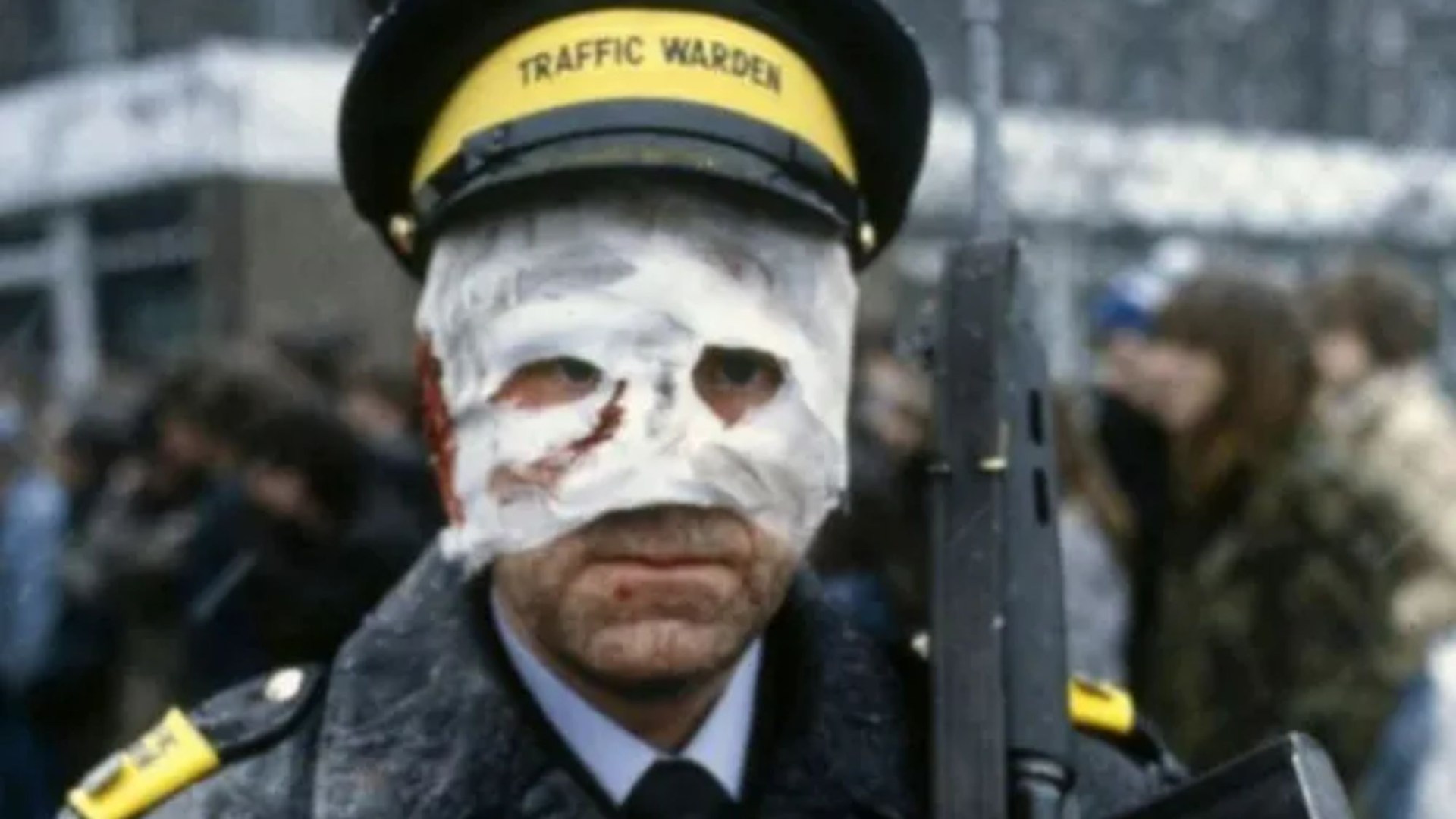
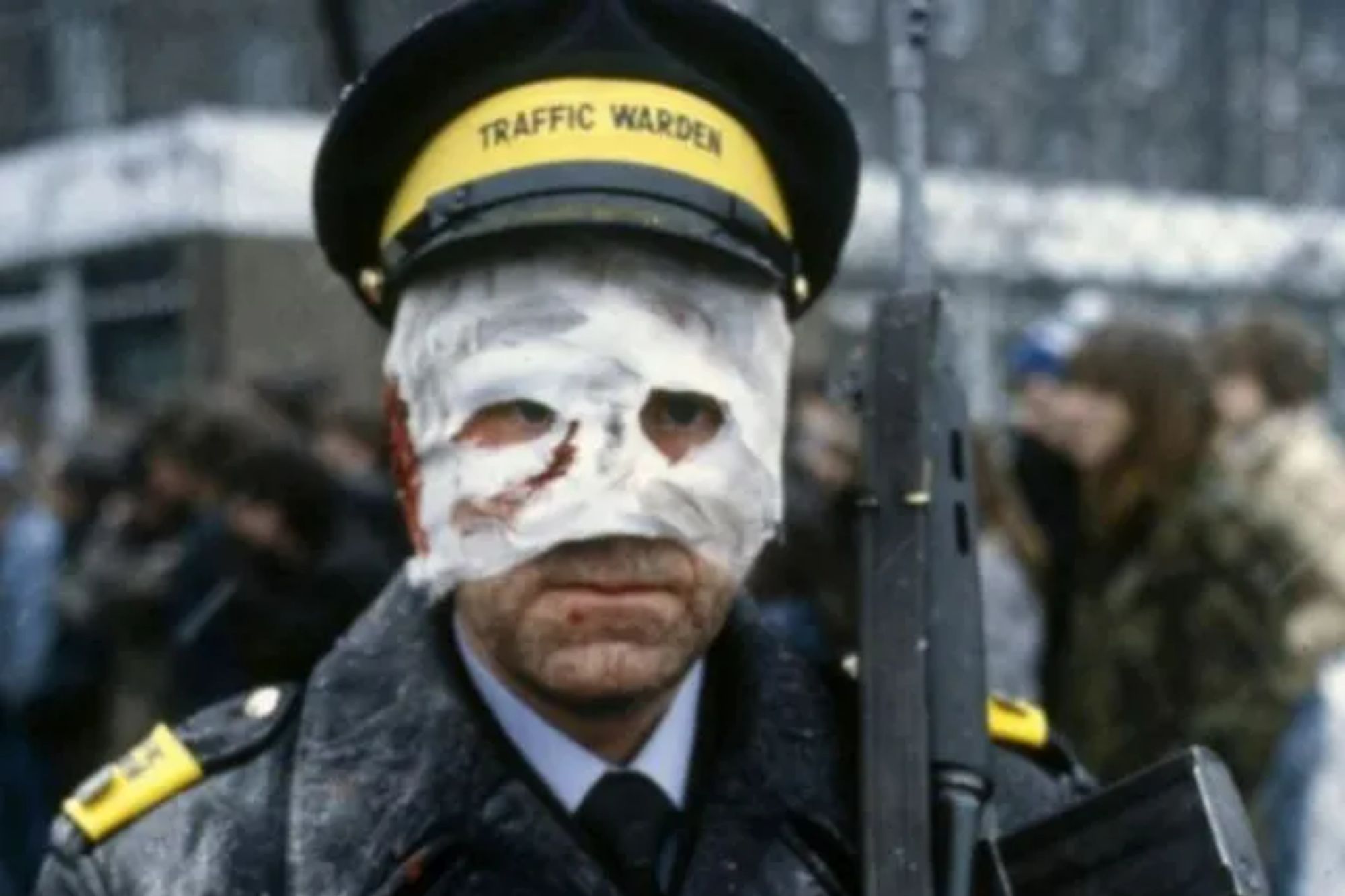
It echoes haunting war drama Threads, which is widely regarded as one of the most terrifying programmes ever broadcast.
First aired against the backdrop of the Cold War in 1984 – and brought back to screens last year – the drama displayed an unflinching portrayal of a nuclear attack on Sheffield and the horrific years that follow.
Today, facing repeated nuclear threats from the world’s tyrants, military planners across the world are preparing for nuclear Armageddon in great detail – although it remains unlikely the UK will be the victim of an attack.
The former Nato planner told The Sun: “The fallout of a nuclear attack from Putin would throw the international order into disarray and send Britain spiralling into panic and confusion.
“If the strike were to take out most of the political establishment, we could see things like vigilante mob rule take over while our health services are crippled by a wave of those who manage to survive.”
Illustrating a harrowing vision of the apocalypse – including feudal warlords and survival farms – Ingram details the first day of an attack ordered by Russian tyrant Vladimir Putin, and the nightmare that would unfold…
Day One: Ground Zero
Britain has just a quarter of an hour’s warning before the modern-day 300-kiloton nuke from a threat like Russia detonates – an explosion equal to several hundred kilotons of TNT.
As the nuke strikes Westminster, hundreds of thousands are instantly killed – many evaporated into ash by the sheer heat of the radioactive burst.
The warhead’s huge mushroom cloud towers over the capital as a mammoth fireball engulfs everything in its path while lighting up the sky with a blinding beam.
In less than 10 seconds, everything from skyscrapers and sheds to car parks and apartments are gutted – the majority blown to smithereens.
There are limited nuclear bunkers in London, and only a slither of its nine million residents are close enough to scramble to shelter after getting the minutes-long heads-up.
Those running to the London Underground will not survive either, with tube stations not deep or strong enough to withstand the radioactive contamination.
If the prime minister were visiting a primary school or speaking at a conference, it is possible he would not survive the blast.
In the event that most MPs are in parliament for PMQs or a key vote, it could see many of them wiped out in an instant.
But in any case, high-ranking ministers and military figures rush to the secret doomsday room under the Ministry of Defence in Whitehall.
The £126million nuclear bunker lies 200ft beneath the ground, can hold up to 400 people and allows those inside to communicate with the outside world.
Dubbed Pindar, the three-storey safehouse stretches deeper than London’s tube system and is believed to have tunnels linking it to Downing Street and the Cabinet Office.
Day Two: Britain Reeling
But despite these measures, the first couple days of the fallout sees the country plunged into chaos.
The UK’s nuclear protocol, which lacks planning for what happens in the days and weeks after such a strike, is of little help to desperate surviving ministers.
The day one playbook has fallen from its rigorous Cold War standards.
After the initial horror and bloodcurdling panic, the country starts to take on a new demographic shape.
Populations flood up north, seeking to escape the radioactive haze chasing them out of the capital.
Healthcare services in major cities such as Manchester and Birmingham become completely overwhelmed.
Wards spill into corridors and sick people fill out sports halls and churches.
Many infected by the lurking radiation die out on the streets without sufficient medical help.
And as scores of survivors flock to cities in search of shelter, many start to build their own settlements.
Week One: Feudal Warlords
On the outskirts of London, those fleeing the capital set up their own survival units.
Private armies seek to assert their dominance as the power vacuum grows larger without central governance.
Vigilante mob rule ensues with the strongest parties taking control of various swathes of territory, setting up fallout farms in the process.
Other stragglers plant crops on any available land.
This could include car parks, central reservations on roads, and any space which has escaped the consequences of the terrifying bomb.
The most popular vegetables among survivors are potatoes, carrots and parsnips – anything easy to grow.
Several groups then look to control other plantations – setting up the prospect of gang war between different factions.
Some groups even start to form based on religious belief, with churches, mosques and synagogues alike becoming hubs for desperate believers.
Other fervent devotees set up cults as people try to piece together the nature of such a cataclysmic event.
Week Three: Utter Chaos
In the north, as local authorities struggle to maintain control, riots and looting become commonplace as citizens are impacted by the evisceration of London.
Supermarkets are raided for fear of another nuclear strike, while people in the streets break into homes and take valuable resources.
Local police forces crumble under the overwhelming pressure of mob rule.
On the south coast of England, people fleeing the country look to get away from the radioactive zone as soon as possible – in some cases by boat.
Scores of Brits line up to leave UK soil, with many crossing the Channel to France in hopes of a better life.
Those running from the radiation leave behind pets, including dogs that end up suffering the consequences of nuclear fallout.
Mirroring scenes in the aftermath of the Chernobyl disaster in 1986, contaminated animals roam the land before dying out.
The only life left in the British capital is those quick enough to reach any of London’s nuclear bunkers, as well as some insects, such as cockroaches.
International response
Although Nato say they are committed to respond on a collective front, in reality they react on a country-by-country basis.
And off the back of Donald Trump‘s increasingly isolationist geopolitical stance, the US tries to negotiate itself out of the spiralling conflict.
The 400 or so government ministers left in London attempt to hurry Nato to invoke Article 5, in which an attack against one member country is considered an attack against all.
But discussions and negotiations last weeks and even months for some countries before a coherent response is created.
Although humanitarian aid from across the world would pour in following a nuclear attack, devastation and suffering would be widespread.
With Britain left as a hollow shell of what it once was, the rest of the nation would descend into anarchy as authorities rush to calm the panic.
Failing to prepare for an apocalyptic scenario will result in pandemonium tearing through the streets if such an attack were to take place.
With relations between Russia and the UK having soured to an all-time low, we must be prepared for the worst-case scenario – no matter how far-fetched it sounds.