This article is taken from the February 2026 issue of The Critic. To get the full magazine why not subscribe? Get five issues for just £25.
Hajar Abdelkader’s first match in a professional tennis tournament — and, one suspects, her last — was surprisingly drawn out considering she won only one point from hitting the ball. The 21-year-old Egyptian, given a wild card for a competition in Nairobi, lost 6-0, 6-0 to the world number 1,026 this month in a match that took 37 minutes.
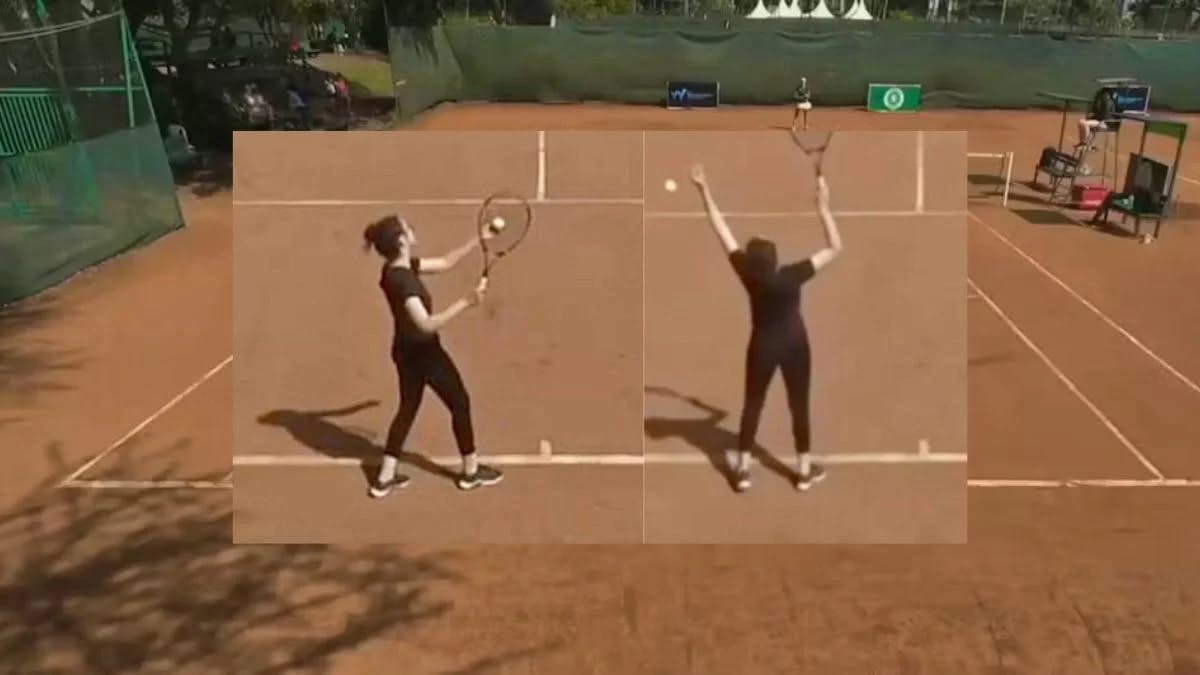
Abdelkader hit 20 double-faults against Germany’s Lorena Schaedel, who had two of her own and gave away a third point with an unforced error, perhaps from surprise that her opponent had got the ball across the net. The footage went viral and the organisers admitted they had only given Abdelkader a spare place in the draw because she asked so nicely, assuring them that she could play.
At least she arrived with a racket, even if she barely knew how to hold it. When John Boland entered the first Olympic tennis tournament in 1896, he didn’t have any kit. The Irishman was visiting a friend in Athens who was a member of the organising committee and talked him into making up the numbers. Boland borrowed some whites and a racket, though played in his own leather shoes, and came out with two gold medals. This says little for the quality of the field, which was largely Greek.
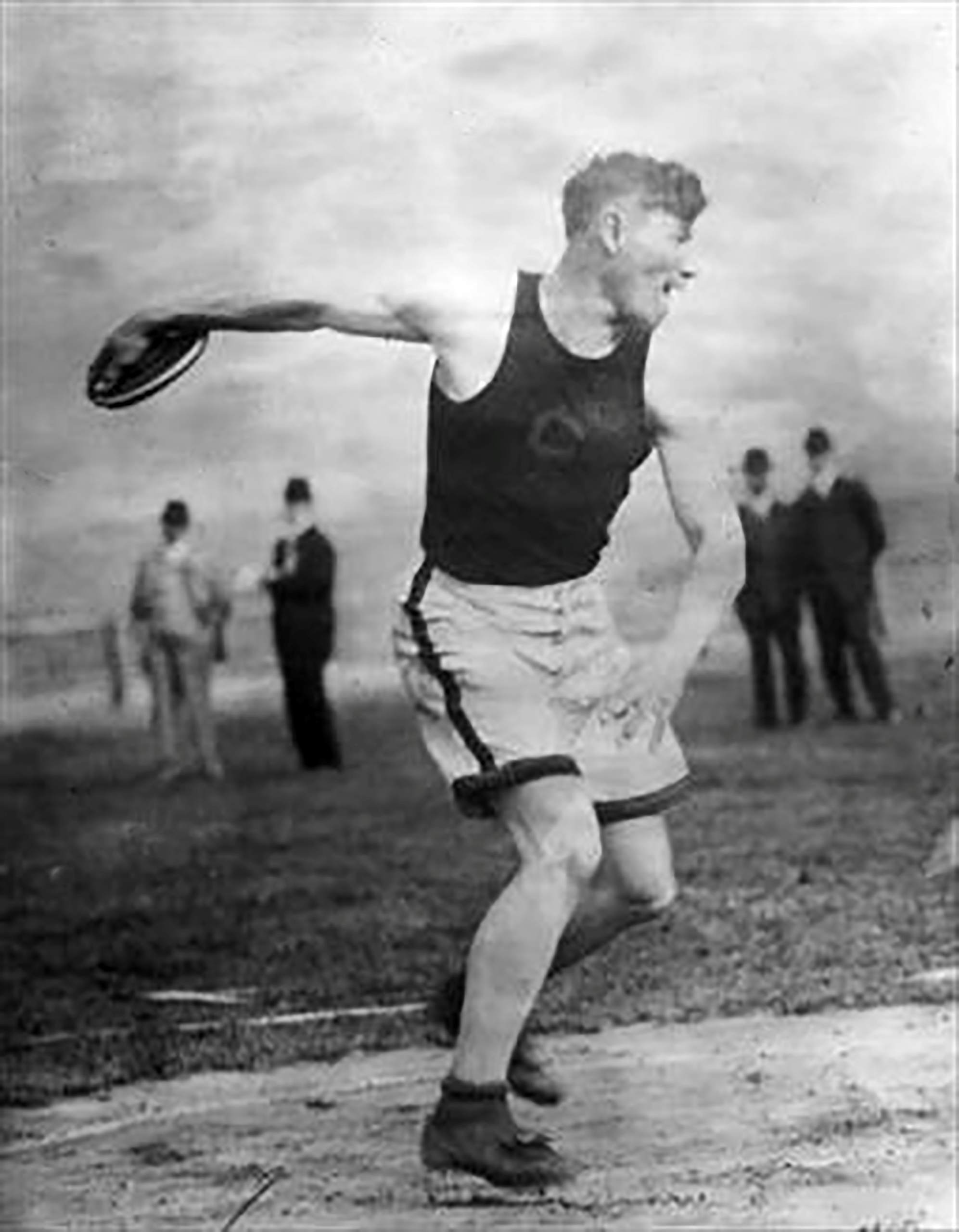
Boland never entered Wimbledon nor played another tennis tournament of note. Neither did George Robertson, who won bronze in the doubles without winning a match after getting a bye into the semi-finals. Robertson had seen a travel agent’s advert for the Olympics and decided to give it a go, reckoning that his Gaisford Prize for Greek verse composition at Oxford was as good a qualification as any. He also entered the discus, where he came last of those whose distance was recorded, but received a laurel wreath and high praise from the King of the Hellenes for composing a Pindaric ode in ancient Greek. Talk about playing to your strengths.
Boland and Robertson differed from those plucky Olympic heroes a century later who were rubbish compared to their opponents but had earned a place as the best in their country. People such as Eddie “The Eagle” Edwards, Cheltenham’s finest ski jumper, and Eric “The Eel” Moussambani, from Equatorial Guinea, swimmer of the Olympics’ slowest-ever 100 metres. And who can forget Rachael “Raygun” Gunn, the Australian breakdancer whose bizarre kangaroo hops failed to wow the judges in 2024?
Abdelkader is a long way from the Olympics. She falls into the category of athletes who talked their way into playing at a much higher level than their ability. Ali Dia, a Senegalese footballer, had played 20 matches for nine football clubs over eight years before Graeme Souness signed him to play for Southampton in the Premier League in 1996. The manager was persuaded by a phone call supposedly from Liberia’s George Weah, the Fifa World Player of the Year, who told him that Dia was his cousin and would be a great catch. It was good enough for Souness — but a hoax.
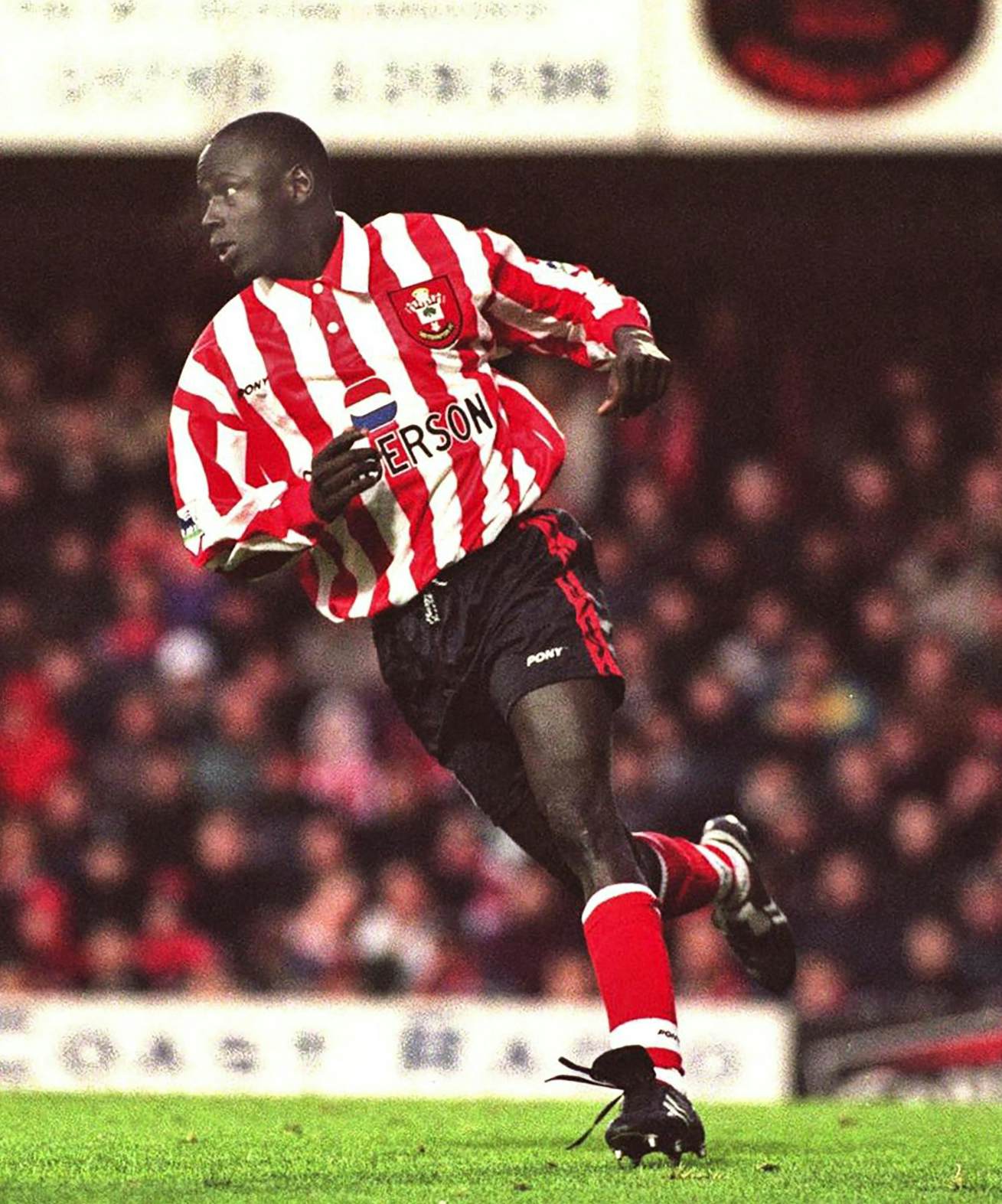
Dia, whose previous match had been a non-league game for Blyth Spartans, came on for Matt Le Tissier in the first half against Leeds United and, according to the man he replaced, “ran around like Bambi on ice”. He never played for the club again and finished his footballing career a year later with the mighty Spennymoor Town.
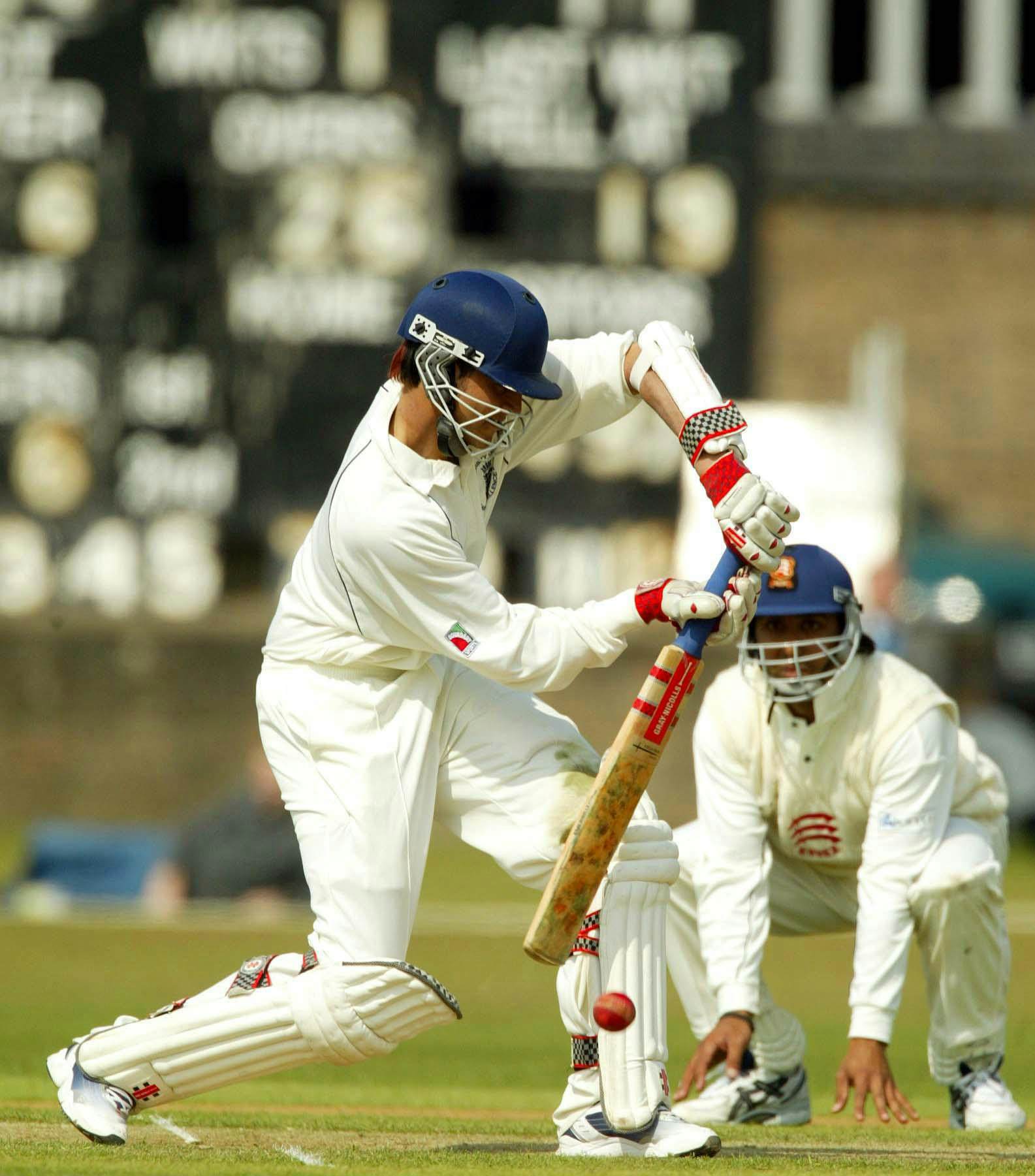
In 2011, Adrian Shankar secured a county contract with Worcestershire after telling them he’d had a prolific first-class winter in Sri Lanka. No one thought to check. He also claimed to have been in Arsenal’s academy and knocked three years off his age. In fairness, Shankar had played for Cambridge University (far left), making a century against a weak Oxford attack, but that was nine years earlier, when according to his new passport he was only 17. A look in Wisden would have shown he’d never played a county first XI match. After two limp innings, he was rumbled and dismissed.
Perhaps the most famous sporting hoaxer was Maurice Flitcroft, a 45-year-old crane driver who entered qualifying for the 1976 Open Championship with a half set of golf clubs, having never played 18 holes before. Lacking a handicap certificate to show that he was a good amateur, he simply told them he was a professional. Flitcroft went round in 121, 49 over par. Told by a newspaper how many more shots her son had taken than anyone else, his mother sweetly asked: “Does this mean he’s won?”
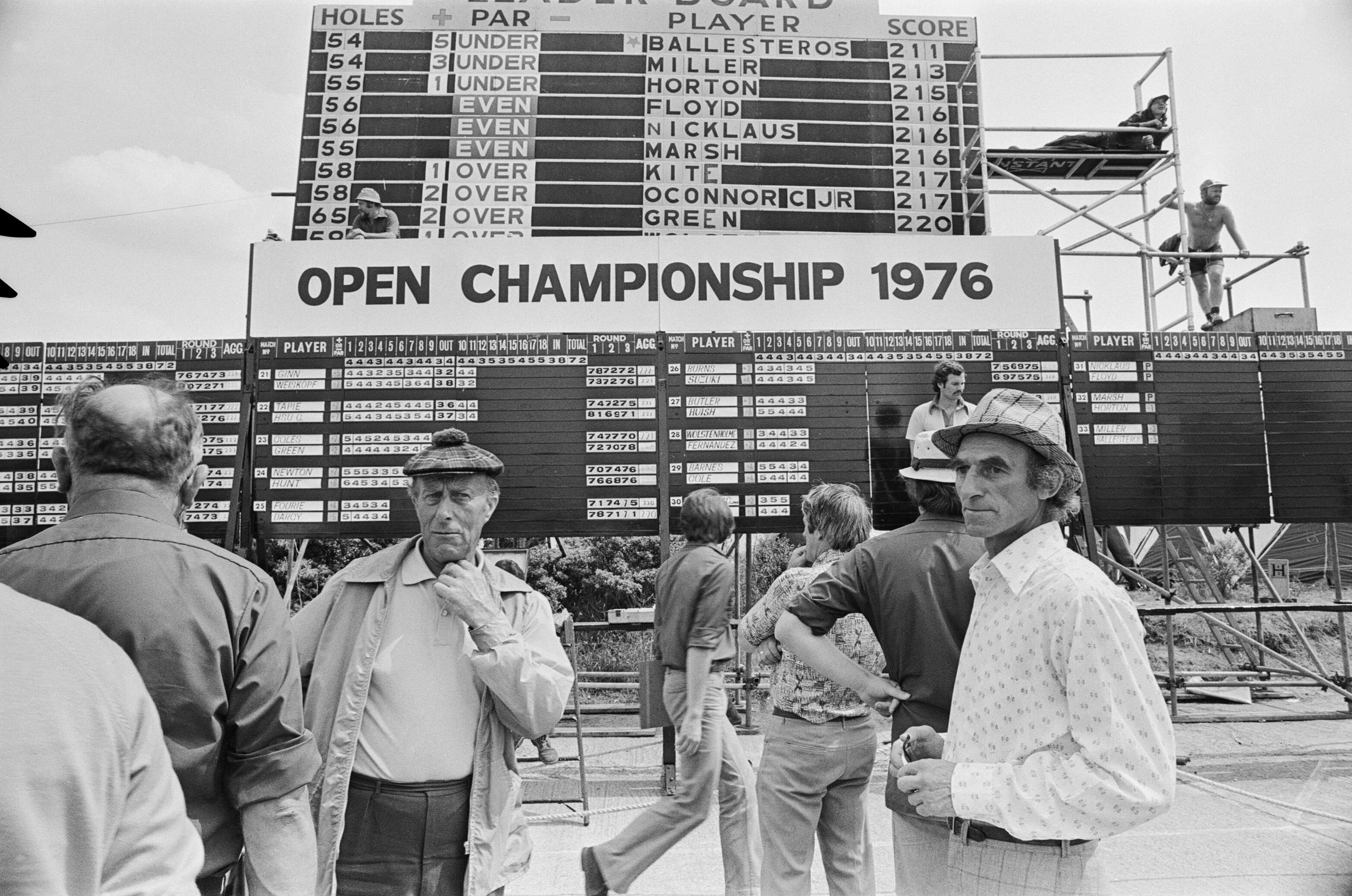
Two years later, Flitcroft tried again, using a fake moustache and the name Gene Paceki, pronounced “pay-chequey”. My father, who was a professional golfer, was in the bar after his round when a friend came in roaring with laughter. “You’ve got to watch this guy,” he said. They found Flitcroft hacking his way down the 4th fairway. As he was thrown off the course, Dad heard someone ask why he was trying to qualify for the Open with such little ability. With utter charm, Flitcroft replied: “I was just too late for Wimbledon.” A film was made of his life in 2021.
Some will scorn these frauds for wasting everyone’s time. I salute them for having the balls to give it a go. If Liz Truss can bluff her way into being prime minister, why shouldn’t Abdelkader follow her dream, if just for 37 minutes? They also wait who only stand and serve: into the net again and again.