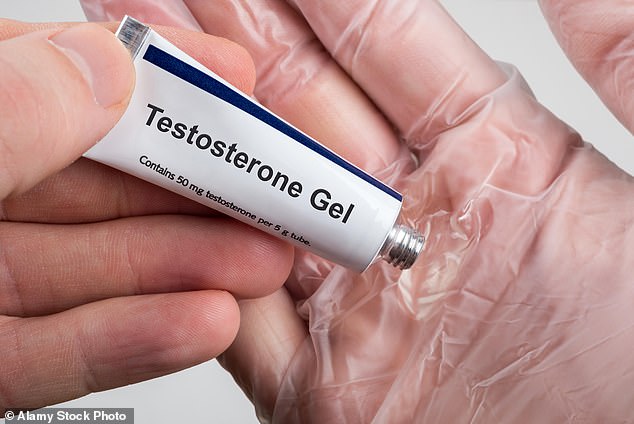
Scientists say testosterone replacement therapy, known as TRT, could provide ‘rapid and sustained’ improvements in men’s sexual performance, energy, and mood.
Testosterone is the male sex hormone that controls everything from sexual performance to muscle growth, but millions of men are living with sub-optimal levels.
In a new study, published in The World Journal of Men’s Health, scientists from Harvard University analysed how over 9,500 men with low testosterone responded to TRT.
They found that supplementing testosterone led to significant improvements across all quality of life measures assessed, including: energy levels, strength and endurance, life enjoyment, happiness, erection strength, work performance, and sporting ability.
Improvements were noticeable as early as two months after starting treatment and were similar for all men, regardless of baseline testosterone levels.
Dr Jeff Foster, director of men’s health at Voy, the largest digital provider of TRT, said: ‘Our results give one of the clearest pictures to date of how TRT performs across thousands of men and a wide range of treatment approaches.
‘When testosterone levels fall too low men can experience fatigue, low mood, weight gain, reduced libido, erectile dysfunction, and poor concentration, amongst other symptoms.’
According to the NHS, some men will also develop depression when they reach their late 40s and testosterone levels start to fall.
One of the biggest factors driving low testosterone is rising levels of obesity
Other symptoms include fat redistribution, such as developing a large belly or man boobs, difficulty sleeping and loss of muscle mass.
Dr Foster added that the results ‘reinforce the importance’ of treating patients’ individual circumstances, and not just solely relying on blood tests.
He said: ‘Treatment guidelines should take into account a man’s age and symptom severity alongside their specific testosterone profile to ensure the best possible results and minimise misuse.’
According to the latest research, men experience around a 1 per cent drop in testosterone levels a year from around the age of 30 to 40-years-old.
And whilst this is unlikely to cause any problems in itself, low levels can increase the risk of a number of serious health problems including heart disease, osteoporosis, infertility and is linked to a 40 per cent increased risk of early death.
Health professionals have long warned that many men remain undiagnosed due to a lack of knowledge and willing to discuss hormone issues.
Part of the reason it goes undetected is because the symptoms can mimic other problems.
The most common relate to sexual dysfunction – unsurprising given the leading role testosterone plays in the male libido. This might include problems getting or maintaining an erection, producing less semen, or a reduced sex drive.

Former Take That singer Robbie Williams has hailed the treatment for propping up his flagging libido and restoring energy levels
These problems can then have a knock on effect, causing issues at work and ruining relationships. But, experts say, it’s too often dismissed as depression or stress.
Dr Abraham Morgentaler, the university’s leading testosterone researcher added: ‘This study provides confirmation of something important that clinicians have been aware of for at least 20 years: testosterone-deficient men benefit substantially from TRT, including their enjoyment of life.’
Former Take That singer Robbie Williams and Happy Mondays star Shaun Ryder have both hailed the treatment for propping up their flagging libidos and restoring energy levels.
If a doctor is concerned about a man’s testosterone levels, they will usually order a blood test – with ‘normal’ levels typically ranging from 8-31 nanomoles per litre of blood, depending on age and existing health status.
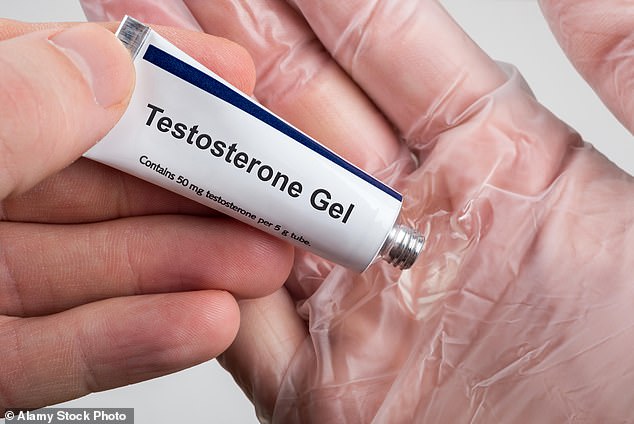
Whilst most GPs will err on the side of caution, if a hormone specialist agrees that they have a testosterone deficiency, they may be offered TRT to relieve symptoms, in the form of an injection or gel.
Dr David Huang, director of clinical Innovation at voy and study co-author, concluded: ‘With so much confusion around testosterone replacement therapy our job is to bring clarity.
‘We’re helping shift clinical guidance towards a more personalised approach where a man’s quality of life should be considered alongside numbers and blood test results when making decisions about treatment.’
What causes testosterone levels to dramatically fall in later life – known as late-onset hypogonadism – is complex and can be triggered by a number of factors, and not all of them need to be treated with TRT.
For most, it’s part of ageing, with lifestyle and genetics playing a significant role in how quickly levels reduce.
But, experts warn, obesity and diabetes are also partly to blame for the rise in falling testosterone levels.
A build-up of fat, caused by poor diets and sedentary lifestyles, results in the break-down of testosterone which is eventually turned into oestrogen in the body – a female sex hormone – resulting in lower libido, erectile dysfunction and weight gain.
But research shows simply losing weight can boost levels, without the need for TRT.
Drugs like antidepressants and the forever chemicals used in plastics have also been blamed.
However there are also concerns that healthy men who don’t need added testosterone are seeking out TRT to boost their performance and improve their physique.
This the experts warn can be seriously dangerous, switching off natural testosterone production and increasing the risk of infertility, shrunken testicles and heart problems.
Instead, health care professionals may suggest making some lifestyle changes to help relieve symptoms naturally, such as weight training, cutting back on alcohol and prioritising sleep.
A study published in the journal Andrology found that men over the age of 40 who slept for less than seven or eight hours a night had lower testosterone levels than their peers who consistently hit their sleep goals.
Performing aerobic exercises for around an hour and a half three times a week has also been shown to boost testosterone levels in just three months.