The NHS is teaching midwives the ‘benefits’ of cousin marriage despite it increasing the risk of birth defects, The Mail on Sunday can reveal.
New guidance says concerns about the risks of congenital diseases are ‘exaggerated’ and ‘unwarranted’ on the grounds that ’85 to 90 per cent of cousin couples do not have affected children’. The national average rate for unaffected children is 98 per cent.
Admitting there are some ‘risks to child health associated with close relative marriage’, the guidance says these should ‘be balanced against the potential benefits… from this marriage practice’.
And marrying a relative – fairly common in the Pakistani community – can offer ‘economic benefits’ as well as ’emotional and social connections’ and ‘social capital’, the document says.
It adds that staff should not ‘stigmatise’ predominantly South Asian or Muslim patients who have a baby with their cousin, because the practice is ‘perfectly normal’ in some cultures.
Critics have accused the NHS of turning a blind eye to an ‘indefensible cultural practice’.
Richard Holden, a Tory MP campaigning to ban cousin marriage, said: ‘There are no benefits to marriage between first cousins, only massive downsides for health, welfare, individual rights and the cohesiveness of our society.’
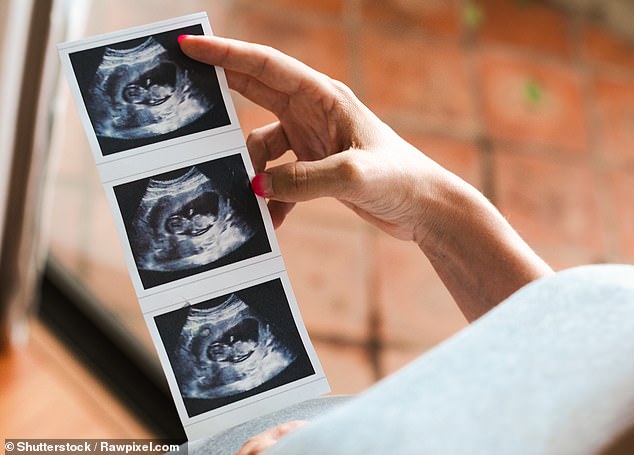
The NHS has come under fire for teaching midwives the ‘benefits’ of cousin marriage despite it increasing the risk of birth defects (Stock image)

Close relative marriages remain particularly common in the Asian community (Stock image)
Oxford professor and director of the Pharos Foundation research institute, Patrick Nash, said: ‘This is on a par with recommending alcohol and smoking during pregnancy for their calming effects, while brushing over the absolutely horrendous consequences for mother and child.
‘There is no justification or excuse for this at all. Shame on the authors and shame on the Government for refusing to ban this indefensible cultural practice.’
The guidance was produced as part of NHS England’s Maternity Transformation Programme which aims to halve the number of stillbirths, neonatal and maternal deaths and brain injuries by 2030.
The document, used as training for midwives, states that ‘discouraging cousin marriage is inappropriate’ and would be ‘alienating and ineffective’.
It adds: ‘The increased risk of genetic conditions among the offspring of close relative couples has often been exaggerated . . . leading to individuals feeling shamed and blamed.’
The guide says, ’85 to 90 per cent of cousin couples do not have affected children’, and adds: ‘Pakistani women in cousin marriages have been found to compare favourably to those in non-relative marriages’.
It argues that ‘marriage within the family can provide financial and social security at the individual, family and wider kinship levels’. The risk, says the guide, are ‘exaggerated’ and there has been an ‘unwarranted, narrow focus on close relative marriage’.
Professor of Economic Psychology at the London School of Economics, Michael Muthukrishna, said: ‘When marriage is restricted to family members, communities become more isolated, limiting social integration. This isolation is what has allowed for over-representation of radicalisation and grooming gangs.

Richard Holden, who is campaigning to ban cousin marriage, said the act would have ‘massive downsides for health, welfare, individual rights and the cohesiveness of our society
‘Normalising cousin marriage doesn’t help mothers nor babies affected by the well-documented health risks of repeated inbreeding.’
The Mail on Sunday has previously found areas in the UK with cousin marriage are significantly more likely to claim benefits – owing to the higher levels of birth defects.
Last year, the Daily Mail revealed the deaths of more than two children a week in England are linked to their parents being closely related.
Figures show that up to 20 per cent of the children treated for congenital problems in cities such as Glasgow and Birmingham are of Pakistani descent, compared with 4 per cent in the wider population – and treating these problems costs the NHS billions.
An NHS spokesperson said: ‘The NHS absolutely recognises the genetic risks of consanguineous relationships, and where people consider entering into them we offer referral to genetics services so individuals understand the risks and can make informed decisions.’