IF you’re noticing more strands coming out on your brush than usual, it likely has an easy explanation – from vitamin deficiencies and stress to the dreaded ‘autumn shed’.
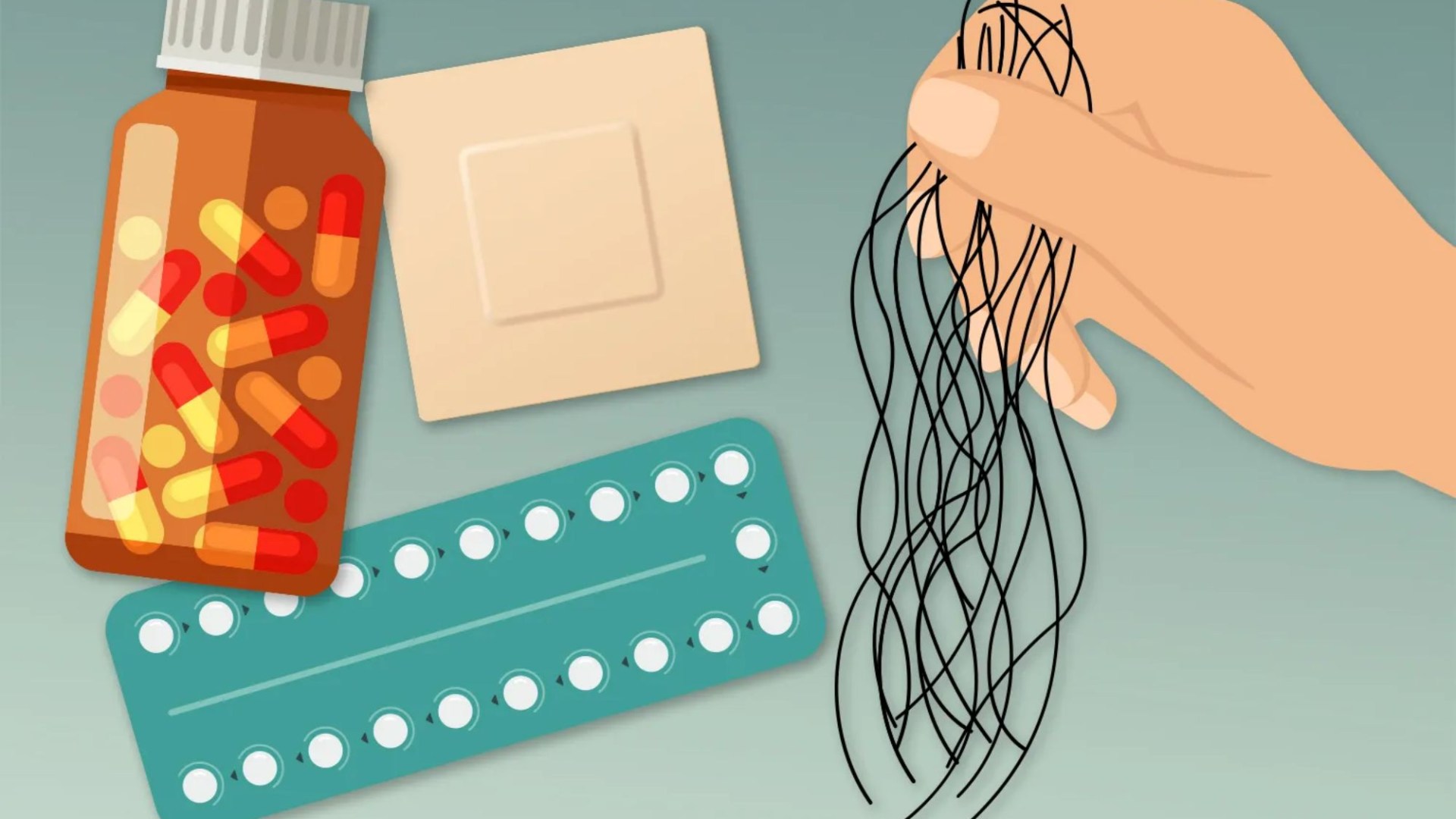
But in some cases, your daily meds could be the cause of hair loss.
Though drugs are designed to treat a variety of health conditions, sometimes they can have unwanted side effects.
Ayesha Bashir, prescribing pharmacist and hair loss expert at Chemist4U explains why that might be.
He tells Sun Health: “Most medications that have a side effect of hair loss do so because they interrupt the natural growth cycle of your hair.
“Hair grows in phases – active growth, rest, and shedding – and some medicines can push more hairs than usual into the shedding phase at once.
“This type of loss, called ‘telogen effluvium’, usually appears a few months after starting treatment.
“Other drugs can affect hormone balance, nutrient absorption, or blood flow to your scalp, which can all impact how well your hair grows.”
These medications can range from antidepressants, to hormone replacement therapy and the contraceptive pill.
“The good news is that this type of hair loss is usually temporary; once your body adjusts to the medication, or the medication is stopped, hair typically regrows,” Ayesha adds.
But if you think your meds might be causing hair loss, you shouldn’t stop taking them without medical supervision.
“If you’re worried that certain medications may be causing hair loss, speak to your GP or pharmacist before making any changes,” Ayesha stresses.
“They will be able to check if your medication could be contributing and prescribe alternatives.
“If the medication is the likely cause, switching to a different option often helps, but it can take some time.
“Once the medication has finished, you’ll usually start to see improvement within three to six months, as your hair growth cycle rests.”
1. Acne treatments
If you’re on acne treatments, especially those high in vitamin A, they can cause hair loss as they disrupt the hair growth cycle.
High doses can push hair follicles into the resting phase, causing temporary shedding.
Topical creams that include ingredients like retinol, benzoyl peroxide and salicylic acid can cause scalp irritation, which can contribute to hair loss.
If you’re using acne treatment and noticing your hair looking thinner than usual, discuss concerns with a GP, pharmacist, or dermatologist before starting or adjusting your treatment.
They can help tailor treatment to your skin and hair so you don’t experience any unwanted side effects.
2. Beta blockers
Beta-blockers slow down the heart and are used to treat chest pain, heart failure, irregular heart beats and high blood pressure.
They can also be prescribed to treat anxiety.
This class of drug can also cause hair loss by disrupting your hair growth cycle and pushing more follicles into the resting phase early.
If you’re on them, you may notice visible shedding after a few months of taking beta blockers.
This is usually temporary and reversible once you stop taking the medication, or your dosage is adjusted.
3. ACE inhibitors
ACE inhibitors can occasionally affect your blood flow and disrupt your hair growth cycle, causing hair loss.
They are commonly used to treat heart failure and high blood pressure and are often prescribed to people following a heart attack.
By relaxing your blood vessels to lower your blood pressure, they may reduce blood supply to your hair follicles.
This limits oxygen and nutrients, which are essential to keeping hair growth healthy.
4. Antidepressants
Some antidepressants can lead to hair thinning by interfering with its natural growth cycle.
Hair loss may appear a few months after starting or adjusting your dose.
Again, the shedding is usually temporary.
Your mental health might also have something to do with your hair loss, as stress can be a cause.
5. Contraceptive pill
Contraceptive pills, like Loestrin and Microgestin, can cause hair loss by changing your hormone levels.
Hormonal changes from the drugs can place stress on the hair follicles and accelerate the hair growth cycle, causing more hairs to shed early.
Research from Kings College London also links the pill to a particular form of scarring hair loss, in people with specific gene mutations.
Though some people taking the pill might notice hair loss while they’re on it, others may notice shedding after coming off it.
6. HRT
HRT can lead to hair thinning due to the types of hormones used, such as synthetic progestins or testosterone.
These may cause androgenic effects – meaning they influence the body in the way male hormones might – and affect hair growth.
Fluctuations in hormone levels from starting or adjusting HRT dosages can also have an effect.
But the impact of HRT can vary depending on the type of treatment you take and your own genetics – some women may notice their hair seems fuller.
But hormones, like oestrogen, are generally less likely to cause hair loss, while those like testosterone can accelerate thinning.
Tips to manage and prevent hair loss
If you’re experiencing hair loss, it’s worth thinking about habits that may be affecting the health of your locks.
Gentle hair care makes a big difference, so it’s important to avoid using too much heat, tight hairstyles, or chemical treatments while your hair is recovering.
Using mild, sulphate free nourishing shampoos and keeping your scalp clean and hydrated can also help with new hair growth.
Your hair washing routine is also key, so it’s important to strike a balance.
Over washing can strip the scalp of natural oils, washing infrequently can have the opposite effect and lead to build-up that may block hair follicles, increase inflammation, and cause excess shedding.
And watch how much dry shampoo you’re using.
Silent health conditions causing hair loss
Losing your hair is not usually anything to be worried about, but it can be upsetting.
We can lose between 50 and 100 hairs a day, often without noticing.
Hair loss is not usually anything to be worried about, but occasionally it can be a sign of a medical condition.
Some types of hair loss are permanent, like male and female pattern baldness. This type of hair loss usually runs in the family.
Other types of hair loss may be temporary. They can be caused by:
- An illness
- Stress
- Cancer treatment
- Weight loss
- Iron deficiency
See a GP if you’re worried about your hair loss.
They may be able to tell you what’s causing it or suggest treatments.
Ayesha says: “Thyroid disorders are one of the most common causes.
“Both overactive and underactive thyroid can disrupt the hair growth cycle and cause diffuse thinning across your scalp.
“Low iron or vitamin D levels can also lead to shedding, as your hair needs both to grow and repair properly.
“Autoimmune conditions like alopecia areata, where your immune system mistakenly attacks hair follicles, can cause small, round bald patches, while hormonal changes linked to polycystic ovary syndrome (PCOS) or menopause can also trigger thinning.
“It typically affects 85 per cent and 40 per cent of women by the age of 50.
“In each case, treating the underlying condition usually helps hair growth recover, so it’s always worth checking in with your GP or pharmacist if you notice persistent or unexplained hair loss.”
While convenient between washes, spraying it on too often can cause the powder to build up on your scalp.
Aim to wash your hair every three days to maintain a healthy balance, Ayesha says.
Take a look at what you’re eating too, she adds.
“A balanced diet rich in iron, protein, zinc, and Vitamin D is key, as these nutrients help keep your hair follicles healthy and encourage regrowth,” she says.
“If blood tests show a deficiency, supplements can help.
“However, supplements aren’t always necessary, and taking high doses ‘just in case’ can sometimes make things worse.
“Lifestyle factors like good sleep, hydration, and managing stress all help your body bounce back faster.
“In most cases, hair regrowth happens naturally once the underlying cause or medication side effect settles.
“Always double check any leaflet you’re given with new medication.
“It’s important that you’re aware of any side effects that you could suffer from, and what to expect when initially starting a prescription.
“If you’re unsure, ask your GP.”