ONE of Britain’s biggest energy providers told their customers that the cost of charging electric vehicles (EV) is set to rise.
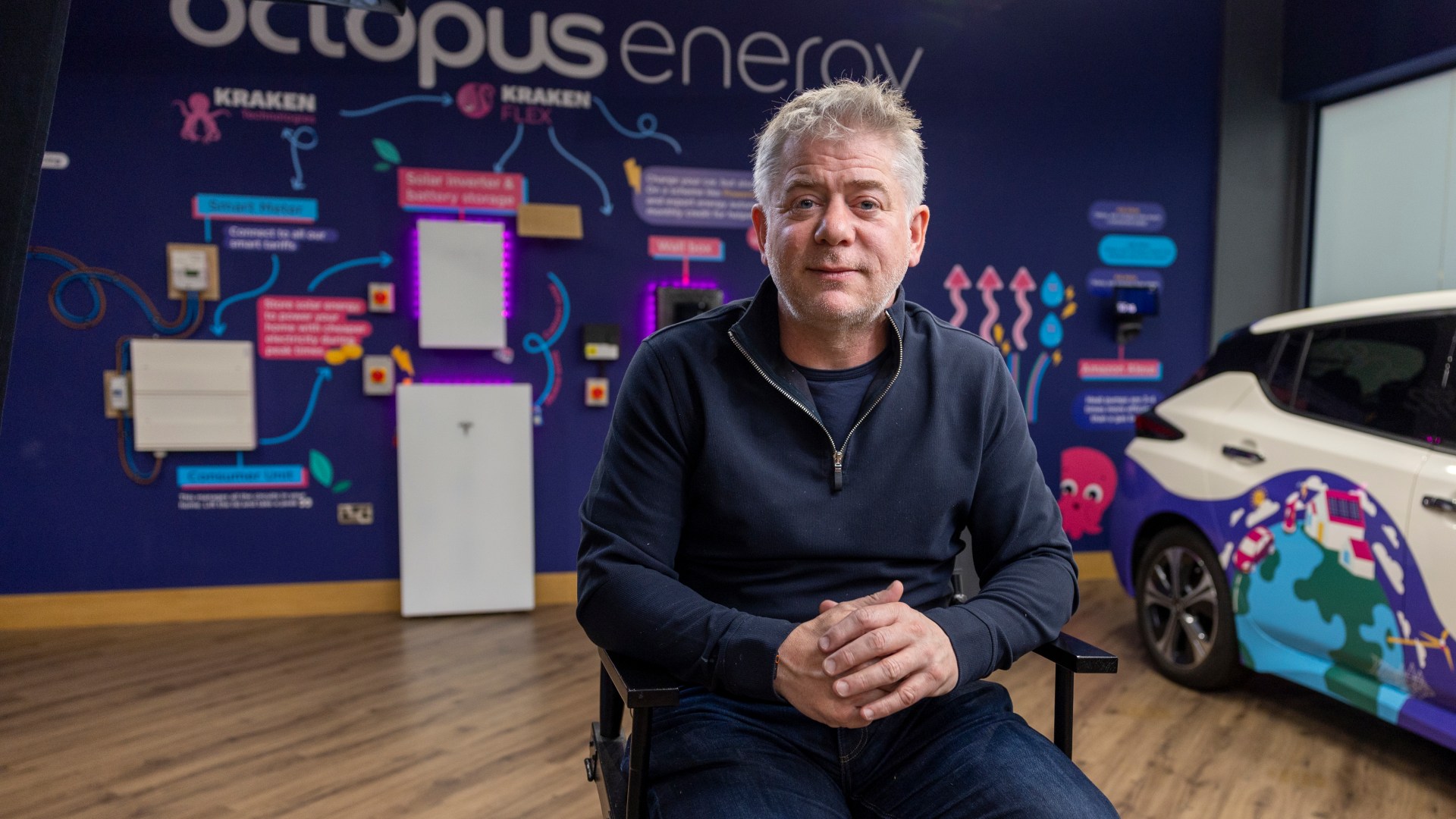
Octopus Energy informed their customers via email that it will restrict its price cut on their EV tariff from 2026, costing eco-friendly drivers hundreds of pounds annually.
Used by more than 260,000 drivers, Octopus’ Intelligent Go tariff is one of the most popular EV plans in Britain.
The plan significantly cuts the cost of running an EV by allowing motorists cheaper household energy when charging their car.
However, discounted electricity will now be limited to just six hours a day from January 2026.
This could more than double the costs of fully charging cars with large batteries that can take more than 10 hours to charge.


This is likely to drive up customers’ energy bills as customers will have to pay peak rates around four times higher if they want to charge their car for a longer period.
Although, Octopus explained that four in five charging sessions on the tariff already take six hours or less, suggesting it wouldn’t effect majority of customers.
This tariff change comes after Ovo, a rival energy supplier, doubled their EV charging prices earlier this year.
Tariffs like that of Octopus Energy makes running electric cars cheaper than buying petrol and became a key selling point when encouraging people to switch to EVs.
Plus, public charging points cost almost four times more than charging cars at home, which also made the tariffs an attractive option for green motorists.
However, with the government’s newly introduced pay-per-mile tax (a levy that forces EV drivers to pay 3p a mile from 2028 costing drivers an extra £255 each year) and rising household electricity prices, EV owners are certainly feeling the pinch.
Altogether this threatens to slow the rise of EV sales with the Office for Budget Responsibility saying the policy will cut sales by 440,000 over the next five years.
With almost eight million Octopus Energy customers, many went online to vent their frustrations.
On social media, one customer said: “Pay per mile tax, now this… I thought they wanted us to change to EV?”
The energy company made the change due to some customers slowing down the rate of their EV charges in order to enjoy cheaper energy for the rest of their home.
Online, some customers expressed their frustrations at the prospect of more expensive electricity bills.
“Lots of people were exploiting the system to get dirt-cheap electricity around the house, so this is Octopus closing the loophole,” one said.
Another added: “This is what happens when people take the piss. They spoil it for everyone.”
An Octopus spokesman told The Telegraph that the changes “make sure the tariff continues to offer great value for everyone” and were not linked to wider energy market conditions nor an attempt to move drivers to other tariffs.